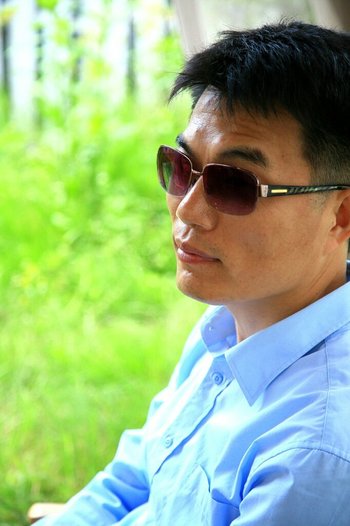
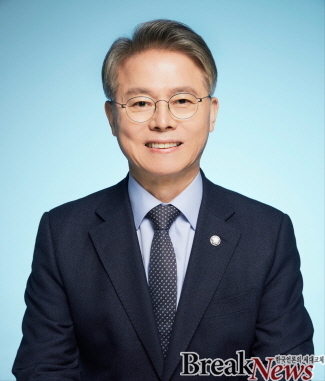
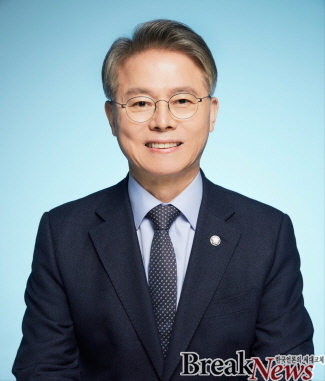
▲ 필자/김정기 "대한민국과 세계 이야기 (도서출판 책미듬)"의 저자. ©브레이크뉴스 |
한국에는 지도자가 없다. 우리는 습관처럼 정치인은 3류라고 말한다. 그러나 그 말은 절반만 맞다. 정치인이 3류라면, 그 정치인을 뽑아내고 소비하며 조롱하는 시민사회도 그 수준을 벗어나지 못한다. 지도자는 하늘에서 떨어지지 않는다. 지도자는 우연히 등장하는 영웅이 아니라, 제도와 문화가 만들어낸 산물이다. 그런데 한국은 그 산물을 생산하지 못하는 나라가 아니라, 생산되기 전에 파괴하는 나라가 되어버렸다.
지금 한국에서 지도자가 나오지 않는 이유는 단순하다. 지도자는 성장하기 전에 죽기 때문이다. 검증이 아니라 사냥이 먼저다. 실수는 선거로 심판하면 된다. 정책 실패는 토론으로 따지면 된다. 그런데 우리는 정책 판단을 수사로 해석하고, 행정 결정을 범죄로 재구성한다. 정치가 사법의 언어로 해석되는 순간, 지도자는 결단할 수 없다. 결단하면 죽기 때문이다. 국정은 운영이 아니라 생존이 되고, 정치인은 지도자가 아니라 무사히 임기만 채우는 기술자로 전락한다.
정치가 지도자를 만드는 과정은 원래 거칠다. 실패도 있고 논쟁도 있다. 그러나 그 거침은 민주주의의 성장통이어야지, 형사처벌의 공포가 되어서는 안 된다. 지금 한국 정치는 잘하면 욕먹고, 못하면 수사를 받고, 결정하면 탄핵당하는 구조로 굳어졌다. 이런 구조에서 누가 책임을 지겠는가. 책임을 지는 사람은 사라지고, 책임을 피하는 사람만 남는다. 그 결과 국정은 결단이 아니라 눈치로 굴러간다.
이 파괴 구조의 두 축은 검찰과 언론이다. 검찰은 수사로 정치를 흔들고, 언론은 의혹을 확정처럼 팔아 여론으로 처형한다. 중요한 것은 진실이 아니다. 이미지는 한 번 만들어지면 되돌리기 어렵다. 무죄가 나와도 끝나지 않는다. 판결이 아니라 프레임이 정치생명을 끝낸다. 지도자를 검증하는 것이 아니라, 지도자를 만들기 전에 죽여버리는 구조다. 이런 사회에서 누가 지도자가 되려 하겠는가. 유능한 사람일수록 정치를 피한다. 들어오는 순간 인생이 끝나는 게임이기 때문이다.
물론 부패는 수사해야 한다. 권력형 비리는 단호히 처벌해야 한다. 그러나 수사가 정치의 대체물이 되는 순간, 민주주의는 기능을 멈춘다. 정책 실패는 정치가 책임져야 하고, 부패와 대가성은 형사가 다뤄야 한다. 이 경계가 무너질 때 국정은 운영이 아니라 방어가 된다.
한국의 정치는 선거가 아니라 수사 일정표에 맞춰 움직인다. 공천은 경쟁이 아니라 리스크 관리가 되고, 국정은 비전이 아니라 방어가 된다. 대통령이든 장관이든, 국회의원이든, 결단을 내리기 전에 먼저 떠올리는 것은 국가의 이익이 아니다. “이 결정이 수사 대상이 되지 않을까?” “언론이 어떻게 쓸까?” “검찰이 엮으면 끝인데?” 이것이 정치가 아니라면 무엇인가. 민주주의는 책임정치로 굴러가야 한다. 그런데 우리는 책임정치를 사법으로 분쇄하고 있다.
탄핵도 비슷하다. 탄핵은 국가의 최후 안전장치다. 대통령이 헌법을 파괴했을 때, 국가를 지키기 위해 가동되는 비상장치다. 그러나 남용되면 그것은 안전장치가 아니라 정치 무기가 된다. 한국은 탄핵을 최후 수단이 아니라 정치의 일상 도구로 만들고 있다. 탄핵이 남발되는 나라에서 권력은 결단하지 않는다. 국정은 상시 마비 상태로 들어가고, 국가 운영은 중장기 전략이 아니라 단기 생존 게임으로 추락한다. 오늘의 결정을 내일의 탄핵 카드로 되돌려치는 나라에서, 누가 국가 10년 계획을 말할 수 있겠는가.
여기에 돈의 구조가 불을 붙인다. 한국 정치는 고비용 구조다. 그러나 돈을 당당하게 모을 길은 좁다. 정치인이 합법적으로 후원금을 모으는 순간에도 돈 냄새라는 비난이 따라붙는다. 반대로 정치에 돈이 안 들어가면 무엇이 들어오는가. 음지의 돈, 거래의 돈, 줄을 타는 돈이 들어온다. 회색지대는 다시 검찰의 먹이감이 되고, 언론의 사냥감이 된다. 결국 한국 정치는 돈을 모으면 의심받고, 돈이 없으면 아무것도 못하는 기형 구조에 갇힌다. 사람을 욕하기 전에 구조를 봐야 한다. 정치는 도덕주의로 깨끗해지지 않는다. 양지의 제도로만 깨끗해진다.
그러나 마지막 책임은 국민에게도 있다. 우리는 새것을 좋아한다. 새 얼굴에 열광한다. 그러나 민주주의는 신상품 경매가 아니다. 지도자는 축적되는 자산이다. 경험이 쌓이고, 실력이 다듬어지고, 실패를 통해 성장한다. 그런데 우리는 4년마다 국회의원의 절반을 갈아치운다. 정치가 축적되기 전에 단절된다. 경륜이 쌓이기 전에 정치가 끊기고, 끊긴 자리에 다시 초보자가 들어온다. 초보자는 결단하지 못한다. 결단하는 순간 죽기 때문이다. 결국 정치는 더욱 기술자 정치로 가고, 국가는 더욱 표류한다.
우리는 인물을 보고 뽑는다고 말하지만 실제로는 정당을 보고 찍는다. 공천 권력이 후보를 만들고 유권자는 스티커를 붙인다. 유권자는 선거에서 선택하는 것이 아니라 승인만 한다. 민주주의의 신성한 권리를 스스로 포기하는 셈이다. 그리고 그 포기의 결과가 오늘의 지도자 부재다. 지도자는 선거판에서 자연발생하지 않는다. 시민이 키우고, 견디고, 기다려주고, 심판하며 만들어낸다. 그런데 한국 사회는 기다리지 않는다. 키우지 않는다. 오히려 키우기 전에 베어버린다.
더 심각한 문제는 정치인보다 시민의 판단 수준이다. 고졸자의 70%가 대학에 간다. 겉으로는 자칭 지성인의 나라다. 그러나 집단의 정치 판단은 과연 그만큼 성숙해졌는가. 내가 보기에 시민의 정치지능, 이른바 정치적 아이큐(PQ)는 두 자리 숫자에 머문다. 정치에 대한 관심은 뜨겁지만, 정치를 제대로 이해하려는 노력은 차갑다. 그래서 많은 시민이 사실상 정치 문맹 상태로 여론의 파도에 떠밀린다.
정치적 판단은 공부하지 않으면 생기지 않는다. 뉴스를 많이 본다고 판단력이 생기지 않는다. 정치인의 말싸움을 본다고 국가 운영의 원리가 이해되지 않는다. 문제는 국민이 어리석어서가 아니다. 정보는 넘치는데, 판단을 훈련받을 기회가 없었기 때문이다. 그 틈을 선동과 프레임이 파고든다. 분노가 판단을 대신하고, 혐오가 분석을 대신한다. 그리고 그 감정은 언론이 공급하고 검찰이 증폭한다. 시민은 그 감정의 소비자가 된다. 이 구조에서 지도자는 태어나지 않는다. 지도자는 국정 운영자가 아니라 표적이 된다.
조선 시대에는 인구 10%의 사대부가 교육을 독점했고, 90%의 농공상은 문맹이었다. 그런데도 오늘 우리의 정치적 옳고 그름을 가르는 기준이 그때와 크게 다르지 않다면, 이는 교육의 실패가 아니다. 시민의 품격이 무너진 것이다. 민주주의는 학력으로 굴러가지 않는다. 시민의 성숙으로 굴러간다. 그런데 우리는 학력만 높아졌지, 시민의 성숙은 따라오지 못했다. 대학은 갔지만, 민주주의는 배우지 않았다. 지식은 늘었지만, 판단력은 자라지 않았다.
이제 해법은 분명하다.
첫째, 정치와 사법의 경계를 다시 그어야 한다. 정책 실패는 정치로 책임지고, 부패와 대가성은 형사로 처벌해야 한다. 정책을 수사로 다루는 순간 국정은 멈춘다. 그 멈춤이 반복되면 국가는 뒤로 간다.
둘째, 탄핵은 가능하되 남용은 불가능하게 바꿔야 한다. 탄핵이 일상화되면 국가 운영은 상시 마비 상태가 된다. 탄핵은 최후의 수단이어야지, 정치의 버튼이 되어서는 안 된다.
셋째, 언론의 처형 구조를 끊어야 한다. 의혹 장사로 사람을 죽이고도 책임지지 않는 시스템은 민주주의를 파괴한다. 사실을 보도하는 언론과, 의혹을 유통하는 언론을 구분해야 한다. 언론이 권력이 되는 순간, 민주주의는 여론재판으로 타락한다.
넷째, 정치자금은 국민 세금과 국민 후원으로 양성화하고, 회계는 전면 공개해야 한다. 합법 통로를 넓히고 불법은 즉시 퇴출시키는 둑을 세워야 한다. 정치가 음지에서 돈을 만지게 만들면, 그 순간부터 국정은 협박과 거래의 대상이 된다.
그리고 마지막은 국민의 각성이다. 정치인을 욕하는 것은 쉽다. 그러나 그 비난은 국가를 살리지 못한다. 지도자는 개인이 아니라 시스템이 만든다. 지도자를 사냥하는 검찰·언론의 구조, 지도자를 키우지 못하는 시민의 습관, 지도자를 축적하지 못하는 정치 소비 문화가 대한민국을 약하게 만들고 있다.
지도자를 원한다면, 먼저 지도자가 결단할 수 있는 공간을 보장해야 한다. 지도자를 기다리는 나라가 아니라 지도자를 만들어내는 나라로 다시 서야 한다. 그렇지 않으면 우리는 앞으로도 지도자를 찾지 못할 것이다. 정확히 말하면, 찾지 못하는 것이 아니라 찾기 전에 또 죽일 것이다. *Jeongkeekim@naver.com
*필자/김정기
● 학력
- 뉴욕주립대학교(Stony Brook) 정치학과 수석 졸업
- 마케트대학교(Marquette) 로스쿨 법학박사
- 하버드대학교(Harvard) 케네디스쿨 최고위 과정
- 베이징대학교(Peking) 북한학 연구학자
● 경력
- 세계스마트시티기구(WeGO) 사무총장 (현)
- 유엔 국제전기통신연합 (UN ITU) 가상세계 및 AI 글로벌 이니셔티브 집행위원(현)
- 아시아태평양지방정부네트워크(CityNet) 대표
- 제8대 주상하이 대한민국 총영사(13등급 대사)
- 2010 상하이엑스포 대한민국관 정부대표
- 제17대 대선 한나라당 이명박 대통령 후보 국제위원장
- 제20대 대선 국민의힘 윤석열 대통령 후보 정치개혁 공약 총괄
- 제21대 대선 국민의힘 김문수 대통령 후보 외교고문
- 자유한국당 오세훈 당대표 후보 SH전략회의 총괄 및 조직본부 총괄본부장
- 자유한국당 서울시장 예비후보
- 법무법인 대륙아주 중국 총괄 미국변호사\
- 난징대학교 국제경제연구소 객좌교수
- 동국대학교 경영전문대학원 석좌교수
- 숭실사이버대학교 총장
● 저서
1. 대학생을 위한 거로영어연구[전 10권](거로출판사)
2. 나는 1%의 가능성에 도전한다(조선일보사)
3. 한국형 협상의 법칙(청년정신사)
4. 대한민국과 세계 이야기 (도서출판 책미듬)
5. Korea and the World (Advance Reader Copy)
*아래는 위 기사를 '구글 번역'으로 번역한 영문 기사의 [전문]입니다. '구글번역'은 이해도 높이기를 위해 노력하고 있습니다. 영문 번역에 오류가 있을 수 있음을 전제로 합니다.<*The following is [the full text] of the English article translated by 'Google Translate'. 'Google Translate' is working hard to improve understanding. It is assumed that there may be errors in the English translation.>
There is no future for a nation that kills its leaders!
"Who can survive in a society where hunting, not verification, comes first?"
-Columnist Kim Jeong-gi
Korea lacks leaders. We habitually say that politicians are third-rate. But that's only half true. If politicians are third-rate, then the civil society that elects, consumes, and ridicules them will also remain at the same level. Leaders don't fall from the sky. Leaders aren't heroes who appear by chance, but products of institutions and culture. However, Korea isn't a country that fails to produce these products; it's a country that destroys them before they can be produced.
The reason why Korea currently lacks leaders is simple: leaders die before they can grow. Hunting, not verification, comes first. Mistakes can be judged through elections. Policy failures can be judged through debate. Yet, we interpret policy decisions as investigations and reframe administrative decisions as crimes. The moment politics is interpreted in the language of the judiciary, leaders cannot make decisions. To make decisions means death. Government becomes about survival, not leadership, and politicians are reduced to mere technicians, merely serving their terms.
The process of politics in creating leaders is inherently arduous. There are failures and controversies. However, these rough edges should be the growing pains of democracy, not the fear of criminal punishment. Korean politics today has become a rigid system where success leads to criticism, failure to investigate, and decisions to impeachment. Who will take responsibility in this system? Those who take responsibility disappear, leaving only those who shirk responsibility. As a result, government is governed by intuition, not decisive action.
The two axes of this destructive structure are the prosecution and the media. The prosecution destabilizes politics through investigations, while the media sells suspicions as if they were certainty, executing them through public opinion. What matters is not the truth. Once an image is formed, it's difficult to reverse. Even an acquittal doesn't end the situation. It's not the verdict, but the frame that ends a political career. It's a system that doesn't examine leaders, but rather kills them before they can be created. Who would want to be a leader in such a society? The more competent a person is, the more likely they are to avoid politics. It's a game where life is over the moment they enter.
Of course, corruption must be investigated, and power-based corruption must be punished sternly. However, the moment investigations become a substitute for politics, democracy ceases to function. Politics must take responsibility for policy failures, and the criminal justice system must address corruption and quid pro quos. When this line collapses, state affairs become defense, not governance.
Korean politics is governed not by elections, but by investigative schedules. Nominations become risk management, not competition, and state affairs become defense, not vision. Whether a president, a minister, or a member of the National Assembly, the first thing they consider before making a decision is not the national interest. "Will this decision be subject to investigation?" "How will the media report it?" "If the prosecution gets involved, it's over?" If that's not politics, then what is? Democracy should be governed by responsible politics. Yet, we are crushing responsible politics through the judiciary.
Impeachment is similar. Impeachment is the nation's final safety net. When the president violates the Constitution, it's an emergency mechanism that activates to protect the nation. However, if abused, it becomes not a safety net but a political weapon. South Korea is turning impeachment into a routine political tool, not a last resort. In a country where impeachment is abused, power becomes indecisive. State affairs are constantly paralyzed, and national governance devolves from mid- to long-term strategy to a short-term survival game. In a country where today's decisions are reversed with tomorrow's impeachment card, who can talk about a 10-year national plan?
The financial structure is fueling this. Korean politics is a high-cost system. However, the path to openly raising money is narrow. Even when politicians legally collect donations, they are met with accusations of "money-smelling." Conversely, what comes into politics without money? Money from shady sources, money from transactions, money from tightropes. Gray areas become prey for prosecutors and the media. Ultimately, Korean politics is trapped in a distorted structure where raising money is suspect, and without it, nothing can be done. Before criticizing people, we must examine the structure. Politics is not purified by moralism. It is purified only by institutions based on the principles of good faith.
But the ultimate responsibility lies with the people. We love new things. We are enthusiastic about new faces. But democracy is not an auction for new products. Leaders are accumulative assets. They gain experience, refine their skills, and grow through failure. Yet, we replace half of our National Assembly members every four years. Politics is cut off before it accumulates. It breaks off before experience can be accumulated, and newbies take their place. Newbies cannot make decisions because they die the moment they make a decision. Ultimately, politics becomes more technical, and the nation drifts further.
We say we elect based on the person, but in reality, we vote based on the party. The nominating power creates the candidates, and voters affix stickers. Voters do not choose in elections, but only approve them. They are voluntarily giving up the sacred right of democracy. And the result of that abandonment is the absence of leaders today. Leaders do not emerge spontaneously from the electoral arena. They are created by citizens through nurturing, enduring, waiting, and judging. But Korean society does not wait. They don't nurture it. Rather, they cut it down before it can be nurtured.
The more serious problem lies not in the politicians, but in the judgment of the citizens. Seventy percent of high school graduates go on to college. On the surface, we're a nation of self-proclaimed intellectuals. But has the collective political judgment truly matured to that degree? In my view, citizens' political intelligence, or political IQ (PQ), remains in the double digits. While interest in politics is intense, efforts to truly understand it are lacking. Consequently, many citizens are effectively politically illiterate, swept along by the waves of public opinion.
Political judgment doesn't develop without study. Watching politicians argue doesn't impart judgment. Watching politicians argue doesn't impede understanding the principles of national governance. The problem isn't that the people are stupid. They're overflowing with information, but lack the opportunity to train their judgment. Incitement and framing take advantage of this gap. Anger replaces judgment, and disgust replaces analysis. These emotions are then fed by the media and amplified by the prosecution. Citizens become consumers of these emotions. Leaders aren't born in this system. Leaders become targets, not governers.
During the Joseon Dynasty, the literati, comprising 10% of the population, monopolized education, and 90% of farmers, artisans, and merchants were illiterate. Yet, if today's standards for judging political right and wrong are largely unchanged from those of that time, this is not a failure of education. It is a collapse of civic dignity. Democracy is not governed by academic achievement. It is governed by civic maturity. However, while our education has improved, our civic maturity has not. We went to college, but we did not learn democracy. Our knowledge has increased, but our judgment has not.
The solution is now clear.
First, we must redraw the lines between politics and the judiciary. Policy failures must be held politically accountable, while corruption and quid pro quos must be punished criminally. The moment policy is investigated, state affairs grind to a halt. If this pause is repeated, the nation regresses.
Second, impeachment must be made possible, but abuse of power impossible. If impeachment becomes routine, state administration will be permanently paralyzed. Impeachment should be a last resort, not a political trigger.
Third, the media's execution-based structure must be broken. A system that kills people by trading suspicions and refuses to take responsibility destroys democracy. We must distinguish between the media that reports the facts and the media that spreads suspicions. The moment the media becomes a power, democracy degenerates into a trial by public opinion.
Fourth, political funding must be legalized through taxpayer money and public support, and accounting must be fully disclosed. We must build a dam that expands legal channels and immediately eliminates illegal ones. Once politicians allow money to be made in the shadows, government becomes a target of intimidation and bargaining.
And finally, the public must awaken. It's easy to criticize politicians, but such criticism won't save the nation. Leaders are created by systems, not individuals. The structure of the prosecution and media that hunts leaders, the habits of citizens that fail to cultivate leaders, and the political consumer culture that fails to accumulate leaders are weakening the Republic of Korea.
If we want leaders, we must first ensure the space for them to make decisions. We must return to being a nation that creates leaders, not a nation that waits for them. Otherwise, we will never find leaders again. To be precise, it's not that we won't find them; we'll kill them before we find them. *Jeongkeekim@naver.com
*Author/Kim Jeong-gi
● Education
- Summa Cum Laude, Department of Political Science, State University of New York (Stony Brook)
- Doctor of Law, Marquette Law School
- Harvard Kennedy School, Executive Program
- North Korean Studies Research Scholar, Peking University
● Career
- Secretary General of the World Smart Cities Organization (WeGO) (current)
- Executive Committee Member, Virtual World and AI Global Initiative, International Telecommunication Union (ITU)
- Representative, Asia-Pacific Local Government Network (CityNet)
- 8th Consul General of the Republic of Korea in Shanghai (Ambassador, Class 13)
- Government Representative, Republic of Korea Pavilion, 2010 Shanghai Expo
- Chairman of the International Affairs Committee, Grand National Party (GNP) Presidential Candidate Lee Myung-bak for the 17th Presidential Election
- Chief of Political Reform Pledges, People Power Party (PPP) Presidential Candidate Yoon Seok-yeol for the 20th Presidential Election
- People Power Party (PPP) Presidential Candidate for the 21st Presidential Election Kim Moon-soo, Foreign Affairs Advisor to Presidential Candidate
- Oh Se-hoon, Liberty Korea Party Representative Candidate, SH Strategy Council Headquarters and Head of the Organization Headquarters
- Liberty Korea Party Preliminary Candidate for Seoul Mayor
- American Attorney General, China Office, Continental Law Firm
- Visiting Professor, Nanjing University International Economics Institute
- Distinguished Professor, Dongguk University Graduate School of Business
- President, Soongsil Cyber University
● Books
1. Georo English Studies for College Students [10 Volumes] (Georo Publishing)
2. I Challenge the 1% Chance (Chosun Ilbo)
3. The Law of Korean Negotiation (Chungnyeon Jeongshinsa)
4. Korea and the World (Chaekmidum Publishing)
5. Korea and the World (Advance Reader Copy)