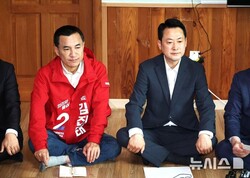
▲ 충남도의회, 제363회 임시회 제1차 기획경제위원회 진행 장면 © 충남도의회 제공 |
충남도의회 기획경제위원회는 21일 제363회 임시회 제1차 회의를 열고 충남평생교육진흥원과 AI데이터정책관, 투자통상정책관, 인재개발원으로부터 올해 주요 업무계획을 보고받으며 정책 추진 방향과 예산 집행의 실효성을 집중 점검했다.
위원회는 먼저 평생교육과 장학사업 전반에 대해 구조적 개선 필요성을 제기했다. 예산 운용과 관련해서는 단기 금융상품의 금리 여건을 고려한 보다 탄력적인 자금 운용이 요구된다는 점을 짚었다. 특히 간호 분야 장학사업의 경우 단순한 사업 종료보다는 도내 간호학과 재학생으로 지원 대상을 넓혀 지역 의료 인력의 확보와 정주를 동시에 도모하는 방향으로 재설계할 필요성이 제기됐다. 서울·대전 소재 학사 운영과 관련해서도 학년별 수요 분석을 토대로 신입생 비중을 일정 수준 유지하는 등 중장기 관리 기준을 마련해야 한다는 의견이 나왔다.
청년 정책 분야에서는 시·군 단위로 운영 중인 청년센터의 역할과 기능이 도 정책과 충분히 연계되지 못하고 있다는 점이 지적됐다. 행사 위주의 단발성 프로그램에서 벗어나 지역 청년과의 지속적인 관계 형성으로 전환해야 하며, 이를 위해 도 차원의 협력 모델과 정책 실험이 필요하다는 주문이 이어졌다. 특히 공모 방식의 시범 사업이나 정책 개발 예산을 활용해 운영 성과를 체계적으로 검증하고, 그 결과를 의회와 공유하는 구조가 필요하다는 점이 강조됐다.
투자·통상 분야에서는 해외동포 은퇴자 이주 유치 정책에 대한 보다 적극적인 역할이 요구됐다. 해외 네트워크를 보유한 투자통상정책관실이 인구정책 부서와의 협업을 강화해 실질적인 유치 전략을 마련해야 한다는 것이다. 해외사무소별로 특성을 살린 사업 운영과 함께 성과에 기반한 예산 재배분 필요성도 언급됐다. 농수산식품 수출과 관련해서는 기존 성과를 토대로 해외시장 개척과 판로 다변화 노력을 지속해야 한다는 당부가 이어졌다.
이와 함께 다자녀 가구 대학생에 대한 지원 공백 문제도 논의됐다. 과거 시행됐던 기숙사비 지원 제도가 중단된 이후 대안 마련이 미흡하다는 점을 지적하며, 세 자녀 이상 가구 대학생을 대상으로 한 학사 지원 제도 복원이나 주거비 부담 완화 방안을 검토해야 한다는 의견이 제시됐다. 우선 입소나 부담금 지원 등 실질적인 지원책이 병행돼야 정책 체감도가 높아질 수 있다는 분석도 덧붙여졌다.
이번 업무보고를 통해 기획경제위원회는 각 정책이 개별 사업에 머무르지 않고 인구·청년·산업 전략과 유기적으로 연결돼야 한다는 점을 분명히 했다. 단기 성과보다 지속 가능성과 구조적 개선에 초점을 맞춘 정책 전환이 필요하다는 점에서, 향후 집행 과정에 대한 면밀한 점검이 이어질 것으로 보인다.
*아래는 위 기사를 '구글 번역'으로 번역한 영문 기사의 [전문]입니다. '구글번역'은 이해도를 높이기를 위해 노력하고 있습니다. 영문 번역에 오류가 있을 수 있음을 전제로 합니다.<*The following is [the full text] of the English article translated by 'Google Translate'. 'Google Translate' is working hard to improve understanding. It is assumed that there may be errors in the English translation.>
The Chungnam Provincial Council's Planning and Economy Committee held its first meeting of the 363rd extraordinary session on the 21st. The committee received reports on this year's key work plans from the Chungnam Lifelong Education Promotion Agency, the AI Data Policy Director, the Investment and Trade Policy Director, and the Human Resources Development Institute. The committee focused on examining the direction of policy implementation and the effectiveness of budget execution.
First, the committee raised the need for structural improvements to lifelong education and scholarship programs. Regarding budget management, it emphasized the need for more flexible fund management, taking into account the interest rates of short-term financial products. Specifically, the committee highlighted the need to redesign the nursing scholarship program to expand its eligibility to current nursing students in the province, rather than simply ending the program, to simultaneously secure a local medical workforce and promote settlement. Regarding the operation of bachelor's programs in Seoul and Daejeon, it was suggested that mid- to long-term management standards be established, such as maintaining a certain percentage of new students based on a demand analysis by grade level.
In the area of youth policy, the committee pointed out that the roles and functions of youth centers operated at the city and county levels are not sufficiently aligned with provincial policies. The call for a shift away from event-focused, one-off programs toward building lasting relationships with local youth was repeated, and for provincial-level collaboration models and policy experiments were necessary. In particular, the need for a structure that systematically verifies operational performance through pilot projects or policy development budgets, and shares the results with the legislature, was emphasized.
In the areas of investment and trade, a more proactive role was called for in attracting overseas Korean retirees. The Office of Investment and Trade Policy, with its international network, should strengthen collaboration with the Population Policy Department to develop practical strategies for attracting them. The need for performance-based budget reallocation, along with tailored business operations for each overseas office, was also highlighted. Regarding agricultural, fishery, and food product exports, the call for continued efforts to develop overseas markets and diversify sales channels, building on existing achievements, was emphasized.
Furthermore, the issue of gaps in support for university students from families with multiple children was discussed. The lack of alternatives since the suspension of the dormitory subsidy program was noted, and suggestions were made for reinstating the undergraduate support program for university students from families with three or more children and considering measures to alleviate housing costs. The analysis also added that the policy's impact can only be heightened when accompanied by practical support measures, such as subsidies for admission and costs.
Through this work report, the Planning and Economy Committee made it clear that each policy should not remain an individual project but should be organically linked to population, youth, and industrial strategies. Given the need for a policy shift focused on sustainability and structural improvement rather than short-term results, close scrutiny of the implementation process is expected to continue.
원본 기사 보기:브레이크뉴스대전세종충청