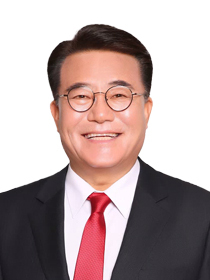
▲ 더불어민주당 장철민 의원(대전 동구) © 정지완 기자 |
대한민국 첨단산업의 성취를 체계적으로 기록하고 이를 공공의 자산으로 확장하기 위한 제도적 논의가 국회에서 본격화됐다. 국회 산업통상자원중소벤처기업위원회 소속 장철민 더불어민주당 의원은 지난 21일 '국립미래첨단산업박물관 설립 및 운영에 관한 법률안'을 대표 발의했다.
반도체, 이차전지, 인공지능(AI) 등 핵심 산업 분야에서 한국은 이미 세계적 경쟁력을 확보했지만, 기술 발전의 과정과 산업적 축적을 국가 차원에서 정리·전시하는 전문 기관은 부재한 상황이다. 산업 현장에서 축적된 성과가 개별 기업이나 연구기관의 기록으로만 남아 공공 자산으로 환원되지 못하고 있다는 점에서, 산업 유산 관리의 공백이 꾸준히 지적돼 왔다.
이번 법안은 국립미래첨단산업박물관의 법적 설립 근거를 마련하고, 중장기 발전계획과 기본 운영계획 수립을 제도화하는 내용을 담고 있다. 아울러 미래 첨단산업 관련 유물과 기술 자료의 발굴·보존·전시, 대국민 교육 및 홍보 사업 수행, 정부의 재정 지원과 운영 체계 구축 등이 주요 내용으로 포함됐다.
특히 이공계 기피 현상과 첨단산업 인력 부족 문제가 구조적 과제로 떠오른 상황에서, 박물관이 단순한 전시 공간을 넘어 교육과 진로 탐색의 장으로 기능할 수 있다는 점도 법안의 핵심 취지로 제시된다. 산업의 결과만이 아니라 연구와 실패, 축적의 과정을 입체적으로 보여주는 공공 플랫폼이 필요하다는 문제의식이 반영됐다.
장 의원은 첨단산업 발전의 기록이 현재 세대의 성과를 넘어 미래 세대의 학습 자산이 되어야 한다는 점을 강조하며, 국가 산업의 궤적을 집약적으로 조망할 수 있는 공간 조성의 필요성을 밝혔다. 특히 과학기술 중심 도시로 자리매김해 온 대전이 박물관 건립 논의와 맞물릴 경우, 기존 연구·산업 인프라와의 연계를 통해 상징성과 실효성을 동시에 확보할 수 있다는 판단도 덧붙였다.
국립미래첨단산업박물관은 기술 전시를 넘어 국가 산업 전략의 흐름을 시각화하는 기능을 수행할 수 있다. 개별 기술의 성과를 나열하는 방식이 아니라, 산업 생태계의 진화 과정과 정책·연구·기업 간 상호작용을 종합적으로 보여주는 공간이 될 경우, 산업 이해도 제고와 사회적 공감대 형성에 기여할 수 있다는 평가가 나온다.
장 의원은 법안 발의를 계기로 부지 선정과 예산 확보 등 후속 절차가 속도감 있게 진행될 수 있도록 관계 부처와의 협의를 이어갈 계획이다. 제도 마련에 그치지 않고 실질적인 건립 단계로 이어질 수 있도록 국회 차원의 역할을 지속하겠다는 구상이다.
한편 장 의원은 22일 저녁 대전에서 출판기념회를 열고, 대전과 충청을 중심으로 한 국가 미래 전략과 지역 균형 발전 구상을 제시할 예정이다. 첨단산업과 지역, 인재를 연결하는 비전이 이번 법안 논의와도 맞닿아 있다는 점에서 향후 행보에 관심이 모인다.
*아래는 위 기사를 '구글 번역'으로 번역한 영문 기사의 [전문]입니다. '구글번역'은 이해도를 높이기를 위해 노력하고 있습니다. 영문 번역에 오류가 있을 수 있음을 전제로 합니다.<*The following is [the full text] of the English article translated by 'Google Translate'. 'Google Translate' is working hard to improve understanding. It is assumed that there may be errors in the English translation.>
Institutional discussions have begun in earnest in the National Assembly to systematically record the achievements of South Korea's cutting-edge industries and expand them into public assets. On the 21st, Rep. Jang Cheol-min of the Democratic Party of Korea, a member of the National Assembly's Trade, Industry, Energy, SMEs and Startups Committee, introduced the "Bill on the Establishment and Operation of the National Museum of Advanced Future Industries."
While South Korea has already achieved global competitiveness in key industries such as semiconductors, secondary batteries, and artificial intelligence (AI), there is currently no specialized institution at the national level to compile and exhibit the process of technological advancement and industrial accumulation. The gap in industrial heritage management has been consistently highlighted, as the achievements accumulated in industrial fields remain solely in the records of individual companies and research institutes, failing to be converted into public assets.
This bill establishes the legal basis for the establishment of the National Museum of Advanced Future Industries and institutionalizes the establishment of a mid- to long-term development plan and basic operation plan. Furthermore, key provisions include the excavation, preservation, and exhibition of artifacts and technical data related to future cutting-edge industries, public education and promotional activities, and the establishment of government financial support and operational systems.
In particular, given the structural challenges of aversion to science and engineering and a shortage of skilled workers in cutting-edge industries, the bill emphasizes the need for museums to function as venues for education and career exploration, transcending mere exhibition spaces. This reflects the need for a public platform that not only showcases the results of industry but also provides a multi-faceted view of the research, failure, and accumulation processes.
Representative Jang emphasized the need for records of cutting-edge industry development to serve as learning assets for future generations, not just the current generation. He emphasized the need to create a space that provides a comprehensive overview of the trajectory of national industry. He added that if Daejeon, a city established as a hub for science and technology, were to integrate the museum's establishment discussions with existing research and industrial infrastructure, it could achieve both symbolic and practical benefits.
The National Museum of Future and Advanced Industries could go beyond simply exhibiting technology and visualize the flow of national industrial strategies. Rather than simply listing the achievements of individual technologies, it is considered that if it becomes a space that comprehensively showcases the evolution of the industrial ecosystem and the interactions between policies, research, and businesses, it can contribute to enhancing industrial understanding and building social consensus.
Representative Jang plans to continue consultations with relevant ministries to expedite subsequent procedures, such as site selection and budget securing, following the introduction of the bill. He envisions continuing the National Assembly's role in ensuring that the process goes beyond institutional establishment and progresses to the actual construction stage.
Meanwhile, Representative Jang will hold a book launch event in Daejeon on the evening of the 22nd, where he will present a national future strategy and a plan for balanced regional development centered on Daejeon and Chungcheong. Given that his vision of connecting cutting-edge industries, regions, and talent aligns with the current bill discussions, attention is focused on his future actions.
원본 기사 보기:브레이크뉴스대전세종충청