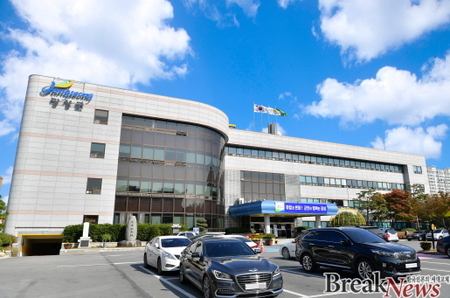
▲ 인천광역시 ©박상도 기자 |
(브레이크뉴스인천 박상도 기자) 인천시가 28일, 국토교통부에서 추진 중인 ‘경인고속도로 지하화 사업’과 관련해 상부 도로계획 등을 선제적으로 검토하기 위해 ‘경인고속도로 지하화 관련 상부도로 기본계획 수립 용역’을 발주한다고 밝혔다.
인천시에 따르면, 경인고속도로는 1968년 12월 개통된 대한민국 1호 고속도로로 국가 경제 성장의 견인차 역할을 해왔으나 1980년대 이후 급격한 도시화로 고속도로가 도심을 관통하게 되면서 지역 간 단절을 초래했다.
또한 출퇴근 차량과 화물차 증가로 만성적인 교통정체가 발생하여 획기적으로 개선할 대전환의 필요성이 제기돼 왔다.
경인고속도로 지하화 사업은 총사업비 약 1조 3,780억 원이 투입되는 대규모 국책사업으로, 청라1동에서 신월나들목까지 총연장 15.3km 구간에 진출입로 5개소를 포함한 왕복 4차로 규모의 지하 고속도로를 건설하는 사업이다.
인천시는 국토교통부가 지난해 12월 착수한 ‘경인고속도로 지하화 타당성평가용역’ 일정에 발맞춰, 용역비 15억 원을 투입해 ‘상부도로 기본계획 수립 용역’을 1월 중 발주하고, 3월에 착수해 향후 2년간 과업을 수행할 계획이다.
이번 용역을 통해 인천시는 방음벽과 옹벽이 사라진 상부도로 공간을 대상으로 교차로 설치 등 도로계획과 녹지계획을 구체화해, 지하화 사업 추진 과정에서 시의 의견이 적극 반영되도록 할 방침이다.
아울러 주변 지역에 대한 중장기적 활성화 방안을 마련해 침체된 원도심의 경쟁력을 높이고, 도시 전반에 활력을 불어넣는 지속 가능한 도시재생의 발판을 마련한다는 구상이다.
인천시는 용역 추진 과정에서 지역 주민과 분야별 전문가 의견을 적극 수렴해 내실 있는 상부도로 기본계획을 수립할 계획이며, 국토교통부 등 관계기관과의 긴밀한 협력을 통해 사업 완성도를 높여나갈 예정이다.
유정복 시장은 “상부도로에 대한 선제적 계획을 통해 경인고속도로를 산업화의 길에서 사람·균형·미래의 길로 전환하고, 남북으로 단절됐던 도시 공간을 하나로 연결해 원도심 활성화를 도모하겠다”고 말했다.
*아래는 위 기사를 ‘구글 번역’으로 번역한 영문 기사의 [전문]입니다.‘구글번역’은 이해도 높이기를 노력하고 있습니다. 영문 번역에 오류가 있을 수 있음을 전제로 합니다.<*Below is the full text of the English translation of the above article, translated using Google Translate. Google Translate strives to improve comprehension. Please understand that there may be errors in the English translation.>
Incheon City to Develop Master Plan for Underground Upper Road of Gyeongin Expressway... Detailing Green Space and Intersection Plans
-Break News Incheon Park Sang-do Reporter
Incheon City announced on the 28th that it is commissioning a "Master Plan for the Gyeongin Expressway Underground" service to preemptively review the upper road plan related to the "Gyeongin Expressway Underground Project," currently being promoted by the Ministry of Land, Infrastructure and Transport.
According to Incheon City, the Gyeongin Expressway, opened in December 1968 as South Korea's first expressway, played a leading role in national economic growth. However, rapid urbanization since the 1980s has led to the highway's passage through the city center, creating regional disconnections.
Furthermore, chronic traffic congestion caused by the increase in commuter vehicles and trucks has led to calls for a drastic transformation to dramatically improve the expressway.
The Gyeongin Expressway Underground Project is a large-scale national project with a total budget of approximately KRW 1.378 trillion. It involves constructing a 15.3km underground expressway with five entrances and exits, with four lanes in each direction, from Cheongna 1-dong to Sinwol IC.
Incheon City plans to invest KRW 1.5 billion in the "Upper Road Master Plan Establishment Service" in January, in line with the "Gyeongin Expressway Underground Feasibility Study" launched by the Ministry of Land, Infrastructure and Transport in December of last year. The project will commence in March and run for two years.
Through this project, Incheon City plans to concretize road and green space plans, including the installation of intersections, for the upper road space where soundproof walls and retaining walls have disappeared. This will ensure that the city's input is actively reflected in the implementation of the underground project.
Furthermore, the city plans to develop a mid- to long-term revitalization plan for the surrounding area, thereby enhancing the competitiveness of the stagnant downtown area and laying the foundation for sustainable urban regeneration that will revitalize the entire city.
During the project, Incheon City plans to actively solicit feedback from local residents and experts in various fields to develop a substantive master plan for the upper road. It will also work closely with relevant organizations, including the Ministry of Land, Infrastructure and Transport, to enhance the project's completion.
Mayor Yoo Jeong-bok stated, "Through proactive planning for the upper road, we will transform the Gyeongin Expressway from a path for industrialization to a path for people, balance, and the future. We will also connect the previously isolated urban spaces of the north and south, thereby promoting the revitalization of the old downtown area."
원본 기사 보기:ebreaknews.com