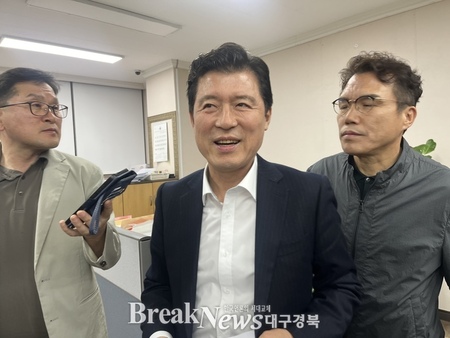
▲필자/ 최인식 정치 칼럼니스트. ©브레이크뉴스 |
아프리카에서 34년간 의료 봉사를 해온 유덕종 의사의 고백은 인도주의의 한계를 말하는 것이 아니라, 인도주의가 작동하기 위한 조건을 묻는다. “이 나라에 정말 필요한 것은 의사 한 명이 아니라 공장을 지어줄 사업가”라는 외교관의 말은 냉정하지만 현실이다. 경제력이 뒷받침되지 않는 의료는 밑 빠진 독에 물 붓기와 같다는 그의 체험은 개발도상국의 구조적 빈곤을 정확히 짚는다.
가난한 나라의 국립병원에는 환자가 넘쳐난다. 그러나 검사 장비도, 약도, 수액도 없다. 의료진의 헌신만으로는 생명을 살릴 수 없다. 건강의 전제는 의료이지만, 의료의 전제는 경제다. 제대로 먹고, 위생적인 환경에서 살고, 최소한의 국가 시스템이 작동해야 치료도 예방도 가능하다. 유덕종 의사가 느낀 무력감은 개인의 능력 부족이 아니라 국가 시스템의 부재에서 비롯된 것이었다.
이 장면은 낯설지 않다. 불과 60여 년 전 대한민국이 그랬다. 자본도 기술도 없던 나라에서 박정희 대통령은 의료와 복지 이전에 공장, 도로, 전력, 수출 시스템을 선택했다. 가난을 제거하지 못하면 어떤 이상도 지속될 수 없다는 판단이었다. 그 결과 한국은 한 세대 만에 빈곤국에서 산업국가로 도약했다. 결핵이 사라지고 평균 수명이 늘어난 것도, 교육 수준이 높아진 것도 의술의 발전 이전에 경제 성장의 결과였다.
오늘의 한국 사회에는 박정희를 ‘독재자’라는 한 단어로만 기억하도록 배워온 시각이 적지 않다. 그러나 자유와 민주주의 역시 공짜로 주어진 것이 아니다. 경제라는 토대 위에서만 제도는 작동한다. 가난한 나라에 민주화만 외치는 것은, 수액도 없이 수술하라는 말과 다르지 않다. 역사에서 중요한 것은 도덕적 평가 이전에 무엇이 나라를 살렸는가라는 질문이다.
이제 시선을 미래로 돌려야 한다. 오늘날 아프리카와 글로벌 개도국에 필요한 것은 과거의 굴뚝 공장만이 아니다. AI와 디지털 공장, 데이터 기반 국가 시스템이다. 의료 인력 수천 명을 파견하는 것보다 AI 진단 시스템 하나가 더 많은 생명을 살릴 수 있다. 교사 수백 명을 보내는 것보다 AI 교육 플랫폼 하나가 더 넓은 기회를 만든다. AI는 개도국에게 산업화의 시간을 압축할 수 있는 거의 유일한 도구다.
그러나 기술이 모든 것을 해결하지는 않는다. 부패한 정치 구조와 무능한 리더십 아래서 AI 역시 또 하나의 밑 빠진 독이 된다. 박정희 시대의 공장이 그랬듯, AI 역시 국가 전략과 리더십이 전제되어야 한다. 자신보다 국가를 먼저 생각하고, 분명한 비전을 제시하며, 사리사욕을 버리고 인재를 쓰는 지도자 없이는 어떤 기술도 국가를 구하지 못한다.
나는 호남(전북 완주 삼례) 출신이지만 박정희 대통령을 존경하고 새마을운동을 사랑한다. 지역이나 이념이 아니라, 가난을 끝내겠다는 집요한 실행력을 존중하기 때문이다. 유덕종 의사의 아프리카 34년 체험이 우리에게 던지는 메시지도 같다. 선의만으로는 나라를 살릴 수 없다. 시스템을 세워야 한다.
아프리카–한국–AI–개도국은 하나의 직선 위에 있다. 가난을 이겨낸 나라의 경험을 기술로 재해석해 나누는 것, 그것이 지금 한국이 세계에 기여할 수 있는 가장 현실적인 역할이다. 의사 한 명이 생명을 살리고, 공장 하나가 국가를 살렸다면, 이제는 AI 하나가 미래를 바꿀 차례다. 역사는 감정이 아니라 결과로 평가된다. 그리고 그 결과는 언제나 준비된 리더십의 몫이었다.
*필자/최인식 정치 칼럼니스트
*아래는 위 기사를 '구글 번역'으로 번역한 영문 기사의 [전문]입니다. '구글번역'은 이해도 높이기를 위해 노력하고 있습니다. 영문 번역에 오류가 있을 수 있음을 전제로 합니다.<*The following is [the full text] of the English article translated by 'Google Translate'. 'Google Translate' is working hard to improve understanding. It is assumed that there may be errors in the English translation.>
One doctor, one factory, and one AI can save a nation!
-Choi In-sik, political columnist
The confession of Dr. Yoo Deok-jong, who has served as a medical volunteer in Africa for 34 years, does not address the limitations of humanitarianism, but rather questions the conditions for it to function. The diplomat's statement, "What this country really needs is not a doctor, but an entrepreneur who will build a factory," is stark but realistic. His experience, that healthcare without economic support is like pouring water into a bottomless pit, accurately highlights the structural poverty of developing countries.
National hospitals in poor countries are overflowing with patients. However, they lack testing equipment, medicine, and intravenous fluids. The dedication of medical staff alone cannot save lives. Health is prerequisite to healthcare, but healthcare itself is prerequisite to the economy. Treatment and prevention are possible only when people eat properly, live in a sanitary environment, and have a functioning national system. The helplessness Dr. Yoo Deok-jong felt stemmed not from a lack of individual ability, but from the absence of a national system.
This scene is familiar. It was the same in South Korea just 60 years ago. In a country lacking capital and technology, President Park Chung-hee chose factories, roads, electricity, and export systems over healthcare and welfare. He believed that without eliminating poverty, no ideals could be sustained. As a result, Korea leaped from an impoverished nation to an industrialized nation in a single generation. The disappearance of tuberculosis, the increase in life expectancy, and the rise in educational attainment were all the result of economic growth, not medical advancements.
In today's Korean society, many have been taught to remember Park Chung-hee solely as a "dictator." However, freedom and democracy are not given for free. Systems function only on the foundation of the economy. To advocate only for democratization in a poor country is no different from asking for surgery without IV fluids. The crucial question in history, before moral judgment, is what saved a nation.
Now, we must turn our gaze to the future. What Africa and the developing world need today is not just the smokestack factories of the past. It is AI, digital factories, and data-driven national systems. A single AI diagnostic system can save more lives than deploying thousands of medical personnel. A single AI education platform creates greater opportunities than sending hundreds of teachers. AI is virtually the only tool that can compress the time it takes for developing countries to industrialize.
However, technology doesn't solve everything. Under a corrupt political structure and incompetent leadership, AI becomes yet another bottomless pit. Just as factories under Park Chung-hee's era were, AI also requires national strategy and leadership. Without a leader who puts the nation before himself, presents a clear vision, and employs talented individuals without self-interest, no technology can save a nation.
I hail from the Honam region (Samrye, Wanju, North Jeolla Province), but I respect President Park Chung-hee and the Saemaul Movement. This is because I respect his tenacious drive to end poverty, not because of regionalism or ideology. The message Dr. Yoo Deok-jong's 34 years of experience in Africa conveys to us is the same: good intentions alone cannot save a nation. Systems must be established.
Africa, Korea, AI, and developing countries lie on a single straight line. Reinterpreting and sharing the experience of a country overcoming poverty through technology is Korea's most realistic contribution to the world today. Just as a single doctor saved a life and a single factory saved a nation, now it's time for AI to transform the future. History is judged by results, not emotions. And those results have always been the responsibility of prepared leadership. *Author: Choi In-sik, political columnist