▲[자료해설] : 이 그림은 국가 권력 아래에서 비공식 시장이 생존 부담을 흡수하며 체제를 지탱하는 하이브리드 구조를 상징적으로 보여준다. ©브레이크뉴스 |
북한의 시장과 비공식 경제를 바라보는 시선에는 오래된 전제가 하나 깔려 있다. 비공식 질서가 확대되면, 공식 질서는 약화되고 결국 체제는 무너질 것이라는 전제다. 그러나 지난 30년의 현실은 이 가설을 반복해서 부정해 왔다. 비공식 질서는 체제를 무너뜨리지 않았다.
그 이유는 간단하다. 비공식 경제는 체제의 대안으로 작동하지 않았기 때문이다. 그것은 출구가 아니라 완충 장치였다. 국가는 모든 생존을 책임질 수 없었고, 주민은 생존을 포기할 수 없었다. 그 사이에서 시장과 사적 교환은 위기를 흡수하는 역할을 맡았다.
실제로 필자가 수행한 100여 명 탈북자 심층 인터뷰에서도, “국가보다 먼저 시장을 찾았다”, “정치보다 장사가 먼저였다”는 증언이 반복적으로 확인된다. 생존의 선택은 저항이 아니라 적응의 방향으로 수렴되었다.
이 질서의 핵심은 대체가 아니라 분산이다. 불만은 정치로 모이지 않고, 일상으로 흩어진다. 결핍은 저항으로 폭발하지 않고, 거래로 조정된다. 위기는 체제를 향해 집중되지 않고, 생활 단위로 분산된다. 비공식 경제는 변화를 촉발하는 장치가 아니라, 변화를 지연시키는 장치로 기능해 왔다.
 ▲ 북한의 3대세습-최고 권력자인 김정은 북한 국무위원장. ©뉴시스 |
국가 역시 이 기능을 알고 있다. 그래서 비공식 질서는 제거되지 않았다. 대신 관리되었다. 허용과 단속, 묵인과 처벌이 반복되며, 질서는 완전히 자유롭지도 완전히 억압되지도 않은 상태로 유지된다. 이 애매한 상태가 오히려 구조를 안정시킨다.
이 지점에서 하나의 역설이 나타난다. 비공식 경제가 성장할수록 체제는 더 불안해지는 것이 아니라, 더 오래 지속된다. 생존의 부담이 국가에서 개인으로 이전되면서, 국가는 최소한의 질서만 유지하면 되기 때문이다. 이것이 필자가 ‘하이브리드 생존경제’라 부르는 구조의 핵심 메커니즘이다.
이 구조는 북한만의 특수한 현상이 아니다. 중세 말기 유럽에서도 공식적인 봉건 질서는 유지되었지만, 실제 생존은 길드와 장터, 비공식 교환망에 크게 의존했다. 그 시장들은 봉건제를 즉시 무너뜨리지 않았다. 오히려 체제가 감당하지 못한 부담을 흡수하며 질서를 연장했다. 변화는 혁명처럼 오지 않았고, 보이지 않게 축적되었다.
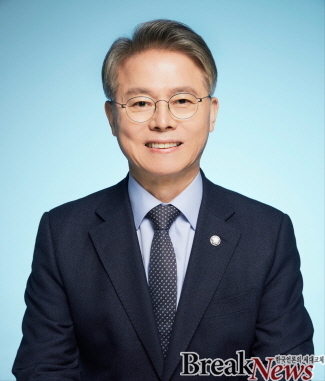
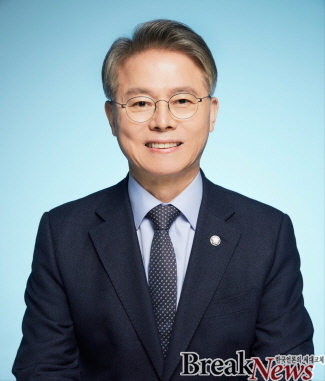
 ▲ 필자/곽인옥 교수. ©브레이크뉴스 |
북한의 비공식 질서 역시 마찬가지다. 그것은 체제를 위협하는 반대편이 아니라, 체제가 스스로를 유지하기 위해 활용하는 그늘의 장치다. 그래서 이 질서는 사라지지 않고, 형태를 바꾸며 반복된다.
다음 질문은 자연스럽다. 이 질서 안에서 사람들은 아무 규칙 없이 움직이는가. 아니면 또 다른 형태의 규범과 도덕이 형성되고 있는가.<이 칼럼은 필자의 ‘평양 하이브리드 생존경제’ 연구의 일부이다.>
*필자/-곽인옥 교수
*아래는 위 기사를 '구글 번역'으로 번역한 영문 기사의 [전문]입니다. '구글번역'은 이해도 높이기를 위해 노력하고 있습니다. 영문 번역에 오류가 있을 수 있음을 전제로 합니다.<*The following is [the full text] of the English article translated by 'Google Translate'. 'Google Translate' is working hard to improve understanding. It is assumed that there may be errors in the English translation.>
North Korea: Why Doesn't the Informal Order Collapse the Regime?... "The Stabilizing Function of the Subsistence Economy"
- Professor Kwak In-ok
[Data Commentary]: This image symbolically illustrates a hybrid structure where the informal market, under state power, absorbs the burden of survival and sustains the regime.
The perspective on North Korea's markets and informal economy is based on a long-standing assumption: that as the informal order expands, the formal order will weaken and the regime will eventually collapse. However, the reality of the past 30 years has repeatedly refuted this hypothesis. The informal order did not collapse the regime.
The reason is simple: the informal economy did not function as an alternative to the system. It was a buffer, not an exit. The state could not take full responsibility for survival, and the people could not give up their own survival. In the meantime, markets and private exchange served as a buffer against crises.
In fact, in my in-depth interviews with over 100 North Korean defectors, I repeatedly confirmed testimonies stating, "They sought the market before the state," and "Business came before politics." The choice for survival has converged toward adaptation, not resistance.
The core of this order is not substitution, but decentralization. Discontent does not converge in politics, but disperses into daily life. Deprivation does not explode as resistance, but is mediated through transactions. Crises are not concentrated against the system, but dispersed to everyday life. The informal economy has functioned not as a catalyst for change, but as a mechanism to delay it.
The state is also aware of this function. Therefore, the informal order has not been eliminated. Instead, it has been managed. Through a cycle of permission and crackdown, acquiescence and punishment, order is maintained in a state neither completely free nor completely suppressed. This ambiguity actually stabilizes the structure.
At this point, a paradox emerges. As the informal economy grows, the system does not become more unstable, but rather more enduring. As the burden of survival shifts from the state to the individual, the state is left to maintain only a minimal level of order. This is the core mechanism of what I call the "hybrid survival economy."
This structure is not unique to North Korea. In late medieval Europe, formal feudal order persisted, but actual survival relied heavily on guilds, marketplaces, and informal exchange networks. These marketplaces didn't immediately overthrow feudalism. Instead, they absorbed the burdens the system couldn't handle, extending the order. Change didn't arrive like a revolution, but accumulated invisibly.
North Korea's informal order is no different. It isn't a threat to the system, but rather a shadowy mechanism the system uses to maintain itself. Therefore, this order doesn't disappear, but rather morphs and repeats itself.
The next question is natural:
Do people operate within this order without any rules?
Or are new forms of norms and morals being formed? <This column is part of the author's research on the "Pyongyang Hybrid Survival Economy.">
*Author/-Professor Kwak In-ok