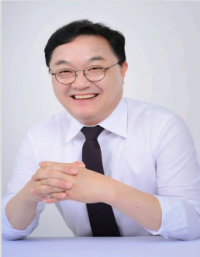
▲ 제293회 임시회 본회의 이한영 의원 5분자유발언 사진=대전시의회 제공 © 김정환 기자 |
9일 열린 대전광역시의회 제293회 임시회 본회의가 더불어민주당이 발의한 ‘대전·충남 행정통합 특별법’에 대한 성토장으로 변했다.
국민의힘 소속 시의원들은 5분 자유발언을 통해 재정권 결여, 절차적 졸속성, 교육자치 침해 등을 조목조목 짚으며 특별법안의 전면 재검토를 강력히 촉구했다.
이날 본회의 발언에서 “자치재정권 없는 통합은 ‘앵벌이 자치’로의 회귀”가장 먼저 포문을 연 이한영 의원(서구6)은 자치재정권이 빠진 행정통합은 결국 중앙정부에 대한 종속을 심화시킬 것이라고 경고했다.
이 의원은 현재의 지방자치를 ‘2할 자치’로 규정하며, 민주당이 제시한 연 최대 5조 원 규모의 지원금은 출처와 자율성이 불분명한 ‘중앙 통제형 보조금’에 불과하다고 맹비난했다.
그는 “4년의 지원 기간이 끝나면 다시 중앙정부에 의존하는 ‘앵벌이 자치’로 회귀할 수밖에 없다”며, “엔진 없는 자동차를 시민에게 타라고 강요하는 격”이라고 비유했다.
이어 국민의힘 모델처럼 항구적인 자주재원 확보 방안이 법률로 명시되어야 함을 역설했다.
“시민은 실험대상 아니다… ‘법꾸라지’식 졸속 추진 중단해야 한다”고 목소리를 높인 송인석 의원(동구1)은 절차적 정당성을 강하게 비판했다.
송 의원은 지난 1년간의 협의 제안을 무시하던 정부와 야당이 대통령의 한마디에 두 달 만에 법안을 만들어낸 사실을 꼬집으며 “이것이 당신들이 말하는 상식인가”라고 일갈했다.
그는 현 상황을 ‘집주인(시민)의 의견을 듣지 않는 리모델링’에 비유하며, 형식적인 의회 의결이 아닌 실질적인 주민투표를 요구했다.
특히 광주·전남 특별법안과의 형평성 문제를 제기하며, 대전·충남 시도민을 실험대상으로 삼는 ‘역사에 남을 악법’을 멈춰야 한다고 성토했다.
 ▲ 제293회 임시회 본회의 이금선 의원 5분자유발언 사진=대전시의회 제공 © 김정환 기자 |
5분 발언을 통해 “교육자치 종속 우려와 속도보다 공감이 먼저”라고 강조한 이금선 의원(유성구4)은 특별법안이 초래할 교육자치 훼손 문제와 압도적인 반대 여론을 전달했다.
이 의원은 영재학교 및 특목고 설립 권한이 통합시장에게 부여되는 점을 지적하며, “교육이 경제 논리에 종속되면 학교 현장은 진학률 경쟁과 폐교 위기에 내몰릴 것”이라고 우려했다.
이어 시의회 홈페이지와 입법예고에 접수된 수천 건의 반대 의견을 언급하며, “조례 하나를 만들 때도 수개월이 걸리는데, 6월 지방선거 전 통합시장 선출이라는 목표만을 위해 달려가는 것은 민주적 절차를 무시하는 행위”라고 질타했다.
이날 시의원들의 발언은 대전·충남 행정통합이라는 대전제에는 공감하면서도, 현재 민주당이 추진하는 방식은 지역의 실익과 자치권을 심각하게 침해한다는 공통된 결론으로 향했다.
대전시의회는 향후 시민의 의견이 충분히 반영된 '진정한 통합'을 위해 강력한 대응을 이어갈 방침이다.
*아래는 위 기사를 '구글 번역'으로 번역한 영문 기사의 [전문]입니다. '구글번역'은 이해도를 높이기를 위해 노력하고 있습니다. 영문 번역에 오류가 있을 수 있음을 전제로 합니다.<*The following is [the full text] of the English article translated by 'Google Translate'. 'Google Translate' is working hard to improve understanding. It is assumed that there may be errors in the English translation.>
Daejeon City Council Extraordinary Session Turns into a Clash Against the 'Daejeon-Chungnam Special Act on Administrative Integration'
The plenary session of the 293rd Extraordinary Session of the Daejeon Metropolitan City Council, held on the 9th, turned into a denunciation of the 'Daejeon-Chungnam Special Act on Administrative Integration' proposed by the Democratic Party of Korea.
People Power Party city council members, during their five-minute free speeches, strongly urged a comprehensive review of the special law, pointing out its lack of financial authority, procedural improprieties, and infringements on educational autonomy.
Representative Lee Han-young (Seo District 6), who was the first to open the plenary session, declared, "Unification without local financial authority is a return to 'self-serving autonomy.'" He warned that administrative integration without local financial authority would ultimately deepen subordination to the central government.
Representative Lee characterized the current local autonomy as "20% autonomy" and fiercely criticized the Democratic Party's proposed annual subsidy of up to 5 trillion won as nothing more than a "centrally controlled subsidy" with unclear sources and autonomy.
He stated, "Once the four-year support period ends, we will inevitably revert to 'self-government by default' that relies on the central government," comparing it to "forcing citizens to drive a car without an engine."
He then emphasized the need for a permanent plan to secure self-sufficient financial resources, as in the People Power Party's model, to be enshrined in law.
Representative Song In-seok (Dong-gu 1) strongly criticized the procedural legitimacy of the measure, stating, "Citizens are not guinea pigs... We must stop the hasty, 'legal-rigged' push."
Representative Song pointed out that the government and the opposition party, having ignored a year of consultations, passed a bill in two months at the president's behest. He asked, "Is this what you call common sense?"
He likened the current situation to "remodeling without listening to the opinions of the landlords (citizens)," and demanded a substantive referendum rather than a formal council resolution.
He particularly raised the issue of fairness with the Gwangju-Jeonnam Special Act, denouncing the need to stop this "historically evil law" that subjects the citizens of Daejeon and South Chungcheong Province as guinea pigs.
Councilmember Lee Geum-seon (Yuseong District 4), emphasizing, "Concerns about subordination of educational autonomy... Empathy comes before speed," addressed the potential damage to educational autonomy that the special act would cause, as well as the overwhelming public opposition.
Councilmember Lee pointed out that the authority to establish gifted and specialized high schools is granted to the mayor, and expressed concern that "if education is subordinated to economic logic, schools will face competition for admission rates and the risk of closure."
He then cited the thousands of objections received on the city council's website and legislative notice, criticizing the council for "taking months to draft even a single ordinance, and rushing solely toward the goal of electing a unified mayor before the June local elections is an act of disregarding democratic procedures."
While the council members shared the premise of the administrative integration of Daejeon and South Chungcheong Province, they also reached the common conclusion that the Democratic Party's current approach seriously undermines local interests and autonomy.
The Daejeon City Council plans to continue its strong response to achieve "true integration" that fully reflects the opinions of its citizens.
원본 기사 보기:브레이크뉴스대전세종충청