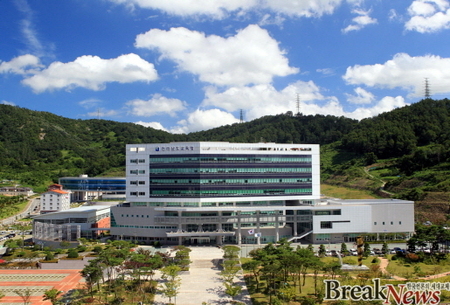
▲ 충남도청사 전경=충청남도 제공 © 정지완 기자 |
충남도가 금융·경제 정보 접근성이 낮은 계층을 대상으로 실효성 중심의 맞춤형 경제교육 체계를 가동한다. 도는 12일 ‘2026년 지역 경제교육 사업’ 수요 조사를 오는 20일까지 실시한 뒤 결과를 반영해 이달부터 11월까지 단계별 교육을 진행할 계획이라고 밝혔다.
이번 사업은 충남도와 충남경제교육센터가 공동 추진하며, 도내 전 지역·전 연령층 가운데 경제교육 필요성이 높은 대상을 선별해 무료 교육을 제공하는 것이 핵심이다. 특히 지역 간 교육 격차를 최소화하기 위해 각 시군과 유관 단체에 협조를 요청하고 균형 배분 방식으로 대상자를 확정할 방침이다.
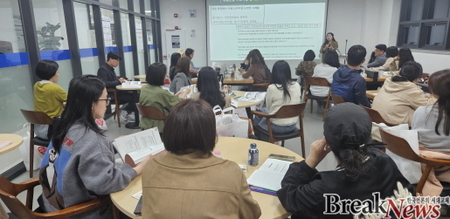
교육 대상은 자활사업 참여자, 다문화가정 구성원, 구직자, 새터민, 영세자영업자(소상공인), 저소득 중장년층 등 경제 취약 가능성이 높은 계층으로 설정됐다. 프로그램은 신청 단체와 연계한 방문형 방식으로 운영돼 이동 제약이나 정보 부족으로 교육 참여가 어려웠던 주민의 접근성을 실질적으로 개선할 전망이다.
교육 내용은 생활경제 기초 이해, 경제사기 예방, 재무설계 등 일상 재무 역량과 직결되는 주제로 구성되며, 참여 집단 특성과 요구를 반영한 맞춤 설계가 적용된다. 이는 단순 강의형 전달을 넘어 개인 상황별 의사결정 능력을 높이는 실천 중심 교육이라는 점에서 정책적 의미가 있다.
도 경제정책과는 금융·경제 교육 사각지대 해소가 지역 경제 안정성과 직결된다고 보고 있으며, 현장 수요를 반영한 교육 확대가 도민의 자산 관리 역량과 위험 대응 능력을 동시에 높일 것으로 판단하고 있다. 실제로 취약계층을 대상으로 한 경제교육은 단기적 지식 전달보다 장기적 재무행동 개선 효과가 크다는 점에서 사회적 비용 절감 측면에서도 정책 타당성이 높다.
이번 사업은 교육 복지 차원을 넘어 지역경제 기반을 강화하는 예방적 정책 성격을 띠며, 특히 찾아가는 교육 모델은 지방 단위 경제교육 사업의 실행력을 높이는 실증적 방식으로 평가된다.
*아래는 위 기사를 '구글 번역'으로 번역한 영문 기사의 [전문]입니다. '구글번역'은 이해도를 높이기를 위해 노력하고 있습니다. 영문 번역에 오류가 있을 수 있음을 전제로 합니다.<*The following is [the full text] of the English article translated by 'Google Translate'. 'Google Translate' is working hard to improve understanding. It is assumed that there may be errors in the English translation.>
South Chungcheong Province Launches Customized Economic Education Targeting Financially Vulnerable Populations
Demand Survey to be Conducted Until the 20th… "On-site Education" Program to be Operated Until November
South Chungcheong Province is launching a customized economic education program focused on effectiveness for those with limited access to financial and economic information. The province announced on the 12th that it will conduct a demand survey for the "2026 Regional Economic Education Project" until the 20th and, based on the results, will implement phased education from this month to November.
This project, jointly implemented by South Chungcheong Province and the Chungnam Economic Education Center, focuses on providing free education to individuals with high economic need across all regions and age groups in the province. To minimize educational disparities across regions, the province will request cooperation from each city, county, and related organizations, and determine recipients through a balanced distribution process.
The target population for the program is individuals with a high risk of economic vulnerability, including participants in self-reliance programs, members of multicultural families, job seekers, North Korean defectors, small business owners, and low-income middle-aged and older adults. The program will be operated on a door-to-door basis in conjunction with participating organizations, substantially improving accessibility for residents who previously had difficulty participating due to mobility restrictions or lack of information.
The curriculum will cover topics directly related to everyday financial competencies, such as understanding the basics of everyday economics, preventing financial fraud, and financial planning. The program will be tailored to the characteristics and needs of the participating groups. This approach is significant in that it goes beyond simple lecture-style instruction and focuses on practical training that enhances individual decision-making skills.
The Provincial Economic Policy Division believes that addressing blind spots in financial and economic education is directly linked to regional economic stability. Expanding education programs that reflect on-site needs will simultaneously enhance residents' asset management and risk management capabilities. Indeed, economic education for vulnerable populations is more effective in improving long-term financial behavior than short-term knowledge transfer, making it highly policy-effective in terms of reducing social costs.
This project goes beyond educational welfare and serves as a preventative policy aimed at strengthening the foundation of the local economy. The on-site education model, in particular, is being evaluated as an effective method for enhancing the effectiveness of local economic education programs.
원본 기사 보기:브레이크뉴스대전세종충청