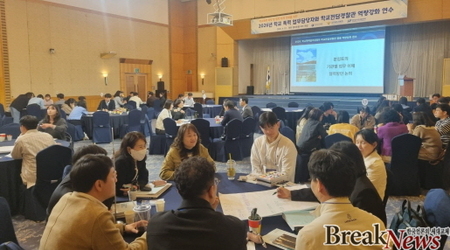
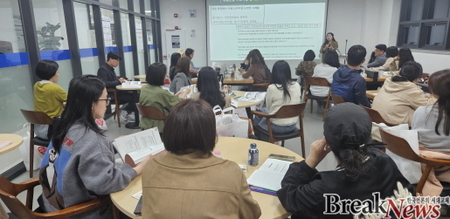
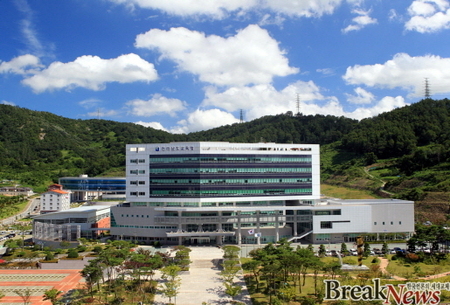
▲ 대전문학관, 2026 상반기 문학교육프로그램 수강생 모집 안내문=대전문화재단 제공 © 정지완 기자 |
대전문화재단이 운영하는 대전문학관이 시민 대상 창작 교육을 확대하며 지역 문학생태계 저변 확장에 나선다. 문학관은 2월 20일부터 ‘2026 상반기 문학교육프로그램’ 수강 신청을 접수하고, 3월 중순부터 강좌를 순차 개설한다.
이번 과정은 창작 수요의 다양성을 반영해 '시창작 기초', '시창작 심화', '아동문학', '희곡', '디카시' 등 5개 분야로 편성됐다. 강좌별 모집 인원은 약 30명이며, 모든 수업은 대전문학관 다목적강의실에서 10회 과정으로 진행된다.
참여 대상은 대전에 주소를 둔 성인이며 수강료는 무료다. 다만 교재비는 본인 부담이고, 최근 2년 내 동일 프로그램 수강 이력이 없는 신청자가 우선 선발된다. 접수는 3월 1일까지 온라인으로 진행되며 결과는 3월 4일 공지된다.
교육 구성은 수준별 학습 체계를 강화한 점이 특징이다. 시창작은 기초와 심화 단계로 분리해 학습 밀도를 높였고, 아동문학 과정은 동시와 청소년시 창작을 병행하도록 설계됐다. 희곡 강좌는 낭독극 실연 중심 실습형 수업으로 운영되며, 디카시는 사진과 문장을 결합한 융합 창작 교육 형태를 취한다.
강의는 아동문학 작가 유하정, 김수영문학상 수상 시인 김석영, 문학박사 성은주, 연극평론가 김충일, 디카시 작가 김영빈 등 각 장르 전문 창작자가 맡는다.
조성남 대전문학관장은 교육 단계 세분화와 장르 확장을 통해 시민 선택 폭을 넓히고, 합평 중심 수업 구조를 통해 실질적 창작 능력 향상을 도모한다는 운영 방향을 밝혔다. 이는 단순 취미 강좌를 넘어 지역 문학 인력 양성 기반을 마련하려는 정책적 접근으로 해석된다.
지역 공공문학 교육 프로그램은 생활문화 영역에서 창작 참여율을 높이고 문화 향유 구조를 생산 중심으로 전환시키는 효과가 있다는 점에서 의미가 있다.
특히 디지털 이미지와 언어를 결합한 디카시 과정은 현대 콘텐츠 환경과 문학 교육의 접점을 확장하는 시도로 평가된다. 장르 혼합형 교육이 창작 진입 장벽을 낮추고 지역 문화자본 형성에 기여한다는 점에서, 이번 프로그램은 지역문학 인프라 활성화 전략의 실천 사례로 볼 수 있다.
*아래는 위 기사를 '구글 번역'으로 번역한 영문 기사의 [전문]입니다. '구글번역'은 이해도를 높이기를 위해 노력하고 있습니다. 영문 번역에 오류가 있을 수 있음을 전제로 합니다.<*The following is [the full text] of the English article translated by 'Google Translate'. 'Google Translate' is working hard to improve understanding. It is assumed that there may be errors in the English translation.>
Daejeon Literature Museum Opens Applications for First Half 2026 Literature Education Program
Free Courses Offering Five Courses, Including Poetry, Drama, and Dramatic Poetry… Priority Selection for New Participants
The Daejeon Literature Museum, operated by the Daejeon Cultural Foundation, is expanding its creative writing education program for citizens and expanding the local literary ecosystem. The museum will begin accepting applications for the "First Half 2026 Literature Education Program" on February 20th, with courses opening sequentially in mid-March.
Reflecting the diverse creative writing needs, the program is divided into five areas: "Basic Poetry Writing," "Advanced Poetry Writing," "Children's Literature," "Drama," and "Dramatic Poetry." Each course is limited to approximately 30 students, and all classes are held over 10 sessions in the Daejeon Literature Museum's multipurpose lecture room.
Participation is open to adults residing in Daejeon. Tuition is free. Applicants are responsible for the cost of textbooks, and preference will be given to applicants who have not previously taken a similar program within the past two years. Applications will be accepted online until March 1st, and results will be announced on March 4th.
The curriculum is characterized by a strengthened, level-based learning system. Poetry writing is divided into beginner and advanced levels to enhance learning intensity, and the children's literature course is designed to combine children's poetry and young adult poetry. The playwriting course is a hands-on, hands-on class centered on performances of recited plays, while the Dikashi (Dicashi) program utilizes a convergent creative education format that combines photography and text.
Lecturers will be led by experts in various genres, including children's literature author Yu Ha-jeong, Kim Su-young Literary Award-winning poet Kim Seok-yeong, PhD in literature Seong Eun-ju, theater critic Kim Chung-il, and Dikashi (Dicashi) writer Kim Yeong-bin.
Daejeon Literature Museum Director Cho Seong-nam announced the following operational direction: Expanding the range of choices for citizens through segmented curriculum levels and genre expansion, while fostering practical creative skills through a collaborative critique-centered class structure. This approach is interpreted as a policy approach that goes beyond mere hobby classes and aims to establish a foundation for nurturing local literary talent.
Local public literature education programs are significant in that they increase creative participation in everyday culture and shift cultural enjoyment structures toward a production-centered approach.
In particular, the Decashi program, which combines digital images and language, is considered an attempt to expand the interface between the modern content environment and literature education. This program can be seen as a practical example of a strategy to revitalize local literature infrastructure, as genre-blending education lowers barriers to creative entry and contributes to the formation of local cultural capital.
원본 기사 보기:브레이크뉴스대전세종충청