북한의 김정은 국무위원장이 딸 김주애를 후계자로 공식화할 경우, 고모 김여정과 충돌이 벌어질 수 있다는 전망이 나왔다. 라종일 전 국가정보원 1차장의 분석이다. 영국 일간 The Telegraph도 북한 권력 가문의 잔혹한 전례를 거론하며 유혈 사태 가능성을 언급했다.
그러나 솔직히 묻고 싶다. 이런 권력 암투 시나리오는 이제 일반 국민도 검색 몇 번이면 접하는 이야기 아닌가. 북한 세습 구조의 불안정성, 군부와 당의 이해관계, 백두혈통 내부 갈등 가능성은 수년 전부터 반복돼 온 ‘상수(常數)’에 가깝다. 문제는 예측의 화려함이 아니라, 정보의 실효성이다.
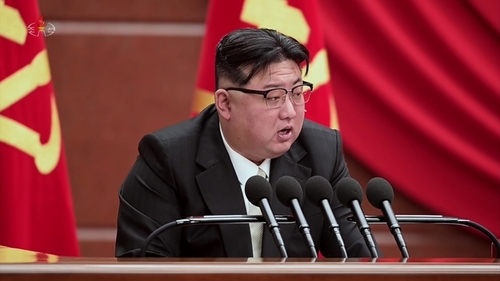
 ▲김정은 국무위원장과 딸 김주애(오른쪽). (사진=조선중앙TV 캡 ©뉴시스 |
지금 우리가 더 걱정해야 할 것은 평양의 궁중 암투가 아니라 서울-국가정보원의 정보 역량이다. 국가정보원에 휴민트(HUMINT)가 과연 살아 있는가. 정보기관의 대공 수사 기능이 약화됐다는 우려는 기우에 불과한가. 북한은 러시아와의 밀착 속에 드론·전자전 능력을 고도화하고, 사이버 전장에선 이미 상시 전쟁을 치르고 있다. 그런데 우리는 조직 개편과 권한 조정의 소용돌이 속에서 정보의 칼날을 스스로 무디게 하고 있는 건 아닌지 돌아봐야 한다.
AI 시대의 정보전은 과거와 차원이 다르다. 첫째, 오픈소스 인텔리전스(OSINT)를 체계화해야 한다. 위성 이미지, 상업용 드론 영상, 해상 AIS 데이터, 북한 매체의 미묘한 어휘 변화까지 AI로 상시 분석하는 플랫폼이 필요하다. 둘째, 휴민트는 ‘사람’의 영역이되, AI로 보강해야 한다. 탈북민 네트워크, 해외 파견 인력 동향, 북·러 군사 협력의 물류 흐름을 데이터 기반으로 연결해야 한다. 셋째, 사이버 방첩을 국가 차원의 통합 체계로 재설계해야 한다. 간첩은 국경을 넘지 않아도 된다. 서버와 암호화 메신저를 타고 이미 들어와 있다.
 ▲ 국정원 원훈석 ©브레이크뉴스 |
정보기관은 정치의 하위 부서가 아니다. 정권의 이해가 아니라 국가의 생존을 기준으로 움직여야 한다. 여야를 막론하고 정보 역량을 약화시키는 개혁은 개혁이 아니다. 투명성과 통제는 강화하되, 전문성과 기동성은 오히려 키워야 한다. 인공지능 분석관을 대폭 확충하고, 민간 AI 기업·대학 연구소와의 보안 협력 체계를 제도화해야 한다.
북한 전문가들의 빗나간 예측을 비웃는 것은 쉽다. 그러나 더 어려운 일은, 틀릴 가능성을 인정하면서도 끊임없이 데이터로 갱신하는 시스템을 만드는 일이다. 이제 정보는 ‘감(感)’이 아니라 ‘알고리즘’의 시대다.
평양의 후계 구도가 어떻게 흘러가든, 대한민국은 냉정해야 한다. 세습의 안개에 휘둘리기보다, 우리의 눈과 귀를 더 정밀하게 다듬어야 한다. AI로 무장한 정보국가 만이 불확실성의 시대를 건널 수 있다. 권력 암투의 드라마가 아니라, 보이지 않는 정보전의 승패가 우리의 내일을 좌우한다.
*필자/최인식 정치 칼럼니스트. ‘힘내라 국가정보원’ 페이스북 그룹 운영.
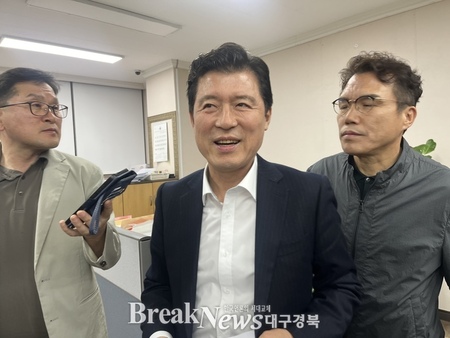
 ▲ 필자/최인식 정치 칼럼니스트. ©브레이크뉴스 |
*아래는 위 기사를 '구글 번역'으로 번역한 영문 기사의 [전문]입니다. '구글번역'은 이해도 높이기를 위해 노력하고 있습니다. 영문 번역에 오류가 있을 수 있음을 전제로 합니다.<*The following is [the full text] of the English article translated by 'Google Translate'. 'Google Translate' is working hard to improve understanding. It is assumed that there may be errors in the English translation.>
In the AI Era, What Should the National Intelligence Service (NIS) Change?
-Choi In-sik, Political Columnist
If North Korean leader Kim Jong-un officially designates his daughter Kim Ju-ae as his successor, a conflict with his aunt Kim Yo-jong could erupt. This analysis is by former First Deputy Director of the National Intelligence Service (NIS), Ra Jong-il. The British daily The Telegraph also cited the brutal precedents of North Korea's ruling family, suggesting the possibility of bloodshed.
However, I have to ask honestly: aren't these power struggle scenarios now accessible to the average person with just a few searches? The instability of North Korea's hereditary succession structure, the conflicting interests of the military and the party, and the potential for internal conflict within the Baekdu Bloodline are near-constant, having recurred for years. The issue isn't the flamboyance of predictions, but the effectiveness of intelligence.
What we should be more concerned about now is not the palace intrigue in Pyongyang, but the intelligence capabilities of Seoul and the NIS. Is the NIS truly equipped with human intelligence (HUMINT)? Are concerns that the intelligence agency's counterintelligence capabilities have weakened groundless? North Korea, in close cooperation with Russia, is advancing its drone and electronic warfare capabilities, and is already waging constant war on the cyber battlefield. Yet, amidst the whirlwind of organizational restructuring and authority adjustments, we wonder if we are blunting the edge of our intelligence.
Information warfare in the AI era is on a different level than in the past. First, open source intelligence (OSINT) must be systematized. We need a platform that continuously analyzes satellite imagery, commercial drone footage, maritime AIS data, and even subtle changes in vocabulary in North Korean media using AI. Second, human intelligence (HUMINT) must remain a "human" domain, but augmented by AI. We must connect defector networks, overseas workforce trends, and the logistics flow of North Korea-Russia military cooperation based on data. Third, cyber counterintelligence must be redesigned as a nationally integrated system. Spies don't have to cross borders. They already exist via servers and encrypted messengers.
Intelligence agencies are not subordinate to politics. They must operate based on the survival of the nation, not the interests of the regime. Regardless of political affiliation, reforms that weaken intelligence capabilities are not reform. Transparency and control should be strengthened, while expertise and mobility should be enhanced. We must significantly expand the number of AI analysts and institutionalize a security cooperation system with private AI companies and university research institutes.
It's easy to ridicule the erroneous predictions of North Korea experts. However, the more difficult task is to create a system that acknowledges the possibility of error while continuously updating with data. Information is now an era of "algorithms," not "intuition."
Regardless of how Pyongyang's succession plan unfolds, South Korea must remain calm. Rather than being swayed by the fog of hereditary succession, we must sharpen our eyes and ears. Only an information state armed with AI can navigate this age of uncertainty. Our future will be determined not by the drama of power struggles, but by the victory or defeat of the invisible information war.
*Author: Choi In-sik, political columnist. Operator of the "Cheer Up, National Intelligence Service" Facebook group.