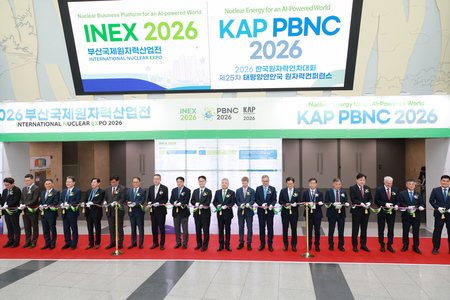
▲ 대전시청 전경 © 김정환 기자 |
대전시가 도심 대기질 개선과 시민 건강 보호를 목표로 노후 경유차와 건설기계를 대상으로 한 저공해 사업을 추진한다. 총사업비는 10억 8,100만 원 규모로, 예산이 소진될 때까지 순차적으로 집행된다.
이번 사업은 '노후차량 매연저감장치 부착, 건설기계 엔진교체, 건설기계 전동화, 전기굴착기 보급' 등 6개 세부 과제로 구성됐다. 도로 이동오염원과 산업·건설 현장의 비도로 이동오염원을 함께 관리해 초미세먼지와 질소산화물 배출을 줄이겠다는 구상이다.
우선 배출가스 5등급 경유차 25대를 대상으로 매연저감장치 부착을 지원한다. 장치 설치 비용의 90%를 시가 부담해 차종에 따라 231만 원에서 630만 원 범위 내에서 차주가 약 10%만 자부담하면 된다. 장치를 장착한 차량은 5등급 운행 제한 단속 대상에서 제외되고, 배출가스 정밀검사와 환경개선부담금이 3년간 면제된다. 다만 해당 지원은 2026년까지만 한시적으로 운영된다.
건설기계 분야 지원도 병행된다. 2004년 이전 제작된 지게차, 굴착기, 로더, 롤러 등 12대에 대해 노후 경유엔진을 신형엔진으로 교체할 경우 비용 전액을 지원하며, 한도는 최대 2,136만 원이다. 또한 2톤급 노후 경유 지게차를 전기 지게차로 개조하는 전동화 사업에는 대당 최대 3,414만 원을 투입해 개조비 전액을 보전한다.
이와 별도로 2억 2,000만 원을 들여 전기굴착기와 신규 사업인 전기지게차를 보급할 계획이다. 건설 현장의 전동화는 작업 과정에서 발생하는 배출가스를 원천적으로 차단한다는 점에서, 단순 저감장치 부착보다 구조적인 감축 효과가 기대된다.
대전시는 노후 이동오염원의 단계적 전환이 도시 대기환경 관리의 핵심 수단이라는 점에 주목하고 있다. 경유 기반 건설장비는 작업 특성상 배출 강도가 높아 도심 인접 지역의 체감 오염도를 끌어올리는 요인으로 지적돼 왔다. 따라서 엔진교체와 전동화 지원은 단기적 배출 저감과 함께 장기적 탄소중립 기반을 마련하는 이중 전략으로 해석된다.
문창용 환경국장은 노후 차량과 건설기계에서 배출되는 오염물질을 체계적으로 감축해 도심 공기질을 개선하고, 시민 건강을 보호하는 데 실질적 성과를 거두겠다는 입장을 밝혔다.
도시 대기관리 정책은 규제와 지원이 병행될 때 지속 가능성을 확보할 수 있다. 이번 사업은 재정적 인센티브를 통해 민간의 자발적 참여를 유도한다는 점에서 정책 효과를 높일 수 있는 구조다. 향후 무공해 건설장비 보급이 확대될 경우, 산업·건설 부문의 배출 감축은 물론 지역 차원의 탄소중립 이행에도 의미 있는 진전이 예상된다.
*아래는 위 기사를 '구글 번역'으로 번역한 영문 기사의 [전문]입니다. '구글번역'은 이해도를 높이기를 위해 노력하고 있습니다. 영문 번역에 오류가 있을 수 있음을 전제로 합니다.<*The following is [the full text] of the English article translated by 'Google Translate'. 'Google Translate' is working hard to improve understanding. It is assumed that there may be errors in the English translation.>
Daejeon City Begins Full-Scale Transformation of Older Vehicles and Construction Equipment to Low-Emission Vehicles, Investing Over 1 Billion Won
Support for Emission Control Devices, Engine Replacement, and Electrification in Concurrent Operations… Accelerating Carbon Neutrality in Industrial Sites through the Distribution of Zero-Emission Construction Equipment
Daejeon City is implementing a low-emission project targeting older diesel vehicles and construction equipment to improve urban air quality and protect the health of its citizens. The total project cost is 1.081 billion won, and the project will be implemented in phases until the budget is exhausted.
The project consists of six sub-projects: installing emission control devices in older vehicles, replacing engines in construction equipment, electrifying construction equipment, and distributing electric excavators. The goal is to reduce ultrafine dust and nitrogen oxide emissions by simultaneously managing both road and non-road mobile pollution sources at industrial and construction sites.
First, support will be provided for the installation of emission control devices in 25 Class 5 diesel vehicles. The city will cover 90% of the installation cost, with the owner only responsible for approximately 10%, ranging from 2.31 million won to 6.3 million won depending on the vehicle model. Vehicles equipped with the device will be exempt from Class 5 driving restrictions and exempt from exhaust gas inspections and environmental improvement fees for three years. However, this support will be temporary, lasting until 2026.
Support for the construction machinery sector will also be provided. For 12 forklifts, excavators, loaders, and rollers manufactured before 2004, the full cost of replacing old diesel engines with new ones will be covered, with a maximum limit of 21.36 million won. Furthermore, for electrification projects that convert old 2-ton diesel forklifts to electric forklifts, up to 34.14 million won per vehicle will be allocated to cover the full conversion cost.
Separately, 220 million won is planned to distribute electric excavators and, as a new business, electric forklifts. Electrification of construction sites is expected to have a more structural reduction effect than simply installing emission reduction devices, as it fundamentally blocks emissions generated during the work process.
Daejeon City is focusing on the gradual transition of aging mobile pollution sources as a key means of managing urban air quality. Diesel-powered construction equipment, due to its inherently high emissions, has been identified as a factor contributing to increased perceived pollution levels in urban areas adjacent to the city center. Therefore, engine replacement and electrification support are seen as a dual strategy: short-term emissions reductions and long-term carbon neutrality.
Director Moon Chang-yong of the Environment Bureau stated that the city will systematically reduce pollutants emitted from aging vehicles and construction equipment to improve urban air quality and achieve tangible results in protecting citizens' health.
Urban air quality management policies can be sustainable only when regulations and support are combined. This project is structured to enhance policy effectiveness by encouraging voluntary private sector participation through financial incentives. The expansion of zero-emission construction equipment is expected to lead to significant progress in reducing emissions in the industrial and construction sectors as well as achieving carbon neutrality at the regional level.
원본 기사 보기:브레이크뉴스대전세종충청