▲ '경계선지능 학생' 지역사회 협력 지원체계=대전시교육청 제공 © 정지완 기자 |
대전광역시교육청이 학습과 학교생활 적응에 어려움을 겪는 경계선지능 학생을 체계적으로 지원하기 위해 ‘2026학년도 경계선지능 학생 지원 계획’을 수립하고 실행 단계에 들어갔다. 평균 지능 범주에 속하지는 않지만 지적장애 기준에도 해당하지 않는 경계선지능 학생은 학업 성취, 또래 관계, 정서 발달 전반에서 취약성을 보이기 쉬워 조기 발견과 개입이 핵심 과제로 지적돼 왔다.
이번 계획의 특징은 기존 신청 위주 지원에서 벗어나 전수조사 기반의 선제적 발굴 체계로 전환했다는 점이다. 특히 개입 효과가 큰 초등학교 저학년을 정책의 중심에 두고, 초등학교 2학년을 대상으로 간편 체크리스트를 활용한 선별 조사를 실시한다. 위험군으로 분류된 학생은 보호자 동의를 거쳐 교육지원청 학습종합클리닉센터의 심층진단으로 연계된다.
진단 결과 경계선지능으로 확인된 학생에게는 학습 보완, 심리 안정, 정서 조절을 통합한 맞춤형 프로그램이 제공된다. 이를 위해 학습종합클리닉센터를 축으로 지역 전문기관, 자치구, 한국교원대학교 등과 협력망을 구축했다. 학교 단위 지원만으로 한계가 있는 경우에는 초·중학생을 대상으로 대전기초학력지원센터의 1대1 멘토링을 운영하고, 고등학생에게는 대전사회서비스원과 연계한 정서·진로·직업교육 프로그램을 제공해 성장 경로를 다층적으로 설계한다.
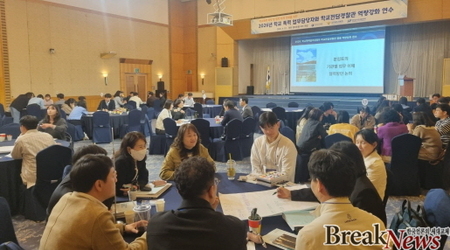
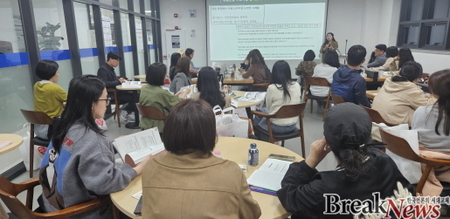
교원 역량 강화도 병행된다. 현장 교사를 위한 연수와 워크숍을 통해 경계선지능 특성에 대한 이해를 높이고 교수·학습 전략을 공유한다. 보호자를 대상으로 한 상담과 양육 코칭 프로그램을 마련해 가정과 학교의 협력 구조를 촘촘히 한다는 구상이다. 연말에는 성과공유회와 만족도 조사를 실시해 정책 효과를 점검하고, 현장 의견을 다음 연도 계획에 반영함으로써 실행력을 보완할 방침이다.
설동호 교육감은 경계선지능 학생이 적기에 적절한 지원을 받을 수 있도록 조기 발견과 맞춤형 지원체계를 정비했다는 점을 강조하며, 학교와 가정, 지역사회가 함께하는 책임교육을 지속하겠다는 방향을 제시했다.
교육계에서는 경계선지능 학생에 대한 체계적 지원이 학습 결손의 누적을 방지하고 중도 탈락 위험을 낮추는 예방적 정책으로 기능할 수 있다고 본다. 특히 초등 저학년 단계에서의 선별과 집중 개입은 학업 자존감 회복과 사회적 관계 형성에 긍정적 영향을 미친다는 점에서 정책적 타당성이 높다. 다만 선별 과정의 낙인 효과를 최소화하고, 진단 이후 장기적 추적 관리 체계를 어떻게 안정적으로 운영할 것인지가 향후 과제로 남는다.
이번 계획은 ‘한 명의 아이도 놓치지 않는 책임교육’이라는 기조 아래 경계선지능 학생을 교육 안전망 안으로 포섭하려는 시도라는 점에서 의미가 있다. 조기 진단과 통합적 지원, 지역사회 협력이라는 세 축이 현장에서 실효성을 확보할 수 있을지 주목된다.
*아래는 위 기사를 '구글 번역'으로 번역한 영문 기사의 [전문]입니다. '구글번역'은 이해도를 높이기를 위해 노력하고 있습니다. 영문 번역에 오류가 있을 수 있음을 전제로 합니다.<*The following is [the full text] of the English article translated by 'Google Translate'. 'Google Translate' is working hard to improve understanding. It is assumed that there may be errors in the English translation.>
Daejeon Metropolitan Office of Education Launches 'Support Plan for Students with Borderline Intelligence'
Linking Screening and In-Depth Diagnosis for All Second-Grade Elementary School Students... Establishing a Customized System Comprehensive on Learning, Emotions, and Career Development
The Daejeon Metropolitan Office of Education has established and begun implementing the '2026 School Year Support Plan for Students with Borderline Intelligence' to systematically support students with borderline intelligence who face challenges adapting to school life and learning. Students with borderline intelligence, who fall below the average intelligence range but do not meet the criteria for intellectual disability, are prone to vulnerabilities in academic achievement, peer relationships, and emotional development. Therefore, early detection and intervention have been identified as key priorities.
This plan shifts away from the previous application-based support system and shifts to a proactive, comprehensive screening system. The plan focuses on lower grades in elementary school, where intervention is most effective. Second-grade students will be screened using a simple checklist. Students classified as at-risk will be referred to the Office of Education's Learning Clinic Center for in-depth assessments, with parental consent.
Students diagnosed with borderline intelligence will receive a customized program that integrates learning support, psychological stability, and emotional regulation. To achieve this, a collaborative network has been established with regional specialized organizations, autonomous districts, and Korea National University of Education, centered around the Learning Comprehensive Clinic Center. In cases where school-level support alone is limited, one-on-one mentoring is provided by the Daejeon Basic Academic Support Center for elementary and middle school students. High school students will also receive emotional, career, and vocational education programs in conjunction with the Daejeon Social Service Center, providing a multi-layered growth path.
Teacher capacity building is also being implemented. Training and workshops for field teachers will enhance understanding of the characteristics of borderline intelligence and share teaching and learning strategies. Counseling and parenting coaching programs for guardians will also be established to strengthen the collaborative structure between home and school. At the end of the year, a performance sharing session and satisfaction survey will be conducted to assess the effectiveness of the policy. Feedback from the field will be incorporated into the next year's plan to enhance implementation.
Superintendent Seol Dong-ho emphasized the early detection and customized support system established to ensure that students with borderline intelligence receive timely and appropriate support. He also proposed a continued commitment to responsible education, a partnership between schools, families, and the community.
The education community believes that systematic support for students with borderline intelligence can serve as a preventative measure, preventing the accumulation of learning deficits and reducing the risk of dropping out. In particular, screening and intensive intervention in the early elementary grades have a strong policy validity, as they positively impact academic self-esteem and the formation of social relationships. However, future challenges remain, including how to minimize the stigma associated with the screening process and how to ensure a stable long-term follow-up system after diagnosis.
This plan is significant in that it attempts to incorporate students with borderline intelligence into the educational safety net, under the motto of "responsible education that leaves no child behind." It remains to be seen whether the three pillars of early diagnosis, integrated support, and community collaboration will be effective in the field.
원본 기사 보기:브레이크뉴스대전세종충청