【브레이크뉴스 경북】이성현 기자=경북테크노파크가 중소벤처기업부 지역특화산업육성(비R&D) ‘2026년 시군구연고산업육성사업(부처협업 프로젝트)’의 일환으로 추진 중인 ‘e-모빌리티부품 산업 생태계 고도화를 위한 기술지원 사업’과 연계해 지역 특성화고와 업무협약(MOU)을 체결했다고 20일 밝혔다.
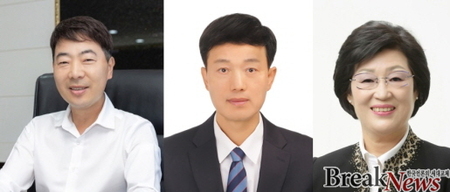
 ▲ 왼-신라공업고등학교 한보승 교장, 오-경북TP 미래차탄소중립대응실 이재진 실장 © 경북테크노파크 |
이번 협약은 경주시 e-모빌리티 산업의 지속가능한 성장을 위해 산업과 교육을 연계한 인재양성 체계를 구축하고, 기업 기술 고도화를 동시에 추진하기 위해 마련됐다.
해당 사업은 경주시를 과제지역으로 2026년부터 2027년까지 2년간 추진되며, 총 14억3,200만 원(국비 10억 원, 지방비 4억3,200만 원)이 투입된다.
경주시는 자동차 및 트레일러 제조업 입지계수 5.89를 기록하는 등 자동차부품 산업 집적도가 높은 지역으로, 경북 자동차부품 제조업체의 43.4%가 밀집해 있다. 이에 따라 미래차 산업 전환의 핵심 거점으로 평가받고 있다. 다만 글로벌 전기차 시장 성장 둔화와 대외 통상환경 변화, 내연기관 중심 산업구조 등으로 산업 전환 압박이 커지고 있어 e-모빌리티부품 중심의 기술 고도화와 사업화 지원이 시급한 상황이다.
경북테크노파크는 이번 사업을 통해 ▲시제품 제작 ▲제품 고급화 ▲시험·인증 지원 ▲특허 및 공백기술 도출 ▲패키지 지원 등 기업 맞춤형 기술지원 프로그램을 단계적으로 운영할 계획이다. 이를 통해 2년간 매출 60억 원 창출과 신규 고용 28명 달성을 목표로 하고 있다.
특히 이번 협약은 단순 기업지원 차원을 넘어, 경주 AI 및 e-모빌리티 산업과 연계한 ‘정주형 인재양성 모델’ 구축에 방점을 두고 있다.
경주시는 최근 5년간 인구 감소가 지속되고 고령 인구 비중이 높아 지방소멸 대응이 중요한 과제로 떠오르고 있다. 동시에 외국인 근로자와 유학생 유입이 증가하면서 숙련 기능인력의 지역 정착을 위한 정책 연계 필요성도 커지고 있다.
이에 따라 경북테크노파크는 특성화고 및 지역 산업체와 협력해 ▲산업 수요 기반 교육과정 운영 ▲현장실습 확대 ▲일·학습병행 연계 프로그램 개발 ▲산·학·연·관 협력 거버넌스 구축 등을 병행 추진할 방침이다.
하인성 경북테크노파크 원장은 “e-모빌리티 전환은 선택이 아닌 필수”라며 “기업 기술 고도화와 인재 양성, 정주 지원을 아우르는 통합형 산업 생태계 모델을 구축해 경주를 경북 남부권 e-모빌리티 산업 거점으로 육성하겠다”고 말했다.
<구글 번역으로 번역한 영문 기사의 전문 입니다. 번역에 오류가 있을 수 있음을 밝힙니다.>
Gyeongbuk Technopark Launches Industry-Academic Collaboration to Advance Gyeongju's E-Mobility Industry
Gyeongbuk Technopark announced on the 20th that it signed a Memorandum of Understanding (MOU) with a local specialized high school in connection with the "Technical Support Project for Advancing the E-Mobility Parts Industry Ecosystem," which is part of the Ministry of SMEs and Startups' "2026 City, County, and District-Based Industry Promotion Project (Ministry Collaboration Project)" for regional specialized industry promotion (non-R&D).
This agreement aims to establish a talent development system that links industry and education to ensure the sustainable growth of Gyeongju's e-mobility industry and simultaneously promote technological advancements for companies.
The project, targeting Gyeongju City as the target area, will run for two years from 2026 to 2027, with a total investment of KRW 1.432 billion (KRW 1 billion from the national government and KRW 432 million from local governments).
Gyeongju City boasts a high concentration of the automotive parts industry, boasting a location coefficient of 5.89 for the automobile and trailer manufacturing industry. It is home to 43.4% of Gyeongbuk's automotive parts manufacturers. Consequently, the city is considered a key hub for the future vehicle industry transition. However, the slowing growth of the global electric vehicle market, changes in the external trade environment, and the industry's reliance on internal combustion engines are increasing pressure for industrial transformation. Therefore, support for technological advancement and commercialization, particularly in e-mobility components, is urgently needed.
Through this project, Gyeongbuk Technopark plans to implement a phased, customized technical support program for companies, including prototype production, product sophistication, testing and certification support, patent and technology identification, and packaging support. The goal is to generate KRW 6 billion in sales and create 28 new jobs over two years.
Notably, this agreement goes beyond simple corporate support and focuses on establishing a "residential talent development model" linked to Gyeongju's AI and e-mobility industries.
Gyeongju City has experienced a persistent population decline over the past five years and a high proportion of elderly residents, making countermeasures to regional extinction a critical challenge. At the same time, the increasing influx of foreign workers and international students has heightened the need for policy coordination to foster the local settlement of skilled workers.
Consequently, Gyeongbuk Technopark plans to collaborate with specialized high schools and local industries to: ▲operate industry-demand-based curricula; ▲expand on-the-job training; ▲develop work-study programs; and ▲establish a collaborative governance structure among industry, academia, research institutes, and government.
Ha In-seong, Director of Gyeongbuk Technopark, stated, "The transition to e-mobility is not an option, but a necessity. We will establish an integrated industrial ecosystem model that encompasses corporate technological advancement, talent development, and settlement support to foster Gyeongju as a hub for the e-mobility industry in southern Gyeongbuk."
원본 기사 보기:브레이크뉴스 대구경북