▲ 경기도 도청[제공=경기도] © |
이제 경기도민이라면 거동이 불편하더라도 정든 집을 떠나 요양병원이나 시설에 입소해야 할 걱정을 크게 덜게 됐다. 경기도가 2026년 3월 시행 예정인 이른바 ‘돌봄통합지원법’에 발맞추어, 전국 지자체 중 가장 선제적으로 도내 31개 모든 시군에 ‘장기요양 재택의료센터’ 설치를 완료했기 때문이다.
이번 정책의 핵심은 노인이나 장애인 등 돌봄이 필요한 사람들이 병원이나 시설에 가지 않고도 원래 살던 집과 동네에서 의료와 요양 서비스를 통합적으로 받는 것이다. 소위 ‘에이징 인 플레이스(Aging in Place)’, 즉 살던 곳에서 건강하게 나이 들어가는 환경을 조성하는 것이 목적이다. 이를 위해 의사와 간호사, 사회복지사가 하나의 팀을 구성해 환자의 가정을 직접 방문하며, 진료는 물론 필요한 복지 서비스까지 꼼꼼하게 연계하는 체계를 마련했다.
구체적인 이용 대상은 거동이 불편해 병원 방문이 어렵고, 장기요양 등급(1~5등급, 인지지원등급)을 받은 도민이 주축이다. 서비스 항목은 단순히 약을 처방하는 수준을 넘어선다. 의사가 정기적으로 방문해 질환을 관리하는 방문 진료, 간호사가 욕창 관리나 드레싱 등을 수행하는 방문 간호, 그리고 사회복지사가 지역 내 가사 지원이나 돌봄 서비스를 연결해 주는 사례 관리가 통합적으로 이루어진다.
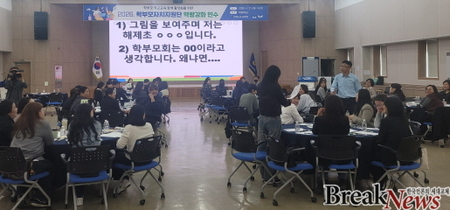
경기도는 이러한 인프라 구축에 그치지 않고 실제 현장의 운영 내실을 기하는 데도 집중하고 있다. 지난 22일 서울 aT센터에서 열린 설명회에는 도내 재택의료센터 원장과 의료진, 행정 담당자 등 130여 명이 참석해 뜨거운 관심을 보였다. 이 자리에서는 초기 운영 설정 노하우부터 복잡한 수가 청구 방식까지 현장에서 즉시 활용할 수 있는 실무 중심의 안내가 이루어졌으며, 질의응답을 통해 실제 운영 과정에서 겪는 애로사항을 직접 공유하며 제도의 완성도를 높였다.
앞으로 경기도는 이번 설명회를 시작으로 현장 맞춤형 교육과 운영 컨설팅을 지속적으로 추진할 계획이다. 보건소와 의료기관, 그리고 돌봄기관 사이의 협력 체계를 더욱 단단하게 다져서, 법이 시행되는 시점에는 제도와 현장이 유기적으로 작동하는 완벽한 통합돌봄 모델을 완성한다는 방침이다.
유영철 경기도 보건건강국장은 "돌봄통합지원법 시행을 앞두고 재택의료는 이제 선택이 아닌 필수"라고 강조하며, "도민들이 병원이 아닌 자신의 집에서 안심하고 의료와 돌봄을 받으며 건강한 삶을 이어갈 수 있도록 선제적이고 책임 있는 정책 지원을 이어가겠다"고 밝혔다.
아래는 위 기사를 ‘Google 번역’으로 번역한 영문 기사의 ‘전문’이다. ‘Google 번역’은 이해도를 높이기 위해 노력하고 있다. 영문 번역에 오류가 있을 수 있음을 전제로 한다. <*The following is [the full text] of the English article translated by ‘Google Translate’ and amended. ‘Google Translate’ is working hard to improve understanding. It is assumed that there may be errors in the English translation.>
"Even if you're sick, come home instead of going to the hospital"... Gyeonggi Province ushering in an era of "home healthcare" in 31 cities and counties
Ahead of the implementation of the "Integrated Care Support Act" in 2026, Gyeonggi Province becomes the first in the nation to complete the installation of these centers in all cities and counties.
Now, Gyeonggi Province residents, even those with mobility issues, can significantly ease the worry of having to leave their homes and enter nursing hospitals or facilities. This is because Gyeonggi Province has been the most proactive among local governments nationwide in establishing "home healthcare centers" in all 31 cities and counties, in line with the "Integrated Care Support Act," scheduled to take effect in March 2026.
The core of this policy is to enable seniors, people with disabilities, and others in need of care to receive integrated medical and nursing services in their own homes and neighborhoods, without having to visit hospitals or facilities. The goal is to create an environment for healthy aging, a concept known as "aging in place." To achieve this, a team of doctors, nurses, and social workers has established a system that allows patients to visit their homes and provide thorough guidance, including treatment and necessary welfare services.
The primary target group is residents with mobility difficulties who have difficulty visiting hospitals and who are eligible for long-term care (Levels 1-5, cognitive support). The service offerings extend beyond simply prescribing medication. It offers integrated services, including regular doctor visits to manage medical conditions, home nursing care provided by nurses for pressure ulcer management and dressings, and case management by social workers to connect patients with local home care and care services.
Gyeonggi Province is not only establishing this infrastructure but is also focusing on ensuring the effectiveness of its operations. An informational session held at the aT Center in Seoul on the 22nd drew enthusiastic interest from approximately 130 people, including directors, medical staff, and administrative staff from home care centers in the province. This event provided practical guidance, immediately applicable to the field, from initial operational setup know-how to complex billing procedures. Through a Q&A session, participants directly shared challenges encountered during actual operation, further enhancing the system's effectiveness.
Gyeonggi Province plans to continue to provide customized training and operational consulting, starting with this briefing session. The goal is to further strengthen the collaborative system between public health centers, medical institutions, and care providers, thereby achieving a fully integrated care model where the system and practice work together seamlessly when the law takes effect.
Yoo Young-cheol, Director of the Gyeonggi Province Health and Welfare Bureau, emphasized, "With the implementation of the Integrated Care Support Act, home healthcare is no longer an option but a necessity." He added, "We will continue to provide proactive and responsible policy support so that residents can safely receive medical care and care in their own homes, rather than hospitals, and lead healthy lives."
원본 기사 보기:경기브레이크뉴스&주간현대신문