브레이크뉴스 김충열 정치전문기자 = 정부가 2026년을 대한민국 에너지 시스템의 판도를 바꿀 ‘차세대 분산형 전력망’ 구축의 원년으로 선포했다. 대규모 발전소에서 일방향으로 전기를 보내던 과거의 틀을 깨고, 지역에서 생산한 에너지를 지역에서 소비하는 ‘지산지소(地産地消)’형 지능형 전력 시스템으로의 대전환이 본격화된다.
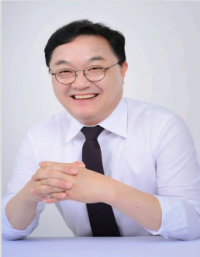
 ▲ 김성환 장관은 “탄소중립은 미래 세대를 향한 책임 있는 약속”이라며 “대한민국이 세계적인 분산형 전력망의 모범 사례가 될 수 있도록 기후부가 흔들림 없이 에너지 대전환의 길을 열어가겠다”고 약속했다. © 사진, 김성환 장관 SNS에서 캡춰/ 김충열 정치전문기자 |
김성환 기후에너지환경부 장관은 20일 서울 중구 롯데호텔에서 열린 ‘분산형 전력망 포럼’에 참석해 “올해를 차세대 분산형 전력망 구축의 원년으로 삼아 탄소중립 맞춤형 전력망을 향한 질주를 시작하겠다”고 밝혔다.
■ ‘지산지소’ 전력망으로 체질 개선…국비 3,210억 투입
기후에너지환경부는 올해 약 3,210억 원의 예산을 투입해 배전망 혁신에 나선다. 차세대 분산형 전력망은 태양광, 풍력 등 재생에너지의 변동성을 유연하게 포용할 수 있도록 설계된다.
그동안 대형 발전소 중심의 송전망 운영에 치우쳤던 전력 체계를 배전망 중심으로 전환하는 것이 핵심이다. 이를 위해 정부는 한국전력을 배전망 운영자(DSO, Distribution System Operator)로 전환하고, 동적 제어가 가능한 지능형 운영 체계를 구축할 방침이다.
■ ESS 대폭 확대 및 시장 제도 개편
전력 공급의 안정성을 높이기 위한 유연성 자원 확보에도 박차를 가한다. 정부는 에너지저장장치(ESS)를 배전망에 대폭 보급해 태양광 발전 등의 출력 제어 한계를 극복할 계획이다.
또한, 가격 신호에 따라 수요와 공급이 유동적으로 조정되는 새로운 시장 제도를 도입해 민간 투자를 활성화한다. 김성환 장관은 “전력망을 바꾸는 일은 단순한 설비 확충을 넘어 미래 산업 경쟁력을 다시 설계하는 일”이라며 시장 구조 개편의 중요성을 강조했다.
■ K-그리드 인재·창업 밸리 조성
에너지 대전환을 뒷받침할 인재 양성 생태계도 구축된다. 전남 나주의 한국에너지공대(KENTECH)를 중심으로 광주과학기술원(GIST), 전남대 등이 힘을 합쳐 전력망 혁신 허브를 조성한다. 이곳에서는 대학생들이 단순히 이론을 배우는 데 그치지 않고, 대기업 및 스타트업과 협업해 재생에너지 예측 AI나 차세대 ESS 기술을 직접 개발하고 창업까지 이어가는 생태계가 만들어진다. 한국에너지공대를 중심으로 ‘K-그리드 인재·창업 밸리’를 조성해 차세대 전력망 분야의 혁신 스타트업을 육성하고 글로벌 경쟁력을 갖춘 전문 인력을 배출할 계획이다.
김성환 장관은 “탄소중립은 미래 세대를 향한 책임 있는 약속”이라며 “대한민국이 세계적인 분산형 전력망의 모범 사례가 될 수 있도록 기후부가 흔들림 없이 에너지 대전환의 길을 열어가겠다”고 약속했다.
결론적으로, 김 장관이 야심차게 이끌고 있는 차세대 전력망은 거대한 발전소에 의존하던 시대를 끝내고, 우리 집 옥상과 옆 동네 풍력 발전기가 만드는 전기를 우리 마을에서 가장 효율적으로 나눠 쓰는 '에너지 민주주의'의 시작이라고 볼 수 있다. hpf21@naver.com
*아래는 위 기사를'구글 번역'으로 번역한 영문 기사의[전문]입니다. '구글번역'은 이해도 높이기를 위해 노력하고 있습니다.영문 번역에 오류가 있을 수 있음을 전제로 합니다.*The following is [the full text] of the English article translated by 'Google Translate'. 'Google Translate' is working hard to improve understanding. It is assumed that there may be errors in the English translation.
Minister of Climate Change Kim Sung-hwan: "2026, the First Year of Establishing a Next-Generation Distributed Power Grid…Accelerating the Great Energy Transition"
Restructuring from Large-Scale Power Plants to a 'Local-Small Intelligent Power Grid'
Converting KEPCO to a Distribution System Operator (DSO)…Promoting ESS Distribution and K-Grid Talent Development
Break News, Political Reporter Kim Choong-Lyoul = The government has declared 2026 as the first year of establishing a "next-generation distributed power grid," which will transform the landscape of South Korea's energy system. Breaking the mold of the past, where electricity was distributed one-way from large power plants, a major shift toward a "locally produced, locally consumed" intelligent power system will begin in earnest.
Minister of Climate, Energy and Environment Kim Sung-hwan attended the "Distributed Power Grid Forum" held at the Lotte Hotel in Jung-gu, Seoul on the 20th and announced, "We will mark this year as the first year of establishing a next-generation distributed power grid and begin the race toward a carbon-neutral, customized power grid."
■ Investing KRW 321 billion in government funds to improve power grid structure through 'Jisanjiso' (local distribution)
The Ministry of Climate, Energy and Environment will invest approximately KRW 321 billion this year to innovate the power distribution network. The next-generation distributed power grid will be designed to flexibly accommodate the fluctuations of renewable energy sources such as solar and wind power.
The key is to shift the power system, which has traditionally relied on transmission networks centered around large power plants, to a distribution network-centric approach. To achieve this, the government plans to transform Korea Electric Power Corporation (KEPCO) into a Distribution System Operator (DSO) and establish an intelligent operating system capable of dynamic control.
■ Significant Expansion of ESS and Reform of Market Systems
The government will also accelerate the acquisition of flexible resources to enhance power supply stability. The government plans to significantly deploy energy storage systems (ESS) in the distribution grid to overcome the limitations of output control for solar power generation and other sources.
Furthermore, it will introduce a new market system that dynamically adjusts supply and demand based on price signals to stimulate private investment. Minister Kim Sung-hwan emphasized the importance of market restructuring, saying, "Changing the power grid goes beyond simply expanding facilities and involves redesigning future industrial competitiveness."
■ Creation of the K-Grid Talent and Startup Valley
A talent development ecosystem will also be established to support the energy transition. Centered around the Korea Institute of Energy Technology (KENTECH) in Naju, South Jeolla Province, the Gwangju Institute of Science and Technology (GIST) and Chonnam National University will collaborate to create a power grid innovation hub. This hub will enable university students to go beyond simply learning theory and collaborate with large corporations and startups to develop renewable energy prediction AI and next-generation ESS technologies, ultimately leading to entrepreneurship. The "K-Grid Talent and Startup Valley," centered around KENTECH, will foster innovative startups in the next-generation power grid sector and cultivate globally competitive professionals.
Minister Kim Sung-hwan stated, "Carbon neutrality is a responsible promise to future generations," and pledged, "The Ministry of Climate Change will steadfastly pave the way for the energy transition so that Korea can become a global model for decentralized power grids."
In conclusion, the next-generation power grid ambitiously spearheaded by Minister Kim can be seen as the beginning of "energy democracy," ending the era of reliance on massive power plants and enabling our villages to share the electricity generated by our rooftops and the wind turbines in the neighborhood as efficiently as possible. hpf21@naver.com