【브레이크뉴스 경북】이성현 기자=경상북도농업기술원은 농촌진흥청이 지정한 ‘2026년 우수 치유농업시설 인증 사업장’에 도내 치유농장 7개소가 최종 선정됐다고 3일 밝혔다.
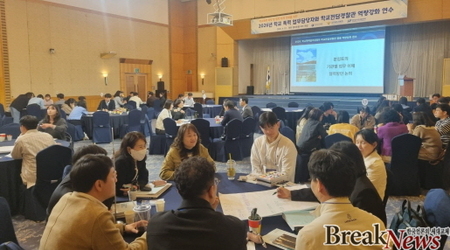
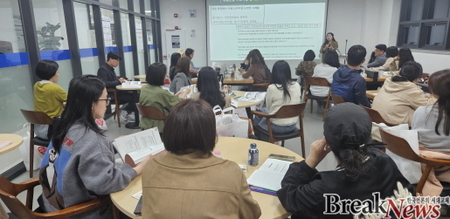
 ▲ 치유농업시설 운영자 교육 © 경북도 |
‘우수 치유농업시설 인증’은 '치유농업 연구개발 및 육성에 관한 법률' 제15조에 근거해, 이용자의 치유 효과와 안전성을 고려해 적합하게 조성된 시설에 부여하는 제도로 2026년부터 본격 시행된다.
이번에 선정된 농장은 포항시 ‘소풍’, 경산시 ‘라온혜윰 치유농장’, 청송군 ‘고마움’, 성주군 ‘이풀 치유농장’ 등이다.
경북농업기술원은 지난해 신규사업으로 ‘우수 치유농업시설 품질인증 기준모델 육성’을 중점 추진하며 인증제 도입에 선제적으로 대응해 왔다. 그 결과 사업 대상자였던 청송 ‘고마움’ 등 3개소가 모두 인증을 획득하는 성과를 거뒀다.
이와 함께 매년 치유농업시설 운영자의 전문성 강화를 위해 ‘치유농업 시설 운영자 과정’을 운영하고 있다. 올해 교육은 2월 26일부터 7월 17일까지 총 21회, 155시간에 걸쳐 이론과 실습을 병행한 통합과정으로 진행된다.
교육 내용은 ▲치유농업의 이해 ▲시설 준비 및 환경 조성 ▲프로그램 기획·운영 ▲안전·위생관리 등 기본 역량을 비롯해 ▲특수 목적형 치유농업 운영 ▲유관기관 연계 실습 등 심화과정까지 포함한다. 이를 통해 참여 농업인들은 치유 프로그램을 전문적으로 설계·운영할 수 있는 실무 역량을 갖추게 된다.
농촌진흥청(2025년)에 따르면 치유농업 참여 시 스트레스는 평균 15.1% 감소하고, 우울감은 19.4% 줄어드는 것으로 나타났다. 자아존중감은 14.3%, 대인관계는 13% 향상되는 등 건강 개선 효과도 확인됐다.
조영숙 경상북도농업기술원 원장은 “치유농업은 스트레스 완화와 자아존중감 향상 등 실질적인 건강 개선 효과가 있는 만큼 서비스의 신뢰성과 전문성이 중요하다”며 “체계적인 교육과 지원을 통해 우수 치유농업시설을 지속적으로 육성하겠다”고 밝혔다.
한편, 기술원은 2022년 전국 최초로 ‘치유농업센터’를 구축해 전문 인력 양성과 치유농업시설 육성에 힘써왔다. 교육청, 광역치매센터 등 교육·사회복지기관과의 연계를 통해 치유 서비스 확산과 산업 기반 조성에 주력하고 있다.
아울러 올해는 경북행복재단과 협력해 경산시와 성주군을 중심으로 정신·발달장애인 등 돌봄이 필요한 주민을 대상으로 치유농업 서비스를 제공할 계획이다.
<구글 번역으로 번역한 영문 기사의 전문 입니다. 번역에 오류가 있을 수 있음을 밝힙니다.>
Seven Healing Farms in Gyeongbuk Receive First Certification as "Excellent Healing Farms"… Strengthening Service Reliability
The Gyeongsangbuk-do Agricultural Research and Extension Services announced on the 3rd that seven healing farms in the province have been selected as "2026 Certified Healing Farms" by the Rural Development Administration.
The "Excellent Healing Farm Certification" system, based on Article 15 of the "Act on Research, Development, and Promotion of Healing Farms," grants facilities appropriately constructed to ensure the healing effects and safety of users. This designation will be fully implemented starting in 2026.
The farms selected this time include "Sopung" in Pohang, "Laon Hyeyum Healing Farm" in Gyeongsan, "Gomaum" in Cheongsong, and "Ipul Healing Farm" in Seongju.
Last year, the Gyeongsangbuk-do Agricultural Research and Extension Services proactively responded to the introduction of a certification system by focusing on the "Development of a Standard Model for Quality Certification of Excellent Healing Farms" as a new project. As a result, all three sites, including "Gomaum" in Cheongsong, which were the project targets, achieved certification.
Furthermore, the "Healing Agriculture Facility Operator Course" is offered annually to enhance the expertise of operators of healing agriculture facilities. This year's training, which will be held from February 26 to July 17, will consist of 21 sessions, totaling 155 hours, and is an integrated course combining theory and practice.
The training content includes basic competencies such as ▲understanding healing agriculture ▲facility preparation and environmental management ▲program planning and operation ▲safety and hygiene management, as well as advanced courses such as ▲operation of special-purpose healing agriculture ▲training in collaboration with related organizations. Through this program, participating farmers will gain the practical skills to professionally design and operate healing programs.
According to the Rural Development Administration (2025), participation in healing agriculture reduces stress by an average of 15.1% and depression by 19.4%. Health improvements were also confirmed, including a 14.3% increase in self-esteem and a 13% increase in interpersonal relationships.
Cho Young-sook, Director of the Gyeongsangbuk-do Agricultural Research and Extension Services, stated, "Therapeutic agriculture has tangible health benefits, including stress relief and improved self-esteem, so service reliability and expertise are crucial." She added, "We will continue to foster excellent therapeutic agriculture facilities through systematic education and support."
Meanwhile, the Agricultural Research and Extension Services established the nation's first "Therapeutic Agriculture Center" in 2022 and has been working to cultivate specialized personnel and foster therapeutic agriculture facilities. Through collaborations with education and social welfare organizations, such as the Office of Education and the Metropolitan Dementia Center, the Agricultural Research and Extension Services are focusing on expanding therapeutic services and establishing an industrial foundation.
Furthermore, this year, in collaboration with the Gyeongbuk Happiness Foundation, the Agricultural Research and Extension Services plan to provide therapeutic agriculture services to residents in need of care, including those with mental and developmental disabilities, primarily in Gyeongsan City and Seongju County.
원본 기사 보기:브레이크뉴스 대구경북