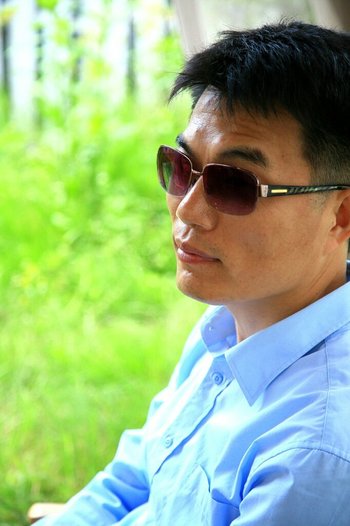
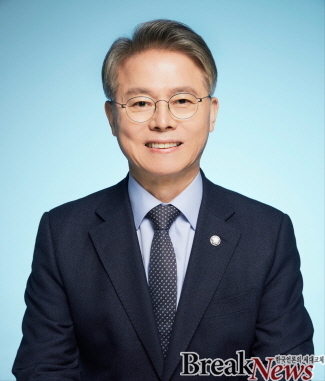
▲ 노치환 경남도의원 |
[브레이크뉴스=박찬호 기자] 지방자치단체 간 재정 격차를 완화하기 위한 지방교부세 제도 개선 요구가 경남도의회에서 제기됐다. 변화한 지방 행정 환경을 반영해 교부세 산정 방식 전반을 점검해야 한다는 주장이다.
노치환 경남도의원은 지방자치단체 재정 형평성을 높이기 위한 지방교부세 산정구조 개선 촉구 건의안을 대표 발의했다. 이번 건의안은 정부가 지방교부세 산정 기준을 재검토해 지역별 행정 여건을 보다 정확히 반영하도록 요구하는 내용을 담고 있다.
지방교부세는 지역 간 재정력 차이를 조정하고 균형발전을 지원하기 위해 국가가 지방자치단체에 배분하는 재원이다. 이 가운데 보통교부세는 각 지자체의 재정 수요와 수입을 비교해 부족한 재원을 보전하는 방식으로 배분되며 지방 행정 운영의 핵심 기반으로 활용된다.
그러나 지방 행정 환경은 최근 급격한 변화를 겪고 있다. 고령화와 인구 감소가 동시에 진행되고 복지 수요가 늘어나면서 행정비용 부담이 커지고 있지만, 현행 교부세 산정 기준이 이러한 변화를 충분히 반영하지 못하고 있다는 지적이 제기돼 왔다.
노 의원은 특히 경남의 경우 기준재정수입이 상대적으로 높게 평가되면서 실제 재정 부족 규모가 충분히 반영되지 않는 구조적 문제가 있다고 설명했다. 산업과 농어업 기반이 공존하고 해양·관광 인프라 관리 부담이 큰 지역 특성이 교부세 산정 항목에 충분히 반영되지 않는다는 것이다.
건의안에는 ▲기준재정수요 산정 지표의 현실 반영 여부 점검 ▲기준재정수입 산정 방식과 조정계수에 대한 객관적 분석 ▲농어촌 및 중소도시의 행정비용과 생활SOC 유지 부담 반영 ▲지방교부세 제도 전반에 대한 중장기 개선 방안 마련 등의 내용이 포함됐다.
노 의원은 “지방교부세는 지방 재정의 형평성과 안정성을 동시에 좌우하는 중요한 제도”라며 “지방자치단체가 처한 실제 행정 환경이 제대로 반영될 수 있도록 정부 차원의 종합적인 제도 검토가 필요하다”고 말했다.
한편 이번 건의안은 경상남도의회 제430회 임시회 기획행정위원회 심사를 거쳐 오는 3월 19일 열리는 본회의에서 최종 의결될 예정이다.
*아래는 위 기사를 '구글 번역'으로 번역한 영문 기사의 [전문]입니다. '구글번역'은 이해도 높이기를 위해 노력하고 있습니다. 영문 번역에 오류가 있을 수 있음을 전제로 합니다.
*Below is the full text of the English article translated by Google Translate. 'Google Translate' strives to improve understanding. It assumes that there may be errors in the English translation.
A call for reforming the local allocation tax system to alleviate financial disparities between local governments has been raised in the Gyeongnam Provincial Council. They argue that the entire allocation tax calculation method should be reviewed to reflect the changing local administrative environment.
Gyeongnam Provincial Council Member Noh Chi-hwan sponsored a motion urging the government to improve the local allocation tax calculation structure to enhance fiscal equity among local governments. This motion calls on the government to reexamine the local allocation tax calculation criteria to more accurately reflect regional administrative conditions.
Local allocation taxes are a source of funding allocated by the state to local governments to balance regional fiscal capacity and support balanced development. Among these, general allocation taxes are allocated based on a comparison of each local government's financial needs and revenues, supplementing any shortfalls and serving as a core foundation for local administrative operations.
However, the local administrative environment has recently undergone rapid change. The simultaneous aging and population decline, coupled with increasing welfare demand, are leading to increasing administrative costs. However, criticism has been raised that the current allocation tax calculation criteria do not adequately reflect these changes.
Representative Roh explained that Gyeongnam, in particular, faces a structural problem: its relatively high base fiscal revenue is not sufficiently reflected in the actual size of its fiscal deficit. He argued that the regional characteristics, such as the coexistence of industry, agriculture, and fisheries, and the significant burden of managing maritime and tourism infrastructure, are not adequately reflected in allocation tax calculation items.
The proposal includes: ▲ an examination of whether the indicators used to calculate base fiscal demand reflect reality; ▲ an objective analysis of the base fiscal revenue calculation method and adjustment coefficients; ▲ reflection of administrative costs and the burden of maintaining social infrastructure in rural and fishing villages and small and medium-sized cities; and ▲ development of mid- to long-term improvement plans for the overall local allocation tax system.
Representative Roh stated, "Local allocation tax is a critical system that determines both the equity and stability of local finances. A comprehensive government-level review of the system is necessary to ensure that the actual administrative environment faced by local governments is properly reflected."
Meanwhile, this proposal will be reviewed by the Planning and Administration Committee of the 430th extraordinary session of the Gyeongsangnam-do Provincial Council and will be finally decided at the plenary session to be held on March 19.
원본 기사 보기:브레이크뉴스경남