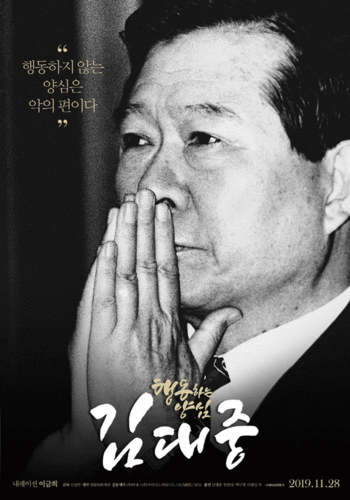
전북 새만금에 날개가 돋는 분위기다. 현대차그룹이 9조원을 투자하기로 한 새만금 프로젝트에 대해 김민석 국무총리가 새만금·전북 대혁신 태스크포스(TF) 회의를 열고 “현대차의 투자가 전북과 대한민국 미래 초현대화의 시작”이라고 밝혔다. 그는 오랜 세월 DJ와 동교동계에 의리를 지켜온 정치인이란 평가를 듣는다. 그러한 김민석 총리가 전북과 새만금에 관심을 갖고 정부 지원을 약속한 것에 대해 지역민들의 기대가 클 수밖에 없다.
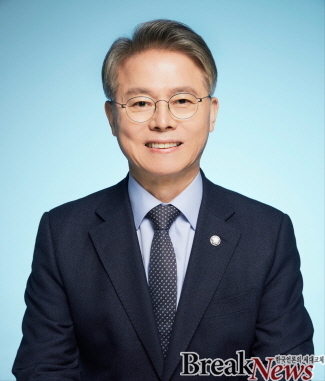
 ▲ 김민석 국무총리. |
한국의 지역개발 정책에서 새만금은 오랫동안 ‘가능성의 땅’이면서 동시에 ‘기다림의 땅’이었다. 세계 최대 규모의 간척지라는 상징성과 잠재력에도 불구하고, 새만금은 수십 년 동안 정책의 비일관성과 정치권의 무관심 속에서 제 속도를 내지 못했다. 계획은 거창했지만 실행은 더뎠고, 정부가 바뀔 때마다 비전과 방향이 흔들렸다. 전북도민들에게 새만금은 늘 “곧 시작될 미래”였지만 그 미래는 좀처럼 현실이 되지 않았다.
이런 상황에서 현대차그룹의 9조원 투자와 이를 둘러싼 김민석 국무총리의 명확한 메시지는 단순한 기업 투자 이상의 의미를 갖는다. 김 총리가 “현대차의 투자가 전북과 대한민국 미래 초현대화의 시작”이라고 밝힌 것은 과장이 아니다. 그것은 새만금 개발이 더 이상 ‘선거용’이 아니라 국가 전략 프로젝트로 본격 가동된다는 ‘신호’이기 때문이다.
이번 투자의 내용만 봐도 그렇다. 현대차는 새만금에 AI 데이터센터, 로봇 제조 클러스터, 수소 생산 인프라, 대규모 태양광 발전 등 미래 산업의 핵심 축을 동시에 구축할 계획이다. 특히 GPU 5만 장 규모의 초대형 AI 데이터센터는 단순한 산업시설이 아니라 대한민국의 디지털 산업 경쟁력을 좌우할 핵심 인프라가 될 가능성이 크다. 여기에 수소 에너지와 로봇 산업이 결합하면 새만금은 단순한 산업단지를 넘어 AI·로봇·에너지 전환이 융합된 미래 산업 플랫폼으로 진화할 수 있다.
이 지점에서 김민석 총리의 역할이 매우 중요하다. 새만금의 가장 큰 문제는 항상 정책의 지속성 부족이었다. 개발 계획은 여러 번 발표됐지만, 정부 교체나 정치적 갈등 속에서 사업 속도가 흔들리는 일이 반복됐다. 기업 입장에서는 장기 투자를 결정하기 어려운 환경이었다.
김 총리가 새만금·전북 대혁신 태스크포스를 직접 가동하고 투자 인센티브, 규제 개선, 인프라 확충을 정부 차원에서 지원하겠다고 밝힌 것은 바로 이 문제를 겨냥한 것으로 보인다. 기업에게는 “정부가 끝까지 책임지고 추진하겠다”는 확실한 정책 신호를 준 셈이다. 지역의 시각에서 보면 이는 오랜 기다림 끝에 등장한 ‘개발 청신호’가 아닐 수 없다.
더 중요한 것은 이번 프로젝트가 전북 경제 구조에도 변화를 가져올 수 있다는 점이다. 전북은 그동안 제조업 기반이 약하고 청년 인재 유출이 심한 지역으로 꼽혀왔다. 하지만 AI 데이터센터와 로봇 산업, 수소 에너지 산업이 결합된 클러스터가 형성되면 상황은 달라질 수 있다. 현대차가 예상하는 16조원의 경제 유발 효과와 7만 명 이상의 고용 창출은 단순한 숫자가 아니라 지역 경제의 체질을 바꾸는 잠재력이다. 인재가 떠나는 지역이 아니라 인재가 모이는 산업 생태계로 전환될 가능성이 열리는 것이다.
물론 지금은 시작일 뿐이다. 새만금 개발이 진정한 성공으로 이어지기 위해서는 정부의 지속적인 정책 지원이 반드시 뒤따라야 한다. 첫째, 전력·용수·항만·도로 등 기초 인프라를 국가 프로젝트 수준에서 신속하게 구축해야 한다. 둘째, AI 데이터센터와 수소 산업에 필요한 전력 공급과 재생에너지 인프라를 안정적으로 확보해야 한다. 셋째, 기업 투자와 연계된 세제 지원과 규제 완화도 지속적으로 추진해야 한다. 마지막으로 지역 대학과 연계한 산업 인재 양성 시스템도 함께 구축되어야 한다.
새만금은 단순한 지역 개발 사업이 아니다. 그것은 대한민국 산업 지형을 바꾸는 국가적 실험이자 미래 산업 전환의 플랫폼이 될 수 있다. AI, 로봇, 수소 에너지가 한 공간에서 결합하는 산업 모델은 세계적으로도 흔치 않다.
그래서 이번 투자는 단순히 전북의 기회가 아니라 대한민국의 기회인 것이다. 그리고 그 출발점에서 김민석 총리가 던진 분명한 메시지는 크게 평가할 수 있다. 새만금 개발을 더 이상 미루지 않겠다는 정책적 결단의 선언이기 때문이다.
수십 년 동안 ‘잠재력’이라는 말로만 설명되던 새만금이 이제 비로소 현실의 날개를 달기 시작했다. 중요한 것은 이 날개가 다시 접히지 않도록 하는 것이다. 정부가 일관된 정책 의지로 개발을 끝까지 밀어붙일 때, 새만금은 전북의 희망을 넘어 대한민국 ‘초현대화’의 상징이 될 수 있다. yslee1992@hotmail.com
*필자/이양승
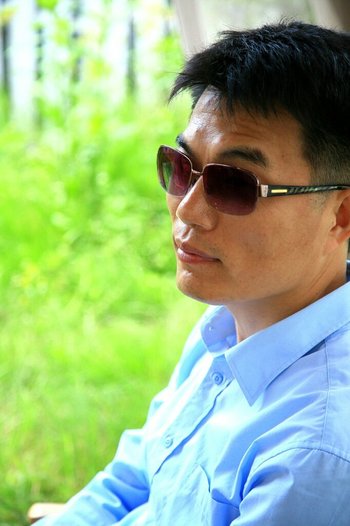
 ▲필자/ 이양승 군산대 교수. ©브레이크뉴스 |
군산대 교수. 국제경제, 게임이론 그리고 지역 발전전략에 대해 연구하는 학자이다. 현재 국립 군산대 무역학과 교수로 재직 중이다. 이전엔 캐나다 앨버타 대학교(University of Alberta) 경제학과에서 ‘게이임(gaming)’에 대해 연구와 강의를 했으며, 한국건설산업연구원에서 연구위원으로 근무했다.
전북 남원에서 출생해 전주한일고와 전북대 상과대학을 졸업했다. 이후 미국으로 건너가 노스 캐롤라이나 주립대학교 (North Carolina State University)에서 통계학과 경제학을 공부해 석사를 받았으며, 캔자스 대학교(The University of Kansas)에서 산업조직과 게임이론에 대한 연구로 경제학 박사를 받았다.
저서로는 '메트로 이코노미 (타임라인)'과 ‘와일드 게임이론 (박영사)’, ‘무역학개론(공저, 두남)’, ‘문화지체에 빠진 건설산업 (공저, 한국건설산업연구원)’ '자유무역론(박영사)' 등이 있고, 36편의 단독연구 학술논문이 있다.
*아래는 위 기사를 '구글 번역'으로 번역한 영문 기사의 [전문]입니다. '구글번역'은 이해도 높이기를 위해 노력하고 있습니다. 영문 번역에 오류가 있을 수 있음을 전제로 합니다.<*The following is [the full text] of the English article translated by 'Google Translate'. 'Google Translate' is working hard to improve understanding. It is assumed that there may be errors in the English translation.>.
Prime Minister Kim Min-seok Signals Saemangeum's Ultra-Modernization: Giving Wings to the "Land of Waiting"!
- Professor Lee Yang-seung, Kunsan National University
Saemangeum is sprouting wings. Regarding the Saemangeum project, in which Hyundai Motor Group has pledged to invest 9 trillion won, Prime Minister Kim Min-seok held a meeting of the Saemangeum and Jeonbuk Grand Innovation Task Force and announced, "Hyundai Motor's investment is the beginning of Jeonbuk and the future ultra-modernization of the Republic of Korea." He is known as a politician who has long maintained loyalty to Kim Dae-jung and the Donggyo-dong faction. Given Prime Minister Kim's interest in Jeonbuk and Saemangeum and his pledge of government support, local residents' expectations are bound to be high.
In Korea's regional development policy, Saemangeum has long been both a "land of possibility" and a "land of waiting." Despite its symbolic significance and potential as the world's largest reclaimed land, Saemangeum has been slow to gain traction due to decades of policy inconsistency and political indifference. While the plan was ambitious, execution was slow, and the vision and direction wavered with each change of government. For the residents of North Jeolla Province, Saemangeum was always a "future that is about to begin," but that future rarely became reality.
In this context, Hyundai Motor Group's 9 trillion won investment and Prime Minister Kim Min-seok's clear message surrounding it carry a significance beyond mere corporate investment. Prime Minister Kim's declaration that "Hyundai Motor's investment marks the beginning of the future ultra-modernization of Jeollabuk-do and the Republic of Korea" is no exaggeration. It signals that the Saemangeum development is no longer an "election ploy," but a full-fledged national strategic project.
The details of this investment speak for themselves. Hyundai Motor plans to simultaneously build key axes of future industries in Saemangeum, including an AI data center, a robot manufacturing cluster, hydrogen production infrastructure, and large-scale solar power generation. In particular, the ultra-large AI data center, equipped with 50,000 GPUs, is not simply an industrial facility; it is highly likely to become a key infrastructure that will determine the competitiveness of South Korea's digital industry. By combining hydrogen energy and the robotics industry, Saemangeum can evolve beyond a simple industrial complex into a future industrial platform converging AI, robotics, and energy transition.
Prime Minister Kim Min-seok's role is crucial here. The biggest problem with Saemangeum has always been the lack of policy sustainability. While development plans have been announced multiple times, the pace of development has repeatedly faltered amidst changes in government and political conflict. This has made it difficult for businesses to make long-term investment decisions.
Prime Minister Kim's direct launch of the Saemangeum/Jeonbuk Grand Innovation Task Force and his announcement of government-level support for investment incentives, regulatory reform, and infrastructure expansion appear to be targeting this very issue. This provides a clear policy signal to businesses that the government will take full responsibility and drive the project forward. From the local perspective, this represents a long-awaited green light for development.
More importantly, this project could also bring about changes to Jeonbuk's economic structure. Jeonbuk has long been considered a region with a weak manufacturing base and a significant outflow of young talent. However, the formation of a cluster combining AI data centers, robotics, and hydrogen energy could change this situation. The economic impact of 16 trillion won and the creation of over 70,000 jobs projected by Hyundai Motor Company are not mere numbers; they represent the potential to transform the regional economy. This opens the door to transforming the region into an industrial ecosystem that attracts talent, rather than one that draws them away.
Of course, this is only the beginning. For the Saemangeum development to truly succeed, continued government policy support is essential. First, basic infrastructure such as power, water, ports, and roads must be swiftly established at the national project level. Second, the power supply and renewable energy infrastructure necessary for AI data centers and the hydrogen industry must be secured. Third, tax incentives and deregulation linked to corporate investment must be continuously pursued. Finally, a talent development system in collaboration with local universities must also be established.
Saemangeum is not simply a regional development project. It can become a national experiment that transforms the industrial landscape of South Korea and a platform for future industrial transformation. An industrial model that combines AI, robotics, and hydrogen energy in a single space is rare worldwide.
Therefore, this investment is not simply an opportunity for Jeollabuk-do, but for South Korea. And the clear message delivered by Prime Minister Kim Min-seok at that starting point is highly commendable. It was a declaration of policy resolve to no longer delay the Saemangeum development.
Saemangeum, which had been described as "potential" for decades, is now finally beginning to take flight. The key is to prevent these wings from folding again. If the government pushes ahead with development with consistent policy will, Saemangeum can become a symbol of not only Jeollabuk-do's hopes but also the "ultra-modernization" of the Republic of Korea. yslee1992@hotmail.com
*Author/Yangseung Lee
Professor at Kunsan National University. He is a scholar specializing in international economics, game theory, and regional development strategies. He currently serves as a professor in the Department of International Trade at Kunsan National University. Previously, he researched and lectured on "gaming" at the Department of Economics at the University of Alberta, Canada, and served as a research fellow at the Construction and Economy Research Institute of Korea.
Born in Namwon, North Jeolla Province, he graduated from Jeonju Hanil High School and Jeonbuk National University's College of Commerce. He later moved to the United States, where he earned a master's degree in statistics and economics from North Carolina State University and a doctorate in economics from the University of Kansas, focusing on industrial organization and game theory.
His publications include "Metro Economy (Timeline)", "Wild Game Theory" (Parkyoungsa), "Introduction to Trade Studies" (co-authored, Doonam), "The Construction Industry in Cultural Lag (co-authored, Construction Economy Research Institute of Korea), and "Free Trade Theory" (Parkyoungsa). He has also published 36 independent academic papers.