▲자료 해설 : 평양 시장의 가격은 장마당에서 즉흥적으로 형성되는 것이 아니라, 도매상 네트워크가 물류와 공급을 통해 미리 결정하는 구조적 가격 시스템이다. ©곽인옥 교수 |
 ▲자료 해설 : 북한 유통 구조는 무역회사–도매상–소매상으로 이어지는 위계적 피라미드 구조이며, 대량 물류를 장악한 도매상이 가격 기준을 형성한다. ©곽인옥 교수 |
 ▲자료 해설 : 도매상은 단순한 상인이 아니라 시장·자본(돈주)·권력이 만나는 접점에서 북한 시장경제의 흐름을 조정하는 핵심 중개자이다. ©곽인옥 교수 |
시장은 가격으로 말하는 공간처럼 보인다. 그러나 평양에서 가격은 시장에서 만들어지지 않는다. 가격은 이미 결정된 상태로 장마당에 내려온다. 그 출발점에 서 있는 행위자가 도매상인이다. 이 때문에 도매상인은 단순한 상인이 아니라, 가격의 바로미터이자 체제의 조정자다.
평양의 주요 도매상인들은 장마당에서 물건을 사지 않는다. 이들은 무역회사 물류창고를 통해 직접 물량을 받는다. 대량·정기·안정 공급이 가능하기 때문에 단가는 소매와 비교할 수 없을 정도로 낮다. 이 단계에서 형성된 가격이 기준이 되고, 소매 가격은 그 위에 얹혀질 뿐이다. 평양의 가격은 ‘시장’이 아니라 ‘도매 단계’에서 먼저 결정된다.
겉으로 보면 중구시장의 소매상들은 허름하다. 작은 매대, 단출한 진열, 소박한 차림. 그러나 이 외형은 실체를 가린다. 이들 중 상당수는 특정 품목에서 전국 단위 물량을 쥔 물주이자 돈주다. 소매의 자리에 앉아 있지만, 유통의 말단이 아니라 유통의 기준점에 서 있다.
도매상인 사회에는 명확한 위계가 존재한다. 무엇을 얼마나 다루는지가 곧 지위다. 회전이 빠른 식료·의류 품목에는 도매상인이 많지만, 물량이 커질수록 참여자는 급격히 줄어든다. 대량 도매는 소수에게만 허용된다. 이 단계에 있는 사람들이 중구시장과 핵심 상권의 ‘조용한 중심’을 형성한다.
도매상인의 힘은 자본보다 정보에 있다. 도매상인과 무역회사 사이에는 별도의 비공식 정보망이 작동한다. 어느 구역에서 쌀이 오르는지, 어느 시장에서 담배가 막히는지, 어떤 품목이 단속 대상이 되는지가 실시간으로 공유된다. 이 정보는 문서가 아니라 감각화된 지도다. 평양 전역의 가격 변동이 도매상인의 판단 속에 압축된다.
그래서 도매상인은 가격을 ‘올리는’ 사람이 아니다. 가격을 ‘맞추는’ 사람이다. 급등은 단속을 부르고, 급락은 불안을 만든다. 도매상인은 이 두 위험 사이에서 가격의 속도를 조절한다. 이 조정 덕분에 시장은 멈추지 않고, 국가는 직접 개입하지 않아도 된다.
이 네트워크의 핵심에는 중국과의 연결이 있다. 중국산 제품은 주로 단둥–신의주 루트, 훈춘–나진·선봉 루트를 통해 들어온다. 대련·동강을 통한 변강무역 밀수루트, 혜산 출신 도매상인들은 **혜산–중국 창바이(長白)**를 잇는 밀수(밀무역) 루트를 활용하는 경우가 많다. 이 경로들은 단순한 이동 통로가 아니라, 친척·지인·관계가 축적된 네트워크다. 도매상인에게 국경은 장벽이 아니라 관계의 집합이다.
중국산과 함께 중요한 축은 국내 가공품이다. 이 가공품의 중심에는 평성이 있다. 평성은 북한에서 가장 유명한 전국적 가공제품 생산지이자 도매 집결지다. 의류, 신발, 과자·사탕, 술, 담배, 두부 등은 중국에서 원자재를 들여와 평성에서 가공된다. 이 물량은 1차 도매(평성) → 2차 도매(평양·주요 도시) → 3차 도매(구역 단위) → 소매로 이어지는 단계적 가치사슬(value chain)을 형성한다.
평성 가공품이 선택되는 이유는 명확하다. 중국산 완제품보다 50~60% 저렴하기 때문이다. 평양 주민 모두가 부유하지 않다. 중구역·모란봉구역의 상점에서는 중국산이 약 70%, 평성 가공품이 30% 정도지만, 동대원구역·선교구역 같은 서민 밀집 지역에서는 그 비율이 정반대다. 평성 가공품이 80~90%, 중국산은 10~20%에 불과하다. 가격은 취향이 아니라 생존의 기준이다.
이 구조는 중국과 베트남의 저가 내수 가공 체계와 닮아 있지만 결정적으로 다르다. 중국과 베트남의 가내 가공품은 제도권 시장으로 흡수되어 기업화·등록화 된다. 반면 북한의 가공품은 제도 밖에 머문 채 도매 네트워크와 결합하며 통치 비용을 흡수하는 구조로 고착된다. 시장화가 아니라 하이브리드화다.
도매상인의 자산은 단일하지 않다. 달러, 위안, 북한 돈, 금, 물량이 동시에 관리된다. 화폐는 목적이 아니라 상황에 따라 바뀌는 도구다. 네트워크 역시 다층적이다. 무역회사 관계자, 창고 관리자, 트럭 기사, 안전원, 검찰소, 중앙당 간부의 친척까지 연결된다. 이들은 단속을 피하는 것이 아니라, 단속의 기류를 먼저 읽는다.
흥미로운 점은 성별 분업이다. 남편이 군·보위·행정 중간 간부이고, 아내가 도매상·돈주·물주인 경우가 적지 않다. 자금과 물량은 아내가 관리한다. 남편은 모든 흐름을 알지 못한다. 아는 것이 위험이 되기 때문이다. 역할은 분리되고, 위험은 분산된다.
도매상인은 상인도, 간부도 아니다. 그는 시장·자본·권력이 만나는 접점에 서 있는 조정자다. 물량을 끊지 않고, 가격을 무너뜨리지 않으며, 관계를 유지하는 한 체제는 하루를 넘긴다. 평양의 안정은 명령이 아니라, 이 네트워크의 작동 위에 놓여 있다.
체제를 유지하는 사람들은 연단 위에 서 있지 않다. 그들은 물류창고와 새벽 도매시장, 숫자와 노선의 교차점에서 오늘도 조용히 가격과 질서를 동시에 조정하고 있다.
■ 제31회 핵심요약 (Analytical Summary)
PHSE Field Notes : The People Who Keep the System Running ㉓
가격의 바로미터, 도매상인 : 네트워크가 가격을 결정하는 방식
1. 핵심 질문 (Core Question)
평양에서 가격은 어디에서 결정되는가?
왜 북한의 시장 가격은 소매 경쟁이 아니라 특정 행위자 집단에 의해 안정적으로 유지되는가?
2. 주요 발견 (Key Findings)
평양의 가격은 장마당에서 형성되지 않는다. 가격은 이미 도매 단계에서 결정된 상태로 소매시장에 ‘하향 적용된다.
도매상인은 단순한 중간상이 아니라 ‘가격 조정자’다. 그는 가격을 올리거나 내리는 존재가 아니라, 급등(단속 유발)과 급락(불안 증폭) 사이의 속도를 조절한다.
중국 유입 구조가 평양 도매 체계의 전제가 된다. 단둥–신의주, 훈춘–나진·선봉, 선박 밀수는 대련·동강 변강무역루트, 혜산 밀수 루트는 물류 경로이자 혈연·친척·관계로 구성된 네트워크 자산이다.
평성은 북한 내부 가공·도매의 핵심 허브다. 중국산 원자재를 들여와 가공한 평성 제품은
중국 완제품 대비 50~60% 저렴하여 서민 밀집 지역의 가격 기준을 형성한다.
도매–소매 구조는 계층별 소비를 반영해 이중화된다. 중구역·모란봉구역: 중국산 비중 70%
동대원·선교구역: 평성 가공품 80~90% → 가격은 취향이 아니라 계층별 생존 조건이다.
도매 네트워크는 통치 실패를 흡수하는 완충 장치다. 국가는 가격 실패·공급 불안을 개인 도매상에게 이전함으로써 체제 차원의 책임을 회피한다.
3. 이론적 함의 (Theoretical Implications)
북한의 시장은 자율 경쟁 시장이 아니다. 이는 국가 통제의 붕괴가 아니라, 도매 네트워크를 매개로 한 통치 방식의 전환이다.
북한의 가격 형성 메커니즘은 중국·베트남식 ‘시장 흡수형 개혁’이 아니라, 생활·시장·통치가 결합된 하이브리드 조정 구조(PHSE)다.
도매상인은 ▶ 시장 행위자이자 ▶ 자본 관리자이며 ▶ 통치 비용을 분산시키는 비공식 제도 역할을 동시에 수행한다.
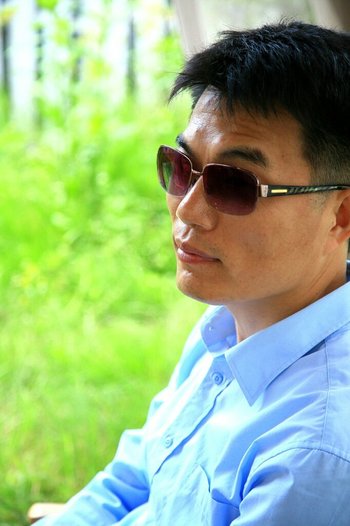
 ▲ 필자/곽인옥 교수. ©브레이크뉴스 |
4.한 문장 요약 (One-Sentence Summary)
평양의 가격은 시장에서 경쟁으로 만들어지지 않으며, 중국 유입 구조와 평성 가공품 가치사슬을 장악한 도매 네트워크에 의해 조정된다.
▶ 『Kwak’s Law of Hybrid Survival (PHSE) When the state cannot provide survival, society invents a hybrid economy to keep the system alive.』
<본 글은 필자의 【평양 하이브리드 생존경제 (PHSE)】 연구의 일부로, 장기간 현장 연구와 축적된 자료에 기반한 분석이다. 본문에 제시된 개념과 구조는 필자의 연구 성과임을 밝힌다.>
*필자/곽인옥 교수
*아래는 위 기사를 '구글 번역'으로 번역한 영문 기사의 [전문]입니다. '구글번역'은 이해도 높이기를 위해 노력하고 있습니다. 영문 번역에 오류가 있을 수 있음을 전제로 합니다.<*The following is [the full text] of the English article translated by 'Google Translate'. 'Google Translate' is working hard to improve understanding. It is assumed that there may be errors in the English translation.>
North Korea, The People Who Move the System - 23..."Wholesalers and Networks Determine Prices"
- Professor Kwak In-ok
Commentary: Prices in the Pyongyang market are not formed spontaneously at the open-air market (jangmadang); rather, it is a structural pricing system where wholesaler networks determine prices in advance through logistics and supply.
Commentary: North Korea's distribution structure is a hierarchical pyramid extending from trading companies to wholesalers to retailers, and wholesalers, who control mass logistics, establish the price standards.
Commentary: Wholesalers are not merely merchants; they are key intermediaries who regulate the flow of North Korea's market economy at the intersection where the market, capital (donju), and power meet.
The market appears to be a space where prices speak for themselves. However, in Pyongyang, prices are not created within the market. Prices arrive at the open-air market already determined. The actors standing at this starting point are the wholesalers. For this reason, wholesalers are not simply merchants, but rather barometers of price and regulators of the system.
Major wholesalers in Pyongyang do not purchase goods at the open-air market. They receive their supplies directly through the logistics warehouses of trading companies. Because large-scale, regular, and stable supply is possible, unit prices are incomparably lower than retail prices. The prices formed at this stage serve as the standard, and retail prices are merely added on top of it. Prices in Pyongyang are determined first at the "wholesale stage," not the "market."
On the surface, the retailers in Jung-gu Market appear shabby. Small stalls, simple displays, and modest attire. However, this exterior obscures their true nature. A significant number of them are financiers and money holders who control nationwide volumes of specific items. Although they sit in the retail sphere, they stand not at the end of the distribution chain, but at the benchmark of distribution.
A clear hierarchy exists within the society of wholesalers. Status is determined by what and how much is handled. While there are many wholesalers for fast-turnover items like food and clothing, the number of participants decreases sharply as the volume increases. Large-scale wholesale is permitted only to a select few. Those at this stage form the "quiet center" of Jung-gu Market and the core commercial district.
The power of wholesalers lies in information rather than capital. A separate, informal information network operates between wholesalers and trading companies. Information regarding which districts are seeing rice price increases, which markets are blocking tobacco, and which items are subject to crackdowns is shared in real time. This information is not a written document, but a visualized map. Price fluctuations across Pyongyang are compressed within the wholesalers' judgment.
Therefore, wholesalers are not people who "raise" prices; they are people who "adjust" them. A sharp rise invites crackdowns, while a sharp drop creates instability. Wholesalers regulate the speed of prices between these two risks. Thanks to this adjustment, the market does not stall, and the state does not need to intervene directly.
At the core of this network lies a connection with China. Chinese products primarily enter through the Dandong-Sinuiju route and the Hunchun-Rajin-Sonbong route. There are also smuggling routes for border trade via Dalian and Donggang, and wholesalers from Hyesan often utilize the smuggling route connecting Hyesan to Changbai, China. These routes are not merely transit passages, but networks built upon accumulated relatives, acquaintances, and relationships. To wholesalers, borders are not barriers, but a collection of relationships.
Along with Chinese products, a key pillar is domestically processed goods. At the center of these processed goods lies Pyongsong. Pyongsong is North Korea's most famous nationwide production site for processed goods and a wholesale hub. Raw materials for clothing, shoes, snacks and candy, alcohol, tobacco, and tofu are imported from China and processed in Pyongsong. This volume forms a stepwise value chain extending from primary wholesale (Pyongsong) → secondary wholesale (Pyongyang and major cities) → tertiary wholesale (district level) → retail.
The reason Pyongsong processed goods are chosen is clear: they are 50 to 60 percent cheaper than finished products from China. Not all residents of Pyongyang are wealthy. In stores in Jung-gu and Moranbong-gu, Chinese products account for about 70 percent and Pyongsong processed goods for around 30 percent, but in working-class areas like Dongdaewon-gu and Seonkyo-gu, the ratio is the exact opposite. Pyongsong processed goods account for 80–90%, while Chinese products make up only 10–20%. Price is not a matter of personal taste, but a criterion for survival.
This structure resembles the low-cost domestic processing systems of China and Vietnam, but it is fundamentally different. Home-based processed goods in China and Vietnam are absorbed into the institutional market, becoming corporatized and registered. In contrast, North Korean processed goods remain outside the system, becoming entrenched in a structure that absorbs governance costs by combining with wholesale networks. It is not marketization, but hybridization.
The assets of wholesalers are not monolithic. Dollars, yuan, North Korean currency, gold, and volume are managed simultaneously. Currency is not an end in itself, but a tool that changes according to the situation. The network is also multi-layered. It connects trade company officials, warehouse managers, truck drivers, security personnel, prosecutors, and even relatives of Central Party cadres. They do not evade crackdowns; rather, they read the atmosphere of crackdowns in advance.
An interesting point is the division of labor by gender. It is not uncommon for the husband to be a mid-level cadre in the military, security, or administration, while the wife serves as a wholesaler, a money lender, or a financier. The wife manages the funds and volume. The husband is unaware of the entire flow, because knowing it would become a risk. Roles are separated, and risks are dispersed.
The wholesaler is neither a merchant nor an official. He is a mediator standing at the point where the market, capital, and power meet. As long as he does not cut off the supply, does not undermine prices, and maintains relationships, the system survives the day. The stability of Pyongyang rests not on commands, but on the operation of this network.
The people who maintain the system do not stand on a podium. Today, they are quietly coordinating prices and order simultaneously in logistics warehouses, at dawn wholesale markets, and at the intersection of numbers and routes.
■ 31st Key Summary (Analytical Summary)
PHSE Field Notes: The People Who Keep the System Running ㉓
The Barometer of Price, the Wholesaler: How Networks Determine Prices
1. Core Question
Where are prices determined in Pyongyang?
Why are market prices in North Korea maintained stably by specific groups of actors rather than through retail competition? 2. Key Findings
Prices in Pyongyang are not formed in the Jangmadang. Prices are already determined at the **wholesale stage and are ‘applied downward’ to the retail market.**
Wholesalers are not mere middlemen but ‘price adjusters.’ They do not raise or lower prices, but rather regulate the speed between sharp increases (which trigger crackdowns) and sharp drops (which amplify anxiety).
The structure of inflow from China serves as the premise for Pyongyang’s wholesale system. The Dandong–Sinuiju, Hunchun–Rajin-Sonbong, the Dalian-Donggang border trade route involving ship smuggling, and the Hyesan smuggling route are not only logistics routes but also network assets composed of blood ties, relatives, and personal connections.
Pyongsong is the core hub for internal processing and wholesale in North Korea. Products from Pyongsong, processed using imported Chinese raw materials, are 50–60% cheaper than Chinese finished goods, establishing the price standard in areas densely populated by the working class.
The wholesale–retail structure is dualized to reflect consumption patterns by social class. Jung District and Moranbong District: 70% Chinese-made products
Dongdaewon and Seonkyo Districts: 80–90% Pyongsong processed goods → Price is not a matter of personal taste, but a condition for survival for each social class.
Wholesale networks serve as a buffer to absorb governance failures. The state evades systemic responsibility by shifting price failures and supply instability to individual wholesalers.
3. Theoretical Implications
North Korea's market is not a market of autonomous competition. This is not a collapse of state control, but a shift in governance methods mediated by wholesale networks.
North Korea's price formation mechanism is not a Chinese or Vietnamese-style "market-absorbing reform," but a **Hybrid Coordination Structure (PHSE) combining livelihood, market, and governance**.
Wholesalers simultaneously serve as market actors, capital managers, and informal institutions that disperse governance costs. 4. One-Sentence Summary
Prices in Pyongyang are not determined by market competition, but are regulated by the structure of inflow from China and the wholesale network that dominates the value chain of processed goods in Pyongsong.
▶ 『Kwak’s Law of Hybrid Survival (PHSE) When the state cannot provide survival, society invents a hybrid economy to keep the system alive.』
<This article is part of the author’s research on the 【Pyongyang Hybrid Survival Economy (PHSE)】 and is an analysis based on long-term field research and accumulated data. It is stated that the concepts and structures presented in this text are the results of the author’s research.>
*Author/Professor Kwak In-ok