서울 서대문구 충정로의 ‘황제’라 불리는 유튜버 언론인 김어준(유튜브 채널 <김어준의 겸손은 힘들다 뉴스공장> 대표)은 오랫동안 한국 진보 정치에서 독특한 권력을 형성해 온 인물이다. 그는 정당 정치인이 아니면서도 정치적 영향력은 웬만한 정치인을 넘어섰다. 특히 문재인 정부 시기에는 사실상 비공식적 킹메이커로 불리며 여론의 흐름을 움직이는 위치에 있었다.
정당과 정부가 만들어야 할 정치 메시지가 때로는 먼저 그의 방송에서 형성되기도 했다. 정치권이 움직이기 전에 여론이 먼저 움직였고, 그 여론을 만들어내는 중심에 김어준이 있었다. 제도 정치 바깥에서 작동하는 또 하나의 권력이 존재했던 셈이다.
 ▲ 유튜브 채널 <김어준의 겸손은 힘들다 뉴스공장> 방송에 지난 10일 출연한 MBC 기자 출신 장인수씨(왼쪽)와 김어준씨. <김어준의 겸손은 힘들다 뉴스공장> 방송 갈무리. |
김어준의 영향력은 단순한 방송인의 영향력이 아니었다. 그는 한국 정치에서 새로운 형태의 여론 권력을 만들어냈다. 팟캐스트와 유튜브, 방송과 온라인 플랫폼을 통해 정치적 프레임을 형성하고 정치 의제를 설정하는 방식이었다.
이 과정에서 정치의 새로운 현상이 등장했다. 유튜버 정치, 가짜뉴스 정치, 여론조사 정치다. 정치가 정당과 제도를 통해 책임 있게 작동하는 것이 아니라 방송과 플랫폼을 통해 움직이기 시작하면 정치의 책임 구조 자체가 무너진다. 민주주의 역시 왜곡될 수밖에 없다.
문재인 정부 시기에는 이런 구조가 일정하게 작동했다. 제도 권력과 운동권 정치 네트워크, 그리고 여론 권력이 비교적 안정적으로 결합되어 정권을 지탱하는 구조였다. 정치 권력과 여론 권력이 서로를 지지하며 하나의 정치 생태계를 형성했던 것이다.
그러나 정치의 시간은 언제나 흐른다. 문재인 정부 시절의 권력 구조와 지금의 권력 구조는 근본적으로 다르다. 지금 권력을 쥐고 있는 사람은 이재명이다.
그는 기존 진보 정치가 만들어 낸 정치인이 아니다. 운동권 출신도 아니고 정당 엘리트 코스를 밟아 올라온 정치인도 아니다. 그의 정치적 경로는 한국 진보 정치의 전통적 계보와는 전혀 다른 궤적을 가진다.
자수성가형 정치인의 특징은 분명하다. 그들의 삶 자체가 전쟁이었다는 점이다. 가난과 경쟁, 사회적 장벽을 뚫고 올라오는 과정에서 그들은 끊임없이 자신과 싸워야 했다. 그래서 이런 유형의 정치인에게 정치란 단순한 권력 게임이 아니라 생존의 문제에 가깝다. 자신과의 전쟁에서 살아남은 사람에게 정치란 곧 삶의 연장선이기 때문이다.
이재명 역시 그런 유형의 정치인이다. 그의 정치적 행동에는 언제나 강한 생존 본능이 작동해 왔다. 정치적 위기는 그에게 단순한 정치적 난관이 아니라 존재의 위협에 가깝게 받아들여진다. 그래서 그는 위기를 피하기보다 정면으로 돌파하는 방식을 선택하는 경우가 많다. 그의 권력 의지는 단순한 정치적 야망이 아니라 생존 본능에서 비롯된 강한 의지에 가깝다.
현재 그의 지지율은 상당히 높은 수준을 유지하고 있다. 집권 초기의 권력은 언제나 가장 강하다. 국가 권력의 조직과 정치적 정당성이 동시에 집중되는 시기이기 때문이다.
정치 전략의 관점에서 보면 진보 진영의 권력 구조는 크게 세 층으로 나뉜다.
첫째는 대통령과 정부, 그리고 정당 조직으로 구성된 제도 권력이다.
둘째는 1980년대 민주화 운동을 기반으로 형성된 586 운동권 정치 네트워크다.
셋째는 유튜브와 방송, 온라인 플랫폼을 통해 형성된 여론 권력이다.
언론인 김어준은 바로 이 세 번째 영역의 상징적 존재다.
문재인 정부 시기에는 이 세 권력이 비교적 안정적으로 결합되어 있었다. 운동권 정치 세력과 여론 권력이 서로를 지지하며 정권을 지탱하는 구조였다.
그러나 이재명 대통령 체제에서는 상황이 다르다. 그는 운동권 정치 내부에서 성장한 인물이 아니다. 외부에서 등장해 정치 구조 안으로 들어온 정치인이다. 그래서 그의 권력 기반은 기존 진보 정치의 조직과 완전히 일치하지 않는다.
이런 상황에서 언론인 김어준이라는 존재는 권력의 입장에서 보면 전략적으로 매우 복잡한 변수다. 그는 여론 권력의 상징이지만 동시에 정당 정치의 통제 밖에서 작동하는 영향력이다. 권력은 본질적으로 통제되지 않는 권력을 가장 경계한다. 권력 외부에서 작동하는 정치 영향력이 커질수록 권력 내부의 안정성은 흔들리기 때문이다.
그래서 진보 진영 내부에서는 오래전부터 하나의 문제가 제기되어 왔다. 방송과 유튜브, 여론조사가 정치의 중심이 되는 현상이다. 정치가 제도와 정당을 통해 책임 있게 작동하는 것이 아니라 플랫폼 정치로 이동하면 정치권력의 책임 구조는 약화될 수밖에 없다.
만약 이재명이 이 문제를 정면으로 다룬다면 그것은 단순히 한 인물을 정리하는 사건이 아니다. 그것은 진보 정치 내부의 권력 구조를 재편하는 사건이 된다.
언론인 김어준이라는 상징적 존재를 정리하는 순간 여론 권력의 중심은 약화되고 권력은 다시 제도 정치 중심으로 이동하게 된다. 그래서 이 문제의 결론은 결국 하나의 질문으로 귀결된다. 이재명과 김어준, 두 사람의 충돌이 현실 정치의 전면으로 올라온다면 누가 이길 것인가.
정치에서 승패를 가르는 기준은 단순하다. 누가 실제 권력을 쥐고 있는가다. 여론 영향력은 강력한 정치 자산이지만 그것이 국가 권력을 넘어설 수는 없다. 여론 권력은 언제나 권력의 주변에서 작동한다. 반면 국가 권력은 법과 제도, 조직과 정보, 그리고 강제력을 동시에 가진다.
지금 이재명 대통령은 바로 그 권력의 중심에 서 있다. 더 중요한 것은 그의 정치적 성격이다. 그는 위기를 피하는 정치인이 아니다. 정치적 위협을 느끼는 순간 오히려 정면으로 돌파하는 방식을 선택해 왔다. 그의 권력 의지는 생존 본능에서 비롯된 것이다. 정치에서 그에게 선택지는 많지 않다. 살아남거나, 아니면 사라지거나다. 그래서 그는 살아남기 위해 가능한 모든 수단과 방법을 동원할 것이다. 만약 김어준과의 정치적 충돌이 현실화된다면 그것은 단순한 개인 갈등이 아니다. 그것은 진보 정치 내부 권력 구조의 재편 과정이 된다. 여론 권력이 제도 권력 위에 군림해 온 비정상적 정치 환경 역시 그 과정에서 일정 부분 정리될 가능성이 있다.
정치는 결국 힘의 구조 속에서 움직인다. 그리고 정치의 역사에서 반복되어 온 하나의 사실이 있다. 여론은 강력하지만, 국가 권력을 이길 수는 없다. Jeongkeekim@naver.com
*필자/김정기
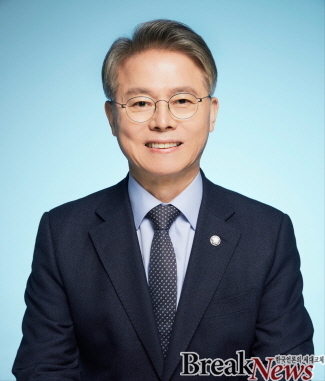
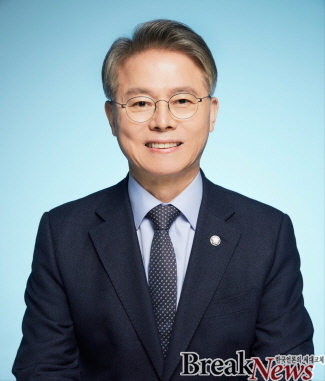
 ▲ 김정기 ©브레이크뉴스 |
● 학력
- 뉴욕주립대학교(Stony Brook) 정치학과 수석 졸업
- 마케트대학교(Marquette) 로스쿨 법학박사
- 하버드대학교(Harvard) 케네디스쿨 최고위 과정
- 베이징대학교(Peking) 북한학 연구학자
● 경력
- 세계스마트시티기구(WeGO) 사무총장 (현)
- 유엔 국제전기통신연합 (UN ITU) 가상세계 및 AI 글로벌 이니셔티브 집행위원(현)
- 법무법인 대륙아주 중국 총괄 미국변호사
- 동국대학교 경영전문대학원 석좌교수
- 숭실사이버대학교 총장
- 칼럼니스트
● 저서
1. 대학생을 위한 거로영어연구[전 10권](거로출판사)
2. 나는 1%의 가능성에 도전한다(조선일보사)
3. 한국형 협상의 법칙(청년정신사)
4. 대한민국과 세계 이야기 (도서출판 책미듬)
5. Korea and the World (Advance Reader Copy).
*아래는 위 기사를 '구글 번역'으로 번역한 영문 기사의 [전문]입니다. '구글번역'은 이해도 높이기를 위해 노력하고 있습니다. 영문 번역에 오류가 있을 수 있음을 전제로 합니다.<*The following is [the full text] of the English article translated by 'Google Translate'. 'Google Translate' is working hard to improve understanding. It is assumed that there may be errors in the English translation.>
Journalist Kim Ou-joon and President Lee Jae-myung... The Essence of Power and a Turning Point for Progressive Politics
- Columnist Kim Jeong-gi
Kim Ou-joon, a YouTuber and journalist known as the "Emperor" of Chungjeong-ro, is a figure who has long established a unique form of power within Korean progressive politics. Although he is not a party politician, his political influence has surpassed that of most politicians. Particularly during the Moon Jae-in administration, he was effectively referred to as an unofficial kingmaker, holding a position that moved the flow of public opinion.
Political messages that political parties and the government should have created were sometimes formed first on his broadcasts. Public opinion moved before the political sphere did, and Kim Ou-joon was at the center of shaping that public opinion. In essence, another power existed operating outside of institutional politics.
Kim Ou-joon's influence was not merely that of a broadcaster. He created a new form of public opinion power in Korean politics. It was a method of forming political frames and setting political agendas through podcasts, YouTube, broadcasting, and online platforms.
In this process, new political phenomena emerged: YouTuber politics, fake news politics, and public opinion poll politics. If politics begins to operate through broadcasting and platforms rather than functioning responsibly through political parties and institutions, the very structure of political accountability collapses. Democracy, too, is bound to be distorted.
During the Moon Jae-in administration, this structure operated to a certain extent. It was a structure in which institutional power, activist political networks, and public opinion power combined relatively stably to sustain the regime. Political power and public opinion power supported each other, forming a single political ecosystem.
However, time in politics always flows. The power structure of the Moon Jae-in era is fundamentally different from the current power structure. The person holding power now is Lee Jae-myung.
He is not a politician produced by existing progressive politics. He is neither from the activist movement nor a politician who rose through the ranks following the elite path of a political party. His political path follows a trajectory entirely different from the traditional lineage of Korean progressive politics.
The characteristics of self-made politicians are clear. Their lives themselves were a war. In the process of breaking through poverty, competition, and social barriers to rise, they had to constantly fight against themselves. Therefore, for this type of politician, politics is not merely a game of power, but is closer to a matter of survival. This is because, for those who have survived the war against themselves, politics is an extension of life itself.
Lee Jae-myung is also that type of politician. A strong survival instinct has always been at work in his political actions. To him, a political crisis is not merely a political obstacle, but is perceived as something akin to a threat to his very existence. Therefore, he often chooses to confront crises head-on rather than avoid them. His will to power is not merely political ambition, but rather a strong determination stemming from his survival instinct.
Currently, his approval ratings remain at a considerably high level. Power is always strongest in the early stages of an administration. This is because it is a period when the organization of state power and political legitimacy are simultaneously concentrated.
From the perspective of political strategy, the power structure of the progressive camp is broadly divided into three layers.
The first is institutional power, composed of the President, the government, and political party organizations.
The second is the political network of the 586 generation activists, formed based on the democratization movement of the 1980s.
The third is public opinion power, formed through YouTube, broadcasting, and online platforms.
Journalist Kim Ou-joon is a symbolic figure of this very third domain.
During the Moon Jae-in administration, these three powers were relatively stably combined. It was a structure where activist political forces and public opinion power supported each other to sustain the regime.
However, the situation is different under President Lee Jae-myung's administration. He is not a figure who rose from within activist politics. He is a politician who emerged from the outside and entered the political structure. Therefore, his power base does not completely align with the existing progressive political organization.
In this situation, the existence of journalist Kim Ou-joon is a strategically complex variable from the perspective of power. He is a symbol of public opinion power, but at the same time, he represents an influence operating outside the control of party politics. Power inherently guards most against uncontrolled power. This is because as political influence operating outside of power grows, the stability within power becomes unstable.
For this reason, a problem has long been raised within the progressive camp: the phenomenon where broadcasting, YouTube, and public opinion polls become the center of politics. If politics shifts from operating responsibly through institutions and political parties to platform politics, the accountability structure of political power is bound to weaken.
If Lee Jae-myung addresses this issue head-on, it would not be merely an event to eliminate a single figure. This becomes an event that reshapes the power structure within progressive politics.
The moment the symbolic figure of journalist Kim Ou-joon is eliminated, the center of public opinion power weakens, and power shifts back to the center of institutional politics. Therefore, the conclusion of this issue ultimately boils down to a single question: If the clash between Lee Jae-myung and Kim Ou-joon rises to the forefront of real-world politics, who will win?
The criterion for determining victory or defeat in politics is simple: who holds actual power. While public opinion influence is a powerful political asset, it cannot transcend state power. Public opinion power always operates on the periphery of power. Conversely, state power possesses laws and institutions, organizations and information, and coercive force simultaneously.
Currently, President Lee Jae-myung stands at the very center of that power. What is more important is his political character. He is not a politician who avoids crises. The moment he feels a political threat, he has chosen to confront it head-on. His will to power stems from a survival instinct. In politics, he has few options. It is either survive or disappear. Therefore, he will mobilize every possible means and method to survive. If a political clash with Kim Ou-joon materializes, it is not merely a personal conflict. It signifies a restructuring of the internal power structure within progressive politics. There is also a possibility that the abnormal political environment, in which the power of public opinion has reigned over institutional power, will be partially resolved during this process.
Politics ultimately operates within a structure of power. And there is one fact that has been repeated throughout the history of politics: while public opinion is powerful, it cannot defeat state power. Jeongkeekim@naver.com
*Author/Kim Jeong-ki
● Education
- Graduated with honors from the Department of Political Science, State University of New York (Stony Brook)
- Juris Doctor from Marquette Law School
- Executive Program at Harvard Kennedy School
- North Korean Studies Scholar at Peking University
● Career
- Secretary General of the World Smart Cities Organization (WeGO) (Current)
- Executive Committee Member for the Global Initiative on Virtual Worlds and AI, United Nations International Telecommunication Union (ITU) (Current)
- US Attorney General for China at Daeryuk Aju Law Firm
- Distinguished Professor, Graduate School of Business, Dongguk University
- President, Soongsil Cyber University
- Columnist
● Publications
1. Georo English Research for University Students [10 Volumes] (Gero Publishing)
2. I Challenge the 1% Possibility (Chosun Ilbo)
3. Korean-style Negotiation Laws (Cheongnyeonjeongsinsa)
4. The Story of Korea and the World (Chaekmideum Publishing)
5. Korea and the World (Advance Reader Copy).