브레이크뉴스 김충열 정치전문기자 = 정동영 통일부 장관이 현 정부의 평화공존 정책이 중동 전쟁 등 불안정한 국제 정세 속에서 ‘코리아 리스크’를 관리하는 핵심 안전판 역할을 하고 있다고 평가하며, 임기 내 ‘남북 기본협정’ 체결에 대한 강한 의지를 피력했다.
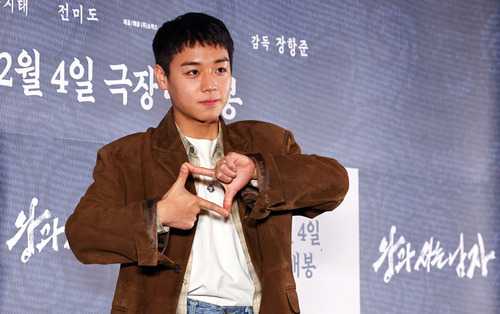
 ▲ 정동영 장관은 “이재명 대통령의 확고한 평화 의지와 평화공존 정책이 중동 전쟁의 여파가 한반도로 전이되는 것을 막는 안전판이 되고 있다”며 “현 정부의 정책 기조가 경제적 불확실성을 차단하고 있다”고 진단했다. © 사진, 정 장관 SNS에서 캡춰/ 김충열 정치전문기자 |
정 장관은 19일 자신의 SNS를 통해 2005년 장관 재임 시절 개성공단 가동과 ‘남북관계발전법’ 통과를 이끌었던 소회를 밝히며 “국회를 도와 남북관계발전법을 통과시킨 일과 냉전시대 국가보안법, 교류협력법 시대를 넘어 남북관계를 법과 제도적으로 뒷받침하는 ‘남북관계발전법’시대가 시작된 것”을 상기하며 현 남북 관계에 대한 진단과 향후 정책 방향을 제시했다.
“남북 관계 폐허 위기… 이재명 정부 ‘평화 의지’가 경제 지탱”
불과 4년 전, 김정은 위원장은 ‘남북관계 발전’을 이야기했다. 그리고 김여정 당시 부부장은 ‘남과 북이 싸우지 말아야 할 같은 민족’이라고 강조했다. 그로부터 1년 8개월 뒤 김정은 위원장은 남북 관계를 불구대천의 원수로, ‘적대적 두 국가’로 선언했다.
정 장관은 “20년이 지난 오늘, 남북 관계는 다시 폐허가 되었고 자주·평화·민주의 기본 원칙마저 흔들리고 있다”고 우려를 표했다. 특히 최근 북한의 ‘적대적 두 국가’ 선언과 접경지역의 긴장 고조를 언급하며 “남북 간 무인기와 전단이 날아다니고, 오물풍선이 날아오고, 확성기 소음이 접경지역을 가득 채우고, 군 통수권자가 ‘정권 종식, 선제 타격’이런 이야기들을 하고 있다면, 지금 중동 전쟁 상황 속 우리 경제는 어떻게 됐겠는가, 등골이 오싹했을 것”이라고 지적했다.
그는 이어 “이재명 대통령의 확고한 평화 의지와 평화공존 정책이 중동 전쟁의 여파가 한반도로 전이되는 것을 막는 안전판이 되고 있다”며 “현 정부의 정책 기조가 경제적 불확실성을 차단하고 있다”고 진단했다.
평화공존의 두 기둥, ‘적대 유산 제거’와 ‘전시작전권 환수’
정 장관은 이재명 정부 평화공존 정책의 핵심 축으로 두 가지를 꼽았다. 첫째는 적대적 대결 노선의 부정적 유산 제거이다. 과거의 대립 구조에서 벗어나 실질적인 평화 상태를 조성하는 것.
둘째, 전시작전권 환수를 통한 자주 국방 실현이다. 스스로를 지킬 수 있는 힘을 바탕으로 주도적인 평화 체제를 구축하는 것이다.
그는 “우리의 목표는 평화 공존 그 자체”라며 “상대를 수단화하지 않고 현실을 있는 그대로 인정하며 상대방의 입장을 존중하는 안에서 현실적인 방안을 찾겠다”는 실용주의적 태도를 분명히 했다.
‘독일 모델’ 언급하며 “남북 기본협정 체결 임기 내 실현”
정 장관은 1972년 동서독 기본 조약을 예로 들며 상호 주권 존중과 경제적 실리를 동시에 챙겼던 독일의 사례를 참고할 필요가 있다고 역설했다.
그는 “노태우 정부 시절인 1991년 남북 기본합의서를 발전시켜 ‘대한민국과 조선민주주의인민공화국 간의 기본협정’으로 체결하는 것이 국정과제”라며 “이 협정이 체결된다면 변화된 국제 정세 속에서 남북 관계는 물론 동북아 평화에 크게 기여할 것”이라고 전망했다.
끝으로 정 장관은 “남북 관계 발전을 위한 기본협정 체결이라는 국정과제가 임기 내에 반드시 실현될 수 있도록 최선을 다하겠다”고 덧붙였다. hpf21@naver.com
* 아래는 위 기사를 '구글 번역'으로 번역한 영문 기사의 [전문]입니다. '구글번역'은 이해도 높이기를 위해 노력하고 있습니다. 영문 번역에 오류가 있을 수 있음을 전제로 합니다.
*The following is [the full text] of the English article translated by 'Google Translate'. 'Google Translate' is working hard to improve understanding. It is assumed that there may be errors in the English translation.
Minister Chung Dong-young: “Lee Jae-myung Administration’s ‘Peaceful Coexistence’ Policy Serves as a Safety Net to Block Risks on the Korean Peninsula”
Reflections on 20 Years of the ‘Inter-Korean Relations Development Act’… Emphasizes “Realization of National Agenda: Concluding a Framework Agreement on Inter-Korean Relations within Term”
Break News, Political Reporter Kim Choong-lyoul = Unification Minister Chung Dong-young assessed that the current administration’s policy of peaceful coexistence is serving as a key safety net for managing ‘Korea Risk’ amidst unstable international circumstances, such as wars in the Middle East, and expressed a strong determination to conclude a ‘Framework Agreement on Inter-Korean Relations’ within his term.
On the 19th, Minister Chung shared his reflections on leading the operation of the Kaesong Industrial Complex and the passage of the ‘Inter-Korean Relations Development Act’ during his tenure as minister in 2005 via his social media. Recalling that “helping the National Assembly pass the Inter-Korean Relations Development Act marked the beginning of an era under the ‘Inter-Korean Relations Development Act’ that legally and institutionally supports inter-Korean relations, moving beyond the Cold War era of the National Security Act and the Exchange and Cooperation Act,” he presented an assessment of current inter-Korean relations and future policy directions. “Inter-Korean Relations on the Brink of Ruin… Lee Jae-myung Administration’s ‘Will for Peace’ Sustains the Economy”
Just four years ago, Chairman Kim Jong-un spoke of the “development of inter-Korean relations.” At the time, Kim Yo-jong, then Vice Department Director, emphasized that “the South and the North are the same people who must not fight.” One year and eight months later, Chairman Kim Jong-un declared inter-Korean relations to be between sworn enemies and “two hostile states.”
Minister Jeong expressed concern, stating, “Today, 20 years later, inter-Korean relations have once again fallen into ruin, and even the fundamental principles of independence, peace, and democracy are being shaken.” In particular, citing North Korea’s recent declaration of “two hostile states” and the escalating tensions in the border region, he pointed out, “If drones and leaflets were flying between the South and North, if balloons of debris were flying in, if loudspeaker noise were filling the border area, and if the Commander-in-Chief were talking about ‘ending the regime’ or ‘preemptive strikes,’ what would have happened to our economy amidst the current Middle East war situation? It would have sent shivers down one’s spine.”
He continued, “President Lee Jae-myung’s firm will for peace and his policy of peaceful coexistence are acting as a safety net preventing the aftermath of the Middle East war from spreading to the Korean Peninsula,” and assessed that “the current government’s policy stance is blocking economic uncertainty.”
The Two Pillars of Peaceful Coexistence: “Elimination of Hostile Legacy” and “Repatriation of Wartime Operational Control”
Minister Jeong identified two key pillars of the Lee Jae-myung administration’s policy of peaceful coexistence. The first is the elimination of the negative legacy of the line of hostile confrontation. This involves moving away from the structure of past conflict and establishing a state of substantive peace.
Second is the realization of self-reliant national defense through the transfer of wartime operational control. This involves establishing a proactive peace regime based on the strength to defend oneself.
He clearly demonstrated a pragmatic attitude, stating, “Our goal is peaceful coexistence itself,” and adding, “We will find realistic solutions by acknowledging reality as it is and respecting the other party’s position, without instrumentalizing the other side.”
Referring to the ‘German Model,’ he stated, “I will realize the signing of the Inter-Korean Basic Agreement within my term.”
Minister Jeong emphasized the need to refer to the German example, citing the 1972 Basic Treaty between East and West Germany, which simultaneously secured mutual respect for sovereignty and economic benefits.
He predicted, “It is a national agenda to develop the 1991 Inter-Korean Basic Agreement from the Roh Tae-woo administration into the ‘Framework Agreement between the Republic of Korea and the Democratic People’s Republic of Korea.’ If this agreement is signed, it will contribute significantly to peace in Northeast Asia as well as inter-Korean relations amidst the changed international situation.” Finally, Minister Jeong added, “I will do my utmost to ensure that the national agenda of concluding a basic agreement for the development of inter-Korean relations is realized within my term.” hpf21@naver.com