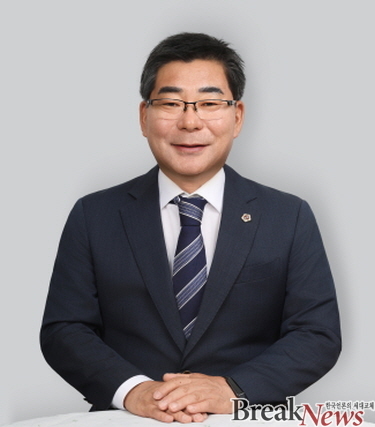
▲ 전문학 대전 서구청장 예비후보(더불어민주당)=전문학 예비후보 캠프 제공 © 정지완 기자 |
더불어민주당 전문학 대전 서구청장 예비후보가 25일 주민 권한 확대와 인공지능 기반 행정 혁신을 묶은 행정·자치 분야 공약을 발표했다. 행정이 주도하고 주민이 따라가는 기존 구조를 바꿔, 주민이 결정하면 행정이 지원하고 실행하는 방식으로 구정을 전환하겠다는 구상이다.
전 예비후보는 이번 공약의 두 축으로 ‘주민권한 확대’와 ‘AI 기반 행정혁신’을 제시했다. 실질적 자치권을 넓히고, 생활밀착형 문제 해결과 체감행정을 강화해 서구를 기술과 민주주의가 결합된 지방정부 모델로 만들겠다는 설명이다.
주민자치 분야에서는 생활자치 생태계 구축을 앞세웠다. 주민이 지역 문제를 직접 발굴하고 예산과 정책 결정 과정에 참여하면, 행정은 이를 지원하고 집행하는 구조로 다시 짜겠다는 것이다. 세부적으로는 주민심사단이 동장을 검증·추천하는 동장 주민선택제, 주민자치회의 주민자치센터 공간관리·프로그램 운영 전환, 둔산·신도심·원도심·기성권 4대 권역 자치지원관 배치 등이 포함됐다. 구청장 직통 문자 민원폰과 정례화된 경청 타운홀 미팅도 함께 제시됐다.
디지털 기반 행정 전환도 공약의 큰 축으로 배치됐다. 전문학 예비후보는 ‘MY 서구’ 통합 앱을 통해 복지 신청, 서류 발급, 민원 접수와 처리까지 스마트폰 하나로 해결하는 원스톱 행정체계를 구축하겠다고 밝혔다. 여기에 24시간 행정 상담 챗봇과 문자 민원 시스템을 연계해 접수부터 처리, 정책 반영까지 전 과정을 실시간에 가깝게 공개하겠다는 방침도 내놨다.
주민 참여를 경제적 보상과 연결하는 구상도 포함됐다. 주민자치, 환경, 돌봄 등 공익 활동을 ‘사회적 가치 노동’으로 인정하고, 활동 실적을 포인트로 적립해 지역화폐로 지급하는 참여소득 제도를 도입하겠다는 것이다.
참여예산 확대와 함께 청년·청소년을 위한 10억 원 규모 미래예산 할당제도 운영하겠다고 밝혔다. 이는 자치 참여를 단순한 의견 개진에 그치지 않고 지역경제 순환과 연결하려는 시도로 읽힌다.
안전 분야에서는 첨단 기술을 활용한 스마트 재난안전 시스템 강화가 제시됐다. 도안·관저 등 서남부권 침수 위험을 디지털트윈 기술로 예측하고, 지능형 CCTV와 음성인식 비상벨, 교통·위치 데이터 연계 시스템을 통해 재난 대응의 속도와 정확도를 높이겠다는 구상이다. 생활 행정과 안전 행정을 모두 데이터 기반으로 재편하겠다는 점에서 공약의 방향은 비교적 선명하다.
전 예비후보는 주민에게 권한과 예산을 돌려드리는 것이 민주주의 회복이라고 강조하며, 첨단 기술을 통해 행정의 속도와 정확성을 높이면서도 소외계층까지 포용하는 스마트 행정을 구현하겠다고 밝혔다.
다만 이번 공약의 실질적 경쟁력은 주민선택제의 제도화 가능성, 참여소득의 재원 마련, 통합 앱 구축 비용과 개인정보 보호, 부서 간 시스템 연계 방안을 얼마나 구체적으로 제시하느냐에 달려 있을 것으로 보인다.
*아래는 위 기사를 '구글 번역'으로 번역한 영문 기사의 [전문]입니다. '구글번역'은 이해도를 높이기를 위해 노력하고 있습니다. 영문 번역에 오류가 있을 수 있음을 전제로 합니다.<*The following is [the full text] of the English article translated by 'Google Translate'. 'Google Translate' is working hard to improve understanding. It is assumed that there may be errors in the English translation.>
Jeon Mun-hak, Preliminary Candidate for Seo-gu District Mayor, Announces Autonomy Pledges Combining Resident Empowerment and AI Administration
Proposes Transformation of District Administration Leading with Resident Choice of Dong Heads, Integrated Apps, and Participatory Income
On the 25th, Jeon Mun-hak, a preliminary candidate for the Daejeon Seo-gu District Mayor representing the Democratic Party of Korea, announced administrative and local autonomy pledges that combine the expansion of resident empowerment with AI-based administrative innovation. His vision is to transform the district administration from the existing structure, where the administration leads and residents follow, into a model where residents make decisions and the administration supports and implements them.
Candidate Jeon presented "expansion of resident empowerment" and "AI-based administrative innovation" as the two pillars of his pledges. He explained that he intends to expand substantive autonomy, strengthen the resolution of daily-oriented problems, and enhance tangible administration to transform Seo-gu into a local government model that combines technology and democracy.
In the field of resident autonomy, he emphasized the establishment of a "living-based autonomy" ecosystem. The plan is to restructure the system so that residents directly identify local issues and participate in the budget and policy-making processes, while the administration supports and executes them. Specifically, the plan includes a resident-selected Dong head system in which a resident screening committee verifies and recommends Dong heads, a transition of the Resident Autonomy Council to manage community center spaces and operate programs, and the placement of Autonomy Support Officers in the four major zones of Dunsan, the New Downtown, the Old Downtown, and the Giseong area. A direct text-based complaint hotline to the District Mayor and regularized "listening town hall meetings" were also proposed.
The transition to a digital-based administration was also placed as a major pillar of the pledges. Preliminary candidate Jeon Mun-hak announced plans to establish a one-stop administrative system through the integrated "MY Seo-gu" app, allowing users to handle everything from welfare applications and document issuance to the submission and processing of civil complaints using a single smartphone. Furthermore, he proposed linking a 24-hour administrative consultation chatbot with a text complaint system to disclose the entire process—from reception to processing and policy implementation—in near real-time.
The plan also includes connecting resident participation with economic rewards. It proposes recognizing public interest activities such as resident autonomy, environmental protection, and caregiving as "socially valuable labor" and introducing a participation income system where activity performance is accumulated as points and paid out in local currency. Along with expanding participatory budgeting, the candidate announced plans to operate a future budget allocation system worth 1 billion won for youth and adolescents. This is interpreted as an attempt to connect local participation beyond mere expression of opinions to the circulation of the local economy.
In the safety sector, the candidate proposed strengthening smart disaster safety systems utilizing cutting-edge technology. The plan envisions using digital twin technology to predict flood risks in southwestern areas such as Doan and Gwanjeo, and increasing the speed and accuracy of disaster response through intelligent CCTVs, voice-recognition emergency bells, and systems linking traffic and location data. The direction of the pledge is relatively clear, given that it aims to reorganize both daily administration and safety administration based on data.
Preliminary Candidate Jeon emphasized that returning authority and budget to residents constitutes the restoration of democracy, stating that he would implement smart administration that embraces even marginalized groups while enhancing the speed and accuracy of administration through advanced technology.
However, the practical competitiveness of this pledge appears to depend on how concretely it presents plans for the institutionalization of the resident choice system, funding for participatory income, the costs of building an integrated app, personal data protection, and inter-departmental system linkage.
원본 기사 보기:브레이크뉴스대전세종충청