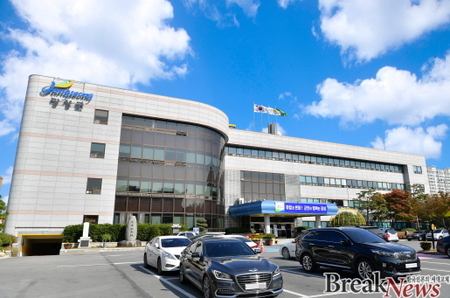
▲ 경상남도경찰청 전경 |
[브레이크뉴스=박찬호 기자] 개정된 도로교통법 시행으로 약물운전에 대한 처벌이 강화되면서 경찰이 단속과 홍보를 병행한다.
경남경찰청은 약물운전 처벌을 강화하는 내용의 개정 도로교통법이 4월 2일부터 시행됨에 따라 단속 활동을 확대한다고 밝혔다. 이번 개정은 약물 복용 상태에서의 운전과 측정 불응, 상습 위반에 대한 처벌을 신설·강화한 것이 핵심이다.
개정안에 따르면 약물 영향으로 정상적인 운전이 어려운 상태에서 운전할 경우 처벌 대상이 되며, 경찰의 측정 요구에 불응할 경우 별도의 처벌이 적용된다. 특히 상습 약물운전자와 상습 측정거부자에 대한 형사처벌 기준이 신설되면서 처벌 수위가 크게 높아졌다.
구체적으로 약물운전 1회 위반과 측정 거부 시 최대 5년 이하 징역 또는 2천만 원 이하 벌금이 가능하며, 상습 약물운전은 2년 이상 6년 이하 징역 또는 1천만 원 이상 3천만 원 이하 벌금이 부과된다. 상습 측정거부 역시 최대 6년 이하 징역 또는 3천만 원 이하 벌금이 적용된다.
경찰은 현장에서 타액 간이시약검사 등을 통해 약물 복용 여부를 확인할 수 있게 되며, 단속 실효성을 높일 계획이다. 법에서 규정하는 약물에는 마약류뿐 아니라 일부 향정신성 의약품과 환각물질도 포함돼 일반 처방약 복용 시에도 주의가 요구된다.
이번 개정은 음주운전에 준하는 위험성을 가진 약물운전에 대한 관리 필요성이 반영된 것으로, 교통사고 예방 차원의 제도 강화로 해석된다. 특히 수면제나 신경안정제 등 일상적으로 복용 가능한 의약품도 운전에 영향을 줄 수 있어 운전자 인식 개선이 중요한 과제로 떠올랐다.
경남경찰청은 오는 4월 9일 경남약사회 등 관계기관과 협력해 약물운전 위험성 홍보 캠페인을 진행하고, SNS와 전광판 등을 활용한 예방 홍보도 병행할 예정이다.
천민성 교통안전계장은 “약물운전은 중대한 사고로 이어질 가능성이 높다”며 “처방약 복용 시 운전 가능 여부를 반드시 확인하고 주의사항을 숙지해야 한다”고 말했다.
*아래는 위 기사를 '구글 번역'으로 번역한 영문 기사의 [전문]입니다. '구글번역'은 이해도 높이기를 위해 노력하고 있습니다. 영문 번역에 오류가 있을 수 있음을 전제로 합니다.
*Below is the full text of the English article translated by Google Translate. 'Google Translate' strives to improve understanding. It assumes that there may be errors in the English translation.
With the enforcement of the revised Road Traffic Act strengthening penalties for drug-impaired driving, the police are conducting both enforcement and public awareness campaigns.
The Gyeongnam Provincial Police Agency announced that it is expanding enforcement activities as the revised Road Traffic Act, which strengthens penalties for drug-impaired driving, comes into effect on April 2. The core of this revision is the establishment and strengthening of penalties for driving under the influence of drugs, refusal to undergo testing, and habitual violations.
According to the amendment, driving while in a state where normal driving is difficult due to the influence of drugs is subject to punishment, and separate penalties apply if a police request for testing is refused. In particular, the severity of punishment has significantly increased with the establishment of new criminal punishment standards for habitual drug drivers and habitual test refusers.
Specifically, a first-time violation of drug-impaired driving and refusal to take a test can result in imprisonment of up to five years or a fine of up to 20 million won. Habitual drug-impaired driving carries a penalty of imprisonment of two to six years or a fine of 10 million to 30 million won. Habitual refusal to take a test also carries a penalty of imprisonment of up to six years or a fine of up to 30 million won.
** The police plan to enhance the effectiveness of enforcement by enabling on-site verification of drug use through methods such as rapid saliva reagent tests. Since the drugs defined by law include not only narcotics but also certain psychotropic drugs and hallucinogens, caution is required even when taking over-the-counter prescription medications.
This amendment reflects the need to manage drug-induced driving, which poses risks comparable to drunk driving, and is interpreted as a strengthening of the system aimed at preventing traffic accidents. In particular, as commonly taken medications such as sleeping pills and tranquilizers can affect driving, improving driver awareness has emerged as a critical task.
The Gyeongnam Provincial Police Agency plans to conduct a campaign to raise awareness of the dangers of drug-induced driving in cooperation with relevant organizations, including the Gyeongnam Pharmaceutical Association, on April 9. They will also simultaneously carry out preventive publicity using social media and electronic billboards.
Cheon Min-seong, Head of the Traffic Safety Division, stated, "Drug-induced driving has a high potential to lead to serious accidents," adding, "When taking prescription medication, drivers must verify their ability to drive and fully understand the precautions."
원본 기사 보기:브레이크뉴스경남