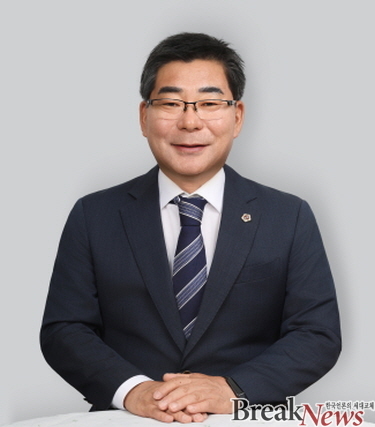
▲ 국회 국토교통위원회 소속 복기왕 의원(더불어민주당, 아산갑)=복기왕 국회의원실 제공 © 정지완 기자 |
자율주행 기술을 실험실 밖 일상 교통으로 끌어내기 위한 논의가 국회에서 시작됐다. 더불어민주당 복기왕 의원은 1일 국회 의원회관에서 ‘친환경 미래 모빌리티 포럼’ 출범회의를 열고, 자율주행 기반 공공교통 체계 전환 방안을 본격적으로 논의했다.
이날 포럼의 중심에는 자율주행 버스를 공공교통에 어떻게 안착시킬 것인가 하는 문제가 놓였다. 복 의원은 천안·아산을 잇는 광역형 버스 노선에 자율주행 버스를 우선 도입하는 실증 모델을 제시했고, 참석자들은 생활권 단위에서 기술의 안정성과 운영 효율을 함께 검증할 수 있는 방안이라는 점에 주목했다. 자율주행을 단순한 기술 시연으로 소비하지 않고, 시민이 실제로 체감하는 교통 서비스로 전환해야 한다는 문제의식도 함께 제기됐다.
논의는 교통수단 자체에만 머물지 않았다. 전기버스를 기반으로 한 배터리 공영제(BaaS), 에너지저장장치(ESS) 연계 같은 공공형 에너지 운영체계, 자율주행 서비스 확산을 위한 제도와 인프라 정비 필요성도 함께 다뤄졌다. 미래 모빌리티를 교통정책의 한 분야로 좁게 볼 것이 아니라, 에너지 전환과 지역 산업 생태계 조성까지 포괄하는 구조로 접근해야 한다는 인식이 깔려 있다.
아산이 실증 거점으로 거론된 배경도 이와 맞닿아 있다. 산업단지와 주거지역이 함께 형성돼 있고, 도심과 외곽이 공존하는 중규모 도시 구조가 자율주행 대중교통 모델을 시험하기에 비교적 적합하다는 판단이다. 과밀 대도시보다 변수는 덜하지만, 소도시보다는 충분한 교통 수요를 갖고 있어 향후 다른 지역으로 확산할 수 있는 표준 모델을 설계해볼 수 있다는 것이다. 이 같은 평가는 포럼에서 공유된 주요 문제의식으로 소개됐다.
참석자들은 자율주행 버스 도입이 시민들이 체감할 변화로 이어져야 한다고 봤다. 정시성 개선, 심야와 외곽 지역 이동권 확대, 안전성 제고가 대표적으로 거론됐고, 데이터 기반 노선 운영을 통한 혼잡 완화와 이동시간 단축, 관제·정비·데이터 분야의 새 일자리 가능성도 함께 언급됐다. 기술 경쟁을 앞세운 구호보다, 시민의 이동권과 지역 산업 기반을 함께 넓히는 방향으로 정책 목표를 분명히 해야 한다는 뜻으로 읽힌다.
복 의원은 자율주행 기술이 이제 실험 단계를 넘어 시민이 체감하는 공공서비스로 넘어가야 할 시점이라고 강조했다. 천안·아산 광역 생활권처럼 실제 이동 수요가 뚜렷한 구간에서 성공 사례를 만들고, 이를 전국으로 확산하는 것이 중요하다는 설명이다. 교통과 에너지, 산업을 함께 묶는 미래 모빌리티 체계가 시민의 이동권을 넓히고 지역경제와 일자리에도 새로운 가능성을 만들 수 있다는 점도 거듭 짚었다.
이번 포럼은 충남도와 아산시, 학계·연구기관·기업 등 산학연관 전문가 20여 명이 참여하는 협력 논의체로 운영될 예정이다. 결국 관건은 기술의 진보 자체보다 그것을 어떤 노선에, 어떤 비용 구조로, 어떤 공공성 원리 속에 얹어낼 수 있느냐에 달려 있다. 미래 모빌리티 논의가 선언을 넘어 지역의 실제 교통체계 개편으로 이어질 수 있을지 이제부터가 더 중요한 시점이다.
*아래는 위 기사를 '구글 번역'으로 번역한 영문 기사의 [전문]입니다. '구글번역'은 이해도를 높이기를 위해 노력하고 있습니다. 영문 번역에 오류가 있을 수 있음을 전제로 합니다.<*The following is [the full text] of the English article translated by 'Google Translate'. 'Google Translate' is working hard to improve understanding. It is assumed that there may be errors in the English translation.>
Rep. Bok Ki-wang, "Initiating Discussions on More Convenient and Safer Autonomous Public Transportation"
Proposal for Demonstration of Intercity Buses in Cheonan and Asan… Seeking a Model Connecting Transportation, Energy, and Industry
Discussions to bring autonomous driving technology out of the laboratory and into everyday transportation have begun at the National Assembly. On the 1st, Rep. Bok Ki-wang of the Democratic Party of Korea held the inaugural meeting of the "Eco-friendly Future Mobility Forum" at the National Assembly Members' Office Building and began discussing plans to transition to an autonomous driving-based public transportation system in earnest.
At the center of the forum was the issue of how to successfully integrate autonomous buses into public transportation. Rep. Bok proposed a demonstration model to prioritize the introduction of autonomous buses on intercity bus routes connecting Cheonan and Asan, and attendees noted that this approach allows for the simultaneous verification of the technology's stability and operational efficiency at the local community level. A critical awareness was also raised that autonomous driving should not be consumed merely as a technology demonstration, but should be transformed into a transportation service that citizens can actually experience.
The discussion did not stop at the means of transportation itself. The need to establish public energy operating systems—such as Battery as a Service (BaaS) based on electric buses and integration with Energy Storage Systems (ESS)—as well as to refine regulations and infrastructure for the expansion of autonomous driving services were also discussed. Underlying this is the recognition that future mobility should not be viewed narrowly as a single sector of transportation policy, but rather approached as a structure that encompasses energy transition and the creation of regional industrial ecosystems.
The background behind Asan being mentioned as a demonstration hub is also aligned with this. The assessment is that the city's structure—a medium-sized urban area where industrial complexes and residential zones coexist and the city center and suburbs blend—is relatively suitable for testing autonomous public transportation models. The reasoning is that while it has fewer variables than densely populated metropolises, it possesses sufficient traffic demand compared to small cities, allowing for the design of a standard model that can be expanded to other regions in the future. This assessment was presented as a key concern shared at the forum.
Attendees agreed that the introduction of autonomous buses must lead to tangible changes for citizens. Key points raised included improving punctuality, expanding mobility rights in late-night and outlying areas, and enhancing safety. Additionally, the potential for alleviating congestion and reducing travel times through data-driven route operations, as well as the creation of new jobs in control, maintenance, and data sectors, were also mentioned. This can be interpreted as a call to clarify policy goals by focusing on expanding both citizens' mobility rights and the local industrial base, rather than relying on slogans that prioritize technological competition.
Representative Bok emphasized that it is now time for autonomous driving technology to move beyond the experimental stage and become a tangible public service for citizens. He explained that it is crucial to establish success stories in areas with clear actual mobility demand, such as the Cheonan-Asan metropolitan area, and to expand these models nationwide. He also reiterated that a future mobility system integrating transportation, energy, and industry can expand citizens' mobility rights and create new possibilities for the local economy and employment.
This forum is scheduled to operate as a collaborative discussion body involving approximately 20 experts from industry, academia, research institutions, and government, including representatives from South Chungcheong Province, Asan City, and academia. Ultimately, the key lies not in technological progress itself, but in how it can be implemented on which routes, under what cost structures, and within what principles of public interest. Now is the more critical moment to see whether discussions on future mobility can move beyond mere declarations and lead to the actual restructuring of local transportation systems.
원본 기사 보기:브레이크뉴스대전세종충청