박철성 기자 〈리서치센터 국장·칼럼니스트〉
■ 관세 전쟁 1년, 대기업은 살아남았다… <2> 사라지는 이름들의 순서
■ 이재명 대통령·김성환 장관, 반복되는 흐름을 인지하고 있는가
알룩스는 시작이었다. 두원정공은 파산했고, 이수기업은 폐업했다.
개별 사례지만 흐름은 이어진다.
■ 두원정공 — 숫자가 먼저 말한다
1974년 경기 안성에서 문을 열었다. 두원정공은 현대자동차·현대위아·모비스에 디젤연료 분사장치를 납품하던 회사다.
1990년대 전성기엔 연매출 2,000억 원, 노동자 1,200명. 안성 지역 최대 중견기업이었다.
환경규제가 강화됐다. 디젤차 수요가 줄었다. 납품이 끊겼다. 인건비는 올랐다. 회사는 버텼지만 숫자는 버티지 못했다.
매출은 400억 원대로 내려앉았다. 인원은 150여 명까지 줄었다.
2023년 7월 기업회생절차 신청.
2025년 12월 26일, 수원회생법원 파산 선고.
전성기 대비 인원은 8분의 1, 매출은 5분의 1이 됐다.
그 사이 사라진 것들이 있다.
■ 이수기업 — 규모가 작아 기록되지 않는 변화
이수기업은 현대자동차 울산공장 수출선적부에서 완성차를 PDI(Pre-Delivery Inspectionㆍ출고 전 품질검사) 공정까지 이송하던 1차 하청업체였다. 2015년부터 9년을 버텼다.
2024년 9월 30일 폐업했다.
노동자 34명이 전원 해고됐다.
 © 호주브레이크뉴스 |
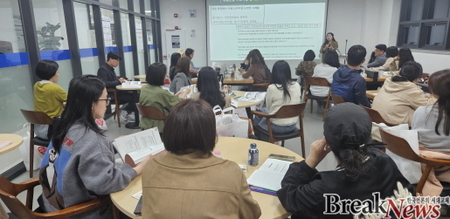
▲이수기업 작업 공간. 노동자들이 떠난 뒤, 자리가 그대로 남아 있다.
공식 보도에서는 크게 다뤄지지 않았다. 규모가 작기 때문이다.
중소 제조업체 관계자는 말했다.
“우리는 뉴스에 안 나옵니다.”
■ 구조 — 왜 반복되는가
대미 투자 확대가 진행되는 동안 수익은 상위 기업으로 집중됐다.
반면 협력사 구간에서는 납품 감소와 단가 압박이 동시에 발생했다.
두원정공은 매출 2,000억에서 400억으로 내려앉는 동안 정책은 없었다.
이수기업은 9년을 일하다 해고 통보를 받는 데 하루도 걸리지 않았다.
1차 협력사와 2·3차 협력사 간 지원 체계의 간극이 존재한다는 지적이 나온다.
■ 이재명 대통령에게 묻는다
이 흐름이 개별 기업 문제인지, 아니면 구조적 변화인지 판단하고 있는가.
정부는 어느 지점에서 개입할 것인가.
■ 김성환 산업통상자원부 장관에게 묻는다
2·3차 협력사를 포함한 공급망 전반에 대한 관리 기준이 존재하는가.
정책은 어느 구간까지 작동하는가.
■ 엔딩
“남은 기업이 아니라, 사라지는 흐름을 봐야 한다.”
■ 이 취재는 여기서 끝나지 않는다
알룩스는 시작이었다. 두원정공과 이수기업은 과정이었다. 다음은 누구인가.
브레이크뉴스는 현재 2·3차 협력사 라인을 중심으로 추가 사례를 추적 중이다. 복수의 기업에서 유사한 흐름이 확인되고 있다.
납품 감소, 단가 하락, 현금 흐름 악화. 공통된 패턴이 반복되고 있다.
다음 보도에서는 특정 기업 1곳을 집중 추적한다. 재무 흐름, 거래 구조, 변화 시점을 중심으로 사실관계를 검증할 예정이다.
이건 예고가 아니다. 이미 진행 중인 취재다.
아래는 위 기사를 구글 번역을 통해 영문으로 옮긴 전문입니다. 이해를 돕기 위한 참고용 번역으로, 일부 표현에는 원문의 뉘앙스와 차이가 있을 수 있습니다.
The following is a reference translation generated for reader convenience. Some nuances may differ from the original Korean text.
By Park Cheol-seong, Veteran Journalist
Director of the Research Center · Columnist
■ A Year into the Tariff War, Big Corporations Survived… <2> The Order in Which Names Disappear
■ President Lee Jae-myung and Minister Kim Sung-hwan — Are You Aware of This Pattern?
Alux was the beginning. Doowon Precision went bankrupt. Isu Company shut down.
These are individual cases, but the pattern continues.
■ Doowon Precision — The Numbers Spoke First
Founded in 1974 in Anseong, Gyeonggi Province, Doowon Precision supplied diesel fuel injection systems to Hyundai Motor, Hyundai Wia, and Mobis.
At its peak in the 1990s, it recorded annual sales of 200 billion won and employed 1,200 workers. It was one of the largest mid-sized companies in the region.
Then the environment changed. Regulations tightened. Demand for diesel vehicles declined. Orders stopped. Labor costs rose.
The company endured, but the numbers did not.
Sales fell to around 40 billion won. The workforce shrank to about 150.
In July 2023, it filed for corporate rehabilitation.
On December 26, 2025, the Suwon Bankruptcy Court declared it bankrupt.
Compared to its peak, its workforce fell to one-eighth, and sales to one-fifth.
Something disappeared in between.
■ Isu Company — Changes Too Small to Be Recorded
Isu Company was a first-tier subcontractor responsible for transporting finished vehicles from Hyundai Motor’s Ulsan plant export yard to the PDI (Pre-Delivery Inspection) process. It lasted nine years from 2015.
On September 30, 2024, it shut down.
All 34 workers were laid off.
|
▲ ©호주브레이크뉴스 |
▲Workspace of Isu Company. After the workers left, their places remain as they were.
It was barely covered in the media. Because it was small.
A small manufacturing business official said:
“We never make the news.”
■ The Structure — Why This Repeats
As investment in the United States expanded, profits concentrated at the top.
Meanwhile, in the supplier tiers, declining orders and price pressure occurred simultaneously.
Doowon Precision fell from 200 billion won to 40 billion won in sales — without policy intervention.
At Isu Company, it took less than a day for nine years of work to end in layoffs.
There is a growing concern about the gap in support systems between first-tier and second- and third-tier suppliers.
■ A Question to President Lee Jae-myung
Is this a series of isolated cases, or a structural shift?
Where, and when, will the government intervene?
■ A Question to Minister of Trade, Industry and Energy Kim Sung-hwan
Is there a framework that covers the entire supply chain, including second- and third-tier suppliers?
How far does policy actually reach?
■ Ending
“What we must see is not the companies that remain, but the pattern of those disappearing.”
■ This Investigation Does Not End Here
Alux was the beginning. Doowon Precision and Isu Company were part of the process. Who is next?
Break News is currently tracking additional cases along the second- and third-tier supplier lines. Similar patterns have already been identified across multiple companies.
Orders decline. Prices fall. Cash flow collapses.
The same pattern repeats.
The next report will focus on one specific company, examining financial flows, transaction structures, and the timing of its collapse.
This is not a preview.
This investigation is already underway.
원본 기사 보기:호주브레이크뉴스