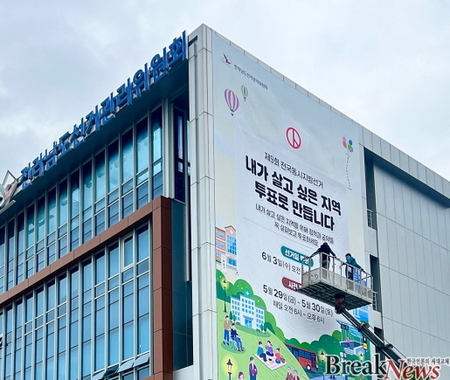
▲과천 중앙선거관리위원회 청사 건물. ©뉴시스 |
이재명 대통령은 "개헌이 필요하다"면서 "개헌 전 연임, 중임 않겠다."는 선언하라는 장동혁 야당 대표의 요구에 왜 즉답을 안 하는 것인가" 헌법 개정을 말하면서도 왜 가장 단순하고도 본질적인 원칙을 외면하는가? “헌법 128조는 절대 건드려서는 안 된다.” 이 한 마디가 그렇게 어려운 것인가?
현행 대한민국 헌법은 대통령의 장기 집권을 원천적으로 차단하기 위해 강력한 안전장치를 두고 있다. 헌법 제128조 제2항은 명확하다. “대통령의 임기 연장 또는 중임 변경을 위한 헌법 개정은, 그 개정 제안 당시의 대통령에게는 효력이 없다.” 즉, 개헌을 추진한 대통령 자신에게는 임기 연장도, 중임 허용도 적용되지 않는다는 원칙이다. 권력자가 스스로 권력을 늘리는 길을 차단한, 민주공화국의 최소한의 방어선이다.
이 조항은 결코 우연히 만들어진 것이 아니다. 과거 독재 권력이 ‘셀프 개헌’을 통해 장기 집권을 이어갔던 한국 현대사의 뼈아픈 교훈이 응축된 결과다. 그래서 헌법 128조는 단순한 조문이 아니라, 민주주의의 최후 보루다. 그렇기에 지금 진행되는 개헌 논의에서 가장 먼저, 가장 분명하게 선언되어야 할 원칙은 바로 ‘128조 고수’다.
특히 대선 전 개헌 논의 당시를 돌아보면 더욱 그렇다. 윤석열 대통령 탄핵으로 치러지는 조기 대선 국면에서, 임기 단축과 대통령 중임제를 포함한 ‘제7공화국 개헌으로의 과도기적 역할’에 대해 상당한 정치적 공감대가 형성되어 있었다. 당시 주요 예비 주자들 대부분이 이를 공약으로 내세웠다.
그러나 유독 이재명 후보만은 개헌에 소극적이었다. 심지어 헌법 128조에 대해서도 “87년의 민심과 지금의 민심이 꼭 일치한다고 볼 수 없다”는 취지로, 분명한 입장을 피했던 기억은 여전히 선명하다. 그래서 더 묻지 않을 수 없다. 지금의 개헌 논의에서, 과연 헌법 128조는 안전한가? 더욱 우려스러운 것은 현재 집권 세력의 권력 운용 방식이다. 전대미문의 독주로 삼권분립과 민주공화국의 원리를 형해화시키고 있는 상황에서, ‘단계적 개헌 추진’이라는 표현은 결코 가볍게 들리지 않는다.
대법원장 고발과 탄핵 추진, 공소 취소를 위한 "결론을 정해 놓은 "답정너 국정조사" 그리고 증인 채택 과정에서 드러난 노골적인 편향성. 여당이 선정한 증인만 100% 채택하고, 야당측만 요구한 인물들은 전원 배제하는 일방적 행태가 반복되고 있다.
이는 견제와 균형이라는 민주주의의 기본 원리를 정면으로 훼손하는 모습이다. 그 와중에 대통령은 국제정세와 경제 위기를 “일시적 소나기가 아니라 폭풍우”라고 규정하며 ‘전쟁 추경’이라는 표현까지 동원한다. 그러나 정작 국정의 중심은 어디에 있는가. "위기와 고통 속 민생"이 아니라, 자신의 사법 리스크를 제거하는 데 쏠려 있는 것은 아닌가. 재판 중단을 넘어, 공소 자체를 취소하려는 일련의 시도는 상식을 한참 벗어나고 있다. 국민이 고통 속에 버티고 있는 사이, 권력은 자신을 보호하는 데 총력을 기울이고 있다.
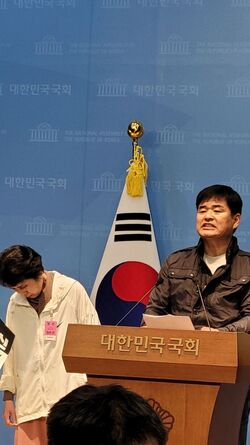
 ▲필자/전병헌 새미래민주당 대표. ©브레이크뉴스 |
이러한 조급함은 오히려 역설을 낳는다. 사법 리스크를 덮으려 할수록, 그 리스크의 실체를 더 또렷하게 드러내고 있다는 의심이다. 그래서 다시, 가장 단순한 질문으로 돌아간다. 헌법 128조를 지킬 것인가, 아니면 묵살할 것인가. 이 질문에 답하지 않는 개헌 논의는, 개혁이 아니라 권력 연장의 또 다른 이름일 뿐이다.
*필자/전병헌 새미래민주당 대표.
*아래는 위 기사를 '구글 번역'으로 번역한 영문 기사의 [전문]입니다. '구글번역'은 이해도 높이기를 위해 노력하고 있습니다. 영문 번역에 오류가 있을 수 있음을 전제로 합니다.<*The following is [the full text] of the English article translated by 'Google Translate'. 'Google Translate' is working hard to improve understanding. It is assumed that there may be errors in the English translation.>
Article 128 of the Constitution: The Silent Power—The Shadow of a ‘Self-Amendment’ Casts Again!
- Jeon Byung-hun, Leader of the New Future Democratic Party
Why is President Lee Jae-myung not giving an immediate answer to the demand from opposition leader Jang Dong-hyuk to declare, "I will not serve consecutive terms or re-election before the amendment," while claiming that "a constitutional amendment is necessary"? Why is he ignoring the simplest and most fundamental principle while speaking of constitutional revision? Is it so difficult to say, "Article 128 of the Constitution must never be touched"?
The current Constitution of the Republic of Korea includes strong safeguards to fundamentally block the long-term rule of the President. Article 128, Paragraph 2 of the Constitution is clear: "A constitutional amendment for the extension of the President's term or a change in the re-election system shall not be effective for the President in office at the time the amendment is proposed." In other words, the principle is that neither term extensions nor the allowance for re-election apply to the President who pushed for the constitutional amendment. It is the minimum line of defense of a democratic republic that blocks the path for those in power to expand their own authority.
This provision was by no means created by chance. It is the result of the condensed, painful lessons of modern Korean history, where past dictatorial regimes maintained long-term rule through "self-amendments." Therefore, Article 128 of the Constitution is not merely a provision, but the last bastion of democracy. Consequently, the principle that must be declared first and most clearly in the current discussions on constitutional amendment is precisely the "adherence to Article 128."
This is especially true when looking back at the discussions on constitutional amendment prior to the presidential election. In the context of the early election held following the impeachment of President Yoon Suk-yeol, a significant political consensus had formed regarding a "transitional role toward a 7th Republic constitutional amendment," which included shortening the presidential term and allowing for re-election. At the time, most major prospective candidates put this forward as a campaign pledge.
However, Candidate Lee Jae-myung was uniquely passive regarding constitutional amendment. He was even reluctant regarding Article 128 of the Constitution... I still vividly remember the avoidance of a clear stance, arguing that "the public sentiment of 1987 cannot be considered identical to that of today." Therefore, I cannot help but ask again: In the current discussions on constitutional amendment, is Article 128 of the Constitution truly safe? Even more concerning is the way the current ruling power exercises its authority. In a situation where the principles of the separation of powers and the democratic republic are being rendered hollow through unprecedented unilateralism, the phrase "pursuing a phased constitutional amendment" does not sound light at all.
From the filing of charges against the Chief Justice and the push for impeachment, to the "predetermined conclusion" parliamentary investigation aimed at dropping charges, and the blatant bias revealed in the witness selection process—unilateral behavior is being repeated in which 100% of the witnesses selected by the ruling party are adopted, while all figures requested solely by the opposition are excluded.
This directly undermines the fundamental principles of democracy known as checks and balances. Amidst this, the President characterizes the international situation and economic crisis as “not a passing shower, but a storm,” even resorting to the expression “war supplementary budget.” However, where does the true center of state affairs lie? Is the focus not on “livelihoods amidst crisis and suffering,” but rather on eliminating his own legal risks? The series of attempts to go beyond merely suspending trials to withdrawing the indictment itself goes far beyond common sense. While the people endure suffering, the administration is pouring all its efforts into protecting itself.
This impatience, however, creates a paradox. It raises the suspicion that the more they try to cover up legal risks, the more clearly they reveal the true nature of those risks. Therefore, we return to the simplest question: Will Article 128 of the Constitution be upheld, or will it be ignored? Discussions on constitutional amendment that fail to answer this question are not reform, but merely another name for the extension of power.
*Author / Jeon Byung-hun, Leader of the New Future Democratic Party