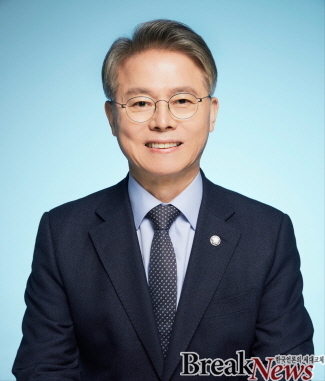
▲ 한동훈 전 국민의힘 대표. ©뉴시스 |
나는 과거 한동훈 국민의힘 전 대표의 정치 행보에 비판적이었다. 그가 보여준 것은 큰 판을 읽는 고수의 정치가 아니라, 꼼수에 머무르는 하수의 정치였기 때문이다. 그래서 <최보식의 언론>에 “한동훈이 정치해서는 안 되는 9가지 이유”라는 칼럼까지 썼다. 그러나 지금은 개인적 평가를 말할 때가 아니다. 장동혁 지도부 역시 나의 고언을 받아들일 것이라 믿는다. 기준은 단 하나다. 보수를 살릴 수 있느냐다.
지금 보수의 생사는 수도권에서 결정된다. 서울·경기·인천에서 다시 패배하는 순간, 보수 재건은 구호로 끝난다. 부울경은 공천 잡음으로 패색이 짙고, 대구마저 더 이상 절대 안전지대가 아니다. 이번 선거의 본질은 명확하다. 수도권에서 이길 수 있느냐 없느냐다.
지방선거는 대선과 다르다. 투표율이 낮을수록 조직력과 결집력이 승패를 가른다. 그리고 그 결집을 좌우하는 것은 정책이 아니라 ‘대진표’다. 선거가 흥행하면 투표율이 올라가고, 중도층이 움직인다. 그 순간 판은 바뀐다.
이번 선거에서 그 조건이 가장 강하게 작동하는 곳이 경기도다. 특히 추미애가 민주당 후보로 확정되면서, 선거는 단순한 지방선거를 넘어 전국적 정치 대결로 격상된다. 문재인 정부 시절 윤석열 검찰총장과 추미애 법무부 장관의 충돌은 여전히 유권자의 기억 속에 남아 있다. 그리고 그 전선의 중심에 있었던 인물이 바로 한동훈이다.
이 구도가 재현되는 순간, 선거는 정책 경쟁이 아니라 상징 경쟁으로 바뀐다. 문제는 누가 그 상징을 감당할 수 있느냐다. 지금 이 대결 구도를 현실 정치로 끌어낼 수 있는 인물은 한동훈이 사실상 유일하다.
그에게는 부산이라는 선택지가 있다. 당선 가능성도 높다. 그러나 그 선택은 ‘승리’일 뿐, 판을 바꾸지는 못한다. 고수의 정치는 이미 짜인 판에서 이기는 것이 아니라, 판 자체를 바꾸는 데서 시작된다. 지금 필요한 것은 이길 수 있는 후보가 아니라, 판을 흔들 수 있는 카드다.
경기도는 구조적으로 불리한 전장이다. 인구는 많고, 정치 성향은 분산돼 있으며, 이재명 대통령 당선 이후 밴드웨건 효과까지 작동하고 있다. 평범한 카드로는 승부 자체가 성립되지 않는다. 약한 카드를 내고 패배를 확인할 것인가, 아니면 가장 강한 카드를 던져 판을 흔들 것인가. 답은 이미 나와 있다.
여기서 우리는 노무현 전 대통령을 떠올릴 수밖에 없다. 그는 부산에서 세 번 낙선했다. 모두가 무모하다고 했다. 그러나 그 도전은 지역주의에 균열을 냈고, 결국 전국 정치의 흐름을 바꿨다. 그의 가치는 승리가 아니라 도전의 방향에서 나왔다. 험지에서 싸운 정치인은 패배해도 사라지지 않는다. 오히려 더 크게 돌아온다. 정치는 이력서로 완성되지 않는다. 정치는 전장에서 완성된다.
수도권 선거는 구조로 움직인다. 서울에서 오세훈이 보여준 것처럼, 기반·승부처·확장 공간이 유기적으로 맞물릴 때 승리가 만들어진다. 이를 경기도에 대입하면 분당·판교·과천은 기반, 성남·용인·수원은 승부처, 외곽 신도시는 확장 공간이다. 이 구조를 움직이려면 단순한 관리형 후보가 아니라, 이슈를 만들어내는 정치인이 필요하다.
한동훈은 그 역할을 수행할 수 있는 몇 안 되는 인물이다. 그의 정치적 상징성은 이미 형성돼 있다. 선거는 결국 서사의 싸움이고, 지금 경기도는 그 서사가 만들어질 수 있는 거의 유일한 전장이다.
이번 선거는 개별 지역의 문제가 아니다. 수도권 전체가 하나의 전선이다. 경기에서 불이 붙으면 서울이 움직이고, 인천으로 확산된다. 반대로 경기에서 물러나는 순간 수도권 전략 전체가 무너진다. 지금 국민의힘의 위기는 인물 부족이 아니라, 배치의 실패다.
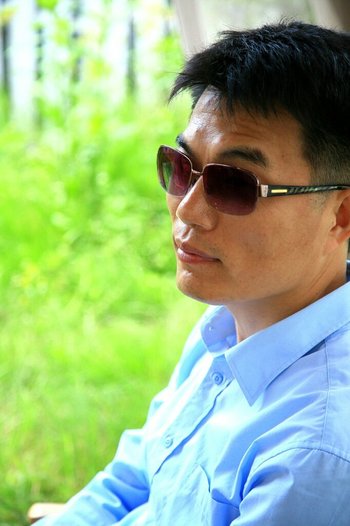
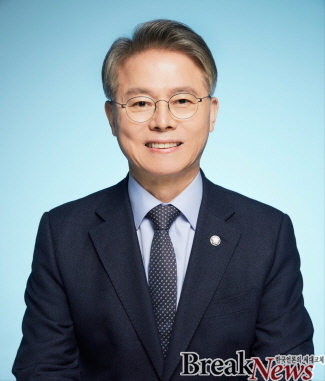
 ▲ 필자/김정기 칼럼니스트. ©브레이크뉴스 |
그래서 질문은 단순하다. 한동훈에게 지금 필요한 것은 무엇인가. 쉬운 승리인가, 어려운 정치인가. 부산을 선택하면 당선될 수 있다. 그러나 그것은 안전한 선택일 뿐이다. 경기를 선택해야 비로소 정치가 시작된다. 꼼수에 머무르는 하수의 정치는 안전지대를 찾는다. 큰 판을 읽는 고수의 정치는 전장을 선택한다. 부산은 승리다. 경기는 정치다. Jeongkeekim@naver.com
*필자/김정기 ● 학력- 뉴욕주립대학교(Stony Brook) 정치학과 수석 졸업- 마케트대학교(Marquette) 로스쿨 법학박사- 하버드대학교(Harvard) 케네디스쿨 최고위 과정- 베이징대학교(Peking) 북한학 연구학자
● 경력
세계스마트시티기구(WeGO) 사무총장 (현) -유엔 국제전기통신연합 (UN ITU) 가상세계 및 AI 글로벌 이니셔티브 집행위원(현) -제8대 주상하이 대한민국 총영사 -2010 상하이 세계 엑스표 대한민국관 정부대표 -법무법인 대륙아주 중국 총괄 미국변호사 -동국대학교 경영전문대학원 석좌교수 –숭실사이버대학교 총장 –칼럼니스트.
● 저서
1. 대학생을 위한 거로영어연구[전 10권](거로출판사) 2. 나는 1%의 가능성에 도전한다(조선일보사) 3. 한국형 협상의 법칙(청년정신사) 4. 대한민국과 세계 이야기 (도서출판 책미듬) 5. Korea and the World (Advance Reader Copy). Jeongkeekim@naver.com
[영문 칼럼[● Han Dong-hoon Must Go to Gyeonggi Province — A Three-Pronged Capital Region Strategy Is the Only Way for Conservatives to Survive
By Jeong-kee Kim, Political Columnist and Secretary General of the World Smart Sustainable Cities Organization(WeGO)
I have been critical of Han Dong-hoon’s political trajectory in the past. What he demonstrated was not the politics of a master who reads the bigger picture, but that of a novice confined to tactical maneuvers. I even wrote a column titled “Nine Reasons Why Han Dong-hoon Should Not Enter Politics” in Choi Bo-sik’s Media.
But now is not the time for personal judgments. I believe the leadership under Jang Dong-hyuk will also heed this advice. There is only one standard: whether conservatism can be revived.
The fate of conservatism will be decided in the Capital Region. If conservatives lose again in Seoul, Gyeonggi, and Incheon, rebuilding the movement will remain nothing more than rhetoric. The Busan–Ulsan–Gyeongnam bloc is already faltering due to nomination disputes, and even Daegu is no longer an absolute stronghold. The essence of this election is clear: can conservatives win in the Capital Region or not?
Local elections are different from presidential elections. Lower turnout makes organization and voter mobilization decisive. And what drives that mobilization is not policy, but the “match-up.” When an election becomes competitive and compelling, turnout rises and moderates begin to move. That is when the game changes.
In this election, that dynamic is strongest in Gyeonggi Province. Once Choo Mi-ae emerges as the Democratic Party candidate, the race will transcend a local contest and become a national political showdown. The clash between Prosecutor General Yoon Suk-yeol and Justice Minister Choo during the Moon Jae-in administration still lingers in the public’s memory. And at the center of that front line stood Han Dong-hoon.
If this confrontation is revived, the election will shift from a competition of policies to a competition of symbols. The question is: who can embody that symbol? At present, Han Dong-hoon is virtually the only figure capable of translating this symbolic confrontation into real politics.
He has another option: Busan. His chances of winning there are high. But that would be merely a “victory,” not a transformation of the playing field. The politics of a master does not begin with winning within a given structure—it begins with reshaping the structure itself. What is needed now is not a candidate who can win safely, but a candidate who can disrupt the game.
Gyeonggi is structurally unfavorable terrain. Its large population, fragmented political inclinations, and the bandwagon effect following President Lee Jae-myung’s election all make it a difficult battleground. With an ordinary candidate, the contest itself cannot take shape. The choice is simple: accept defeat with a weak card, or shake the board with the strongest one.
At this point, we cannot help but recall former President Roh Moo-hyun. He lost three times in Busan. Many called it reckless. Yet his challenge cracked regionalism and ultimately reshaped national politics. His value did not lie in victory, but in the direction of his challenge. A politician who fights in difficult terrain does not disappear in defeat—he returns stronger. Politics is not completed on a résumé; it is forged on the battlefield.
Elections in the Capital Region are driven by structure. As Mayor Oh Se-hoon demonstrated in Seoul, victory emerges when base, battleground, and expansion zones are organically aligned. Applied to Gyeonggi, Bundang, Pangyo, and Gwacheon form the base; Seongnam, Yongin, and Suwon are the battleground; and the outer new towns serve as expansion zones. To activate this structure requires not a caretaker candidate, but a politician who generates momentum and issues.
Han Dong-hoon is one of the few capable of playing that role. His political symbolism is already established. Elections are ultimately battles of narrative, and Gyeonggi is virtually the only arena where such a narrative can be built.
This election is not about individual regions. The entire Capital Region is a single front. If a spark is lit in Gyeonggi, Seoul will move, and Incheon will follow. But if Gyeonggi is abandoned, the entire Capital Region strategy collapses. The current crisis of the conservative party is not a lack of talent, but a failure of deployment.
The question, therefore, is simple: what does Han Dong-hoon need now? An easy victory, or difficult politics? Choosing Busan may secure a win, but it remains a safe choice. Choosing Gyeonggi is where politics truly begins. The novice, trapped in tactics, seeks safe ground. The master, who reads the larger game, chooses the battlefield.
Busan is victory. Gyeonggi is politics.
*Author / Jeong-kee Kim
● Education
-B.A. in Political Science (Summa Cum Laude), State University of New York at Stony Brook -Doctor of Jurisprudence, Marquette University Law School -Senior Executive Program, Harvard Kennedy School -Research Scholar in North Korean Studies, Peking University
● Professional Experience
-Secretary-General, World Smart Sustainable Cities Organization (Current) -Executive Committee Member, Virtual World & AI Global Initiative, International Telecommunication Union (Current) -8th Consul General of the Republic of Korea in Shanghai -Commissioner General, Korea Pavilion, Expo 2010 Shanghai China -Senior Attorney-at-Law, DR& Aju LLC -Distinguished Chair Professor, Graduate School of Business, Dongguk University -President, Soongsil Cyber University -Columnist
● Publications
-Georo English Studies Series for College Students (Georo Publishing) -I Challenge the Possibility of One Percent (Chosun Ilbo) -The Art of K-Negotiation (Cheongnyeonjeongsin Publishing) -Korea and the World (Chaekmideum Publishing)
*Email: Jeongkeekim@naver.com