|
2015년 말 현재 일본에 90일을 넘어 체재하고 외국인 등록을 한 폴란드 국적자는 1,653명. 재류 자격별로 보면 기능의 435명이 가장 많았고, 영주자가 379명, 유학 195명 일본인 배우자 등이 178명이다.도도 부현 별로는 역사적 배경에서 나가사키 현에 가장 많이 451명이다.
일본의 폴란드인의 역사는 오래 되어, 1861년에 나가사키에 폴란드계 유대인이 이주하고 있다.
1941년에는 센포 스기하라를 통한 비자 발급 등에 의한 폴란드 출신 유대인 난민이 고베로 이주해 그 뒤 태평양 전쟁으로 인한 영향 때문에 상하이로 이주했다.
As of the end of 2015, there are 1,653 Polish nationals who have stayed in Japan for over 90 days and have registered as foreigners. By status of residence, the most skilled person is 435 , followed by permanent residents with 379 , foreign students with 195 , and spouses with 178 .Due to the historical background, Nagasaki Prefecture has the largest number of participants, 451, by prefecture.
Polish people living in Japan are Polish or Polish nationals who have lived in Japan for a certain period of time. Those who naturalized or defected to Japan and their descendants are called Polish Japanese. Polish Jews migrated to Nagasaki in 1861 in Japan, which has a long history. In the days of the constitutional Kingdom of Poland, which was virtually ruled by the Russian Empire, many Polish people were sent to Far East Russia as places where Polish independence were exiled. In particular, many people moved to Karafuto, and in Minamikarafuto, which was incorporated into the Empire of Japan from Russia under the Treaty of Portsmouth, there were Slavic peoples who remained without returning to their homeland. After becoming Japanese territory, they were granted Polish nationality and coexisted with Japanese as Polish residents in Japan. In addition, among the white Russians who defected to Japan from the Far East Siberia around the time of the Russian Revolution, many Polish were actually speaking Russian, although they were Russians for the benefit of their lives in Japan. In particular, there were many Polish Jews. The war at the time of Poland's independence killed many people, and many people died of hunger, and as a result, many Polish orphans were born in Siberia. In September 1919, the Polish people living in Vladivostok organized the Polish Relief Commission out of concern that at least the children could not be sent back to their country. However, with the start of the Polish-Soviet War in 1919, it became impossible to send back to their homeland by Siberian Railway. Around this time, many Jewish people living in Poland were taken captive to Siberia. The Polish Relief Commission has asked European, Latin American and Caribbean nations and the Middle East for assistance. The Japanese government asked for the acceptance of the child, and the Japanese government decided to accept the Polish orphan. Between 1920 and 1922, a total of 765 Siberian orphans were accepted on several occasions. In addition, 65 Polish adults were accepted as nurses of orphans, and they lived in Japan for about a year under the strict protection of Tokyo and Osaka. After that, the orphans returned to Poland safely, including many Jewish Polish people. In 1941, due to the issuance of visas by China SUGIHARA, Jewish refugees from Poland moved to Kobe, and then to Shanghai, due to the influence of the Pacific War.
2015年末現在、日本に90日を超えて滞在し、外国人登録を行っているポーランド国籍者は1,653人。在留資格別に見ると技能の435人が最も多く、次いで永住者が379人、留学195人、日本人の配偶者等が178人となっている。都道府県別では歴史的な背景から長崎県に最も多く451人となっている。在日ポーランド人(ざいにちポーランドじん)は、日本に一定期間在住するポーランド人ないしポーランド国籍の人々である。 また、日本に帰化や亡命した人、およびその子孫のことをポーランド系日本人と呼ぶ. 日本におけるポーランド人の歴史は古く、1861年に長崎にポーランド系ユダヤ人が移住している。 実質的にロシア帝国に支配されていたポーランド立憲王国時代、多数のポーランド人がポーランド独立主義者の流刑の地として極東ロシアへ送り込まれた。特に樺太に移住する者も多く、ポーツマス条約によりロシア帝国から大日本帝国に編入された南樺太には、祖国に引き揚げないでそのまま残留し続けたスラヴ系住民が存在し、その中にポーランド人も多数いたことが知られている。日本領となった後、彼らにはポーランド国籍が与えられ、在日ポーランド人として日本人と共存していた。また、ロシア革命が勃発した前後、極東シベリアから日本に亡命してきた白系ロシア人の中には、日本での生活上の利点からロシア人としてロシア語を使用していたものの、実際にはポーランド人も多数含まれていた。特にユダヤ系ポーランド人も多く含まれていた。 ポーランド独立時の戦争により多くの人が犠牲となり、また飢えなどで死ぬ人も多く、結果的にシベリアに多数のポーランド孤児が発生した。せめて子供たちだけでも祖国へ送り返すことができないものかとの思いから、1919年9月ウラジオストク在住のポーランド人によって、「ポーランド救済委員会」が組織された。しかし、1919年にポーランド・ソビエト戦争が始まったことで、シベリア鉄道で祖国へ送り返すことが不可能となった。この時期、ポーランド在住のユダヤ系住民が捕虜として大量にシベリアに搬送された。ポーランド救済委員会が欧米・中南米や中東など世界各国へ援助を求めた。日本政府は受け入れを打診し、日本政府のポーランド孤児の受け入れが決定した。1920年から1922年にかけて、数回にまたがり合計765名のシベリアのポーランド孤児を受け入れた。さらに、孤児たちの世話役として65名のポーランド人の大人も受け入れ、東京や大阪など日本各地で厚い保護の元、1年ほど生活した。その後、孤児たちは無事にポーランドへ帰還、この中には多くのユダヤ系ポーランド人が含まれていた。 1941年には杉原千畝によるビザ発給などによりポーランド出身のユダヤ人難民が神戸に移住し、その後、太平洋戦争による影響のため、上海へと移住した。 195명의 일본 배우자를 둔 여성 중 한 명으로 활발한 저술 활동을 하는 요안나는
One of the women with 195 Japanese spouses.
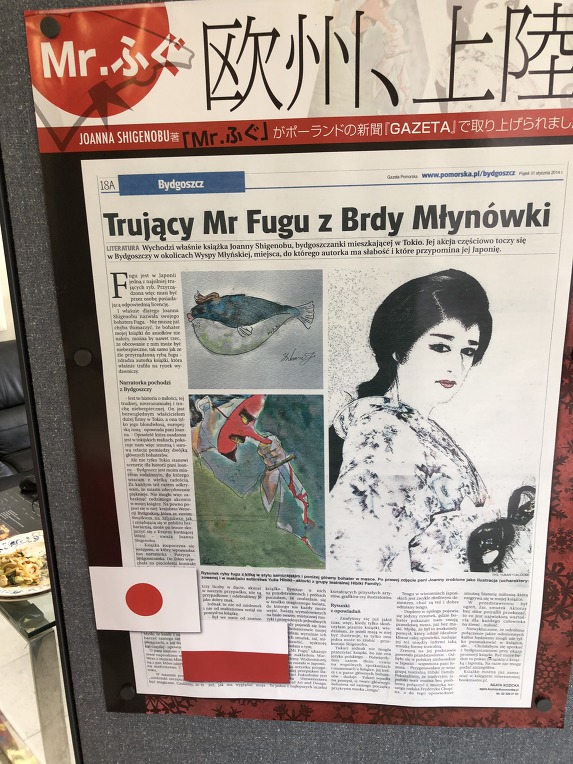
日本人配偶者195人の女性の一人.ヨハンナは多作な作家です.
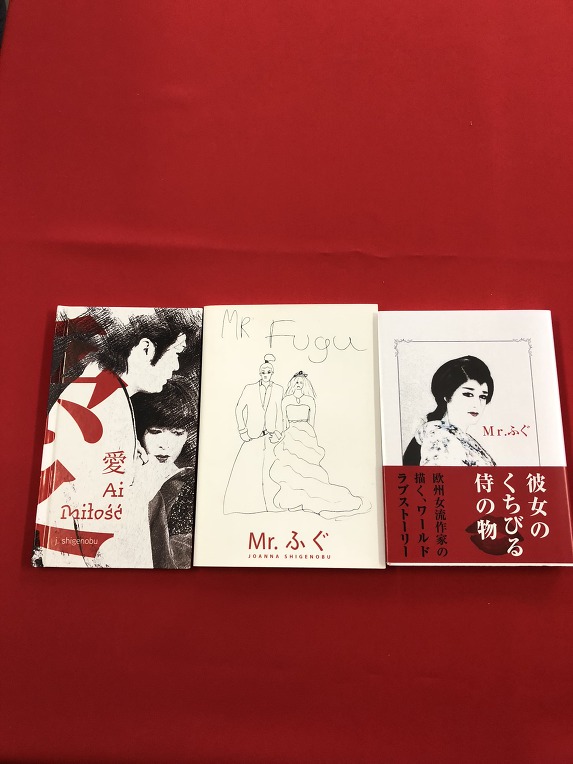
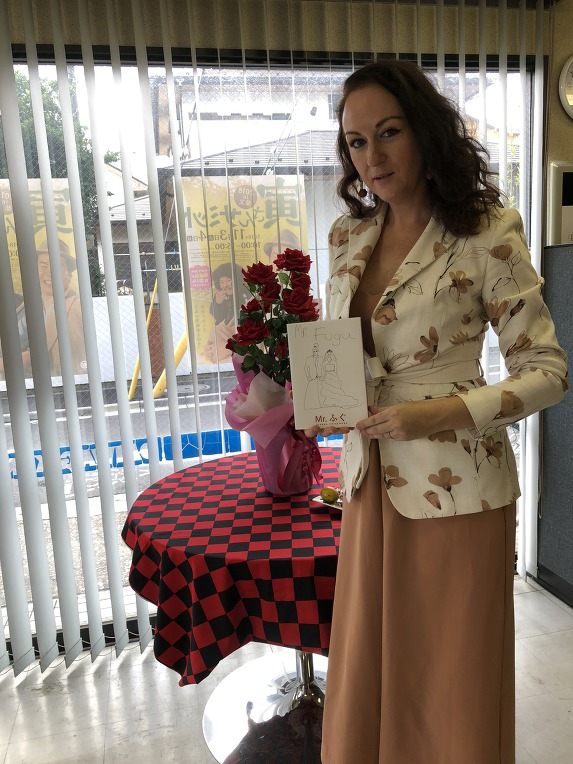
폴란의 여성 요안나 그녀의 일본 생활은 무척 열심으로 사는 것 자체다. Joanne, a Polish woman, and her Japanese life are very enthusiastic. ポルランの女性ヨアンナ彼女の日本の生活はとても熱心に生きることそのものだ。 미스터 복이란 책에서도 그녀는 행복의 이상적인 느낌을 표현하고 있다. It's a book called Mr. Fugu.She expresses the ideal feeling of happiness. フグさんという本です.彼女は理想の幸福感を表現する.
|