|
브레이크뉴스 문홍철 기자= 내년 최저임금이 1만원으로 오르면 일자리 56만3000개가 감소할 것이라는 연구결과가 나왔다.
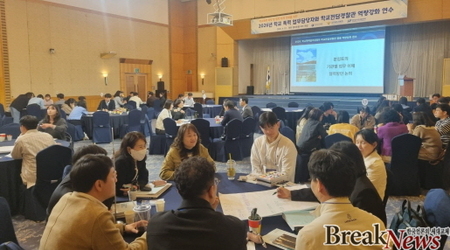
중소기업중앙회는 2일 여의도 중기중앙회에서 ‘최저임금의 중소기업 일자리 영향 토론회’를 개최했다.
이번 토론회는 지난 4월 구성된 ‘최저임금 특별위원회’가 주최했으며, 중기중앙회 의뢰로 김재현 파이터치연구원 연구실장이 연구한 ‘최저임금 관련 주요 경제 및 고용지표 분석’ 결과를 중심으로 현장의 다양한 목소리를 전달하기 위해 마련됐다.
김 연구실장은 발제에서 △2018년부터 2020년까지의 영세업종 업황과 고용지표 분석 △당시 소득분배 현황 △내년 최저임금 인상시 일자리와 경제성장에 미치는 영향 등을 다뤘다.
최저임금이 급격히 올랐던 2018년과 2019년 힘들었던 영세업종은 2020년 코로나 타격도 많이 받은 것으로 나타났다.
아울러 내년 최저임금이 9000원으로 인상시 13만4000명의 일자리가 줄어들고, 16조9000억원의 실질GDP가 감소할 것이며, 1만원으로 인상시 일자리는 56만3000명, 실질GDP는 72조3000억원이 감소할 것으로 추정됐다.
이에 대해 김 연구실장은 “2018년 최저임금 인상으로 자영업자가 더욱 힘들어지면서 오히려 저소득층의 소득이 감소했다”며 “2018년의 경험을 되새겨 소득격차 감소를 목적으로 최저임금을 인상하는 것은 바람직하지 않다”고 강조했다.
토론자로 참석한 송헌재 서울시립대 교수는 “기업이 속한 산업과 지역적 특성에 따라 기업 입장에서 근로자에게 기대하는 생산성에 차이가 있다면 이를 최대한 반영해 최저임금을 탄력적으로 설계하는 것이 고용 유지 측면에서 바람직하다”고 말했다.
구홍림 반원패션칼라사업협동조합 이사장은 “최저임금이 오르면서 도심에서 편의점 아르바이트 하는 것과 지방 산업단지 출근해서 불편한 제조업 하는 것이 임금이 같아지니, 인력난이 더 심해질 수밖에 없는 상황이다”고 호소했다.
홍성길 한국편의점주협의회 정책국장은 “주휴수당을 포함하면 이미 시급이 1만원이 넘어 초단시간 근로자만 늘어날 수밖에 없다”며 “생산성 등을 고려해 업종별·규모별 최저임금 구분적용이 필요하다”고 말했다.
재활용선별업체인 월드EP무역의 송삼연 부장은 “최저임금 인상으로 갓 입국한 외국인 근로자와 5년 이상 된 내국인 근로자의 임금이 비슷해지면서 인건비 부담은 물론이고 회사 분위기도 안 좋아졌다”고 밝혔다.
구직자 대표로 참석한 김재형 수원대학교 학생은 “최저임금이 급격히 오르고 나서 대학생들은 아르바이트도 구하기 어려워졌으며, 청년 실업률이 10%라고 하지만 현장 체감은 더 심각한 상황”이라며 “미래에 중심이 돼서 열심히 일해야 하는 우리 청년들이 일자리 안으로 들어갈 수 있는 정책이 우선돼야 한다”고 말했다.
김문식 중기중앙회 최저임금 특위 위원장은 “최저임금이 더 이상 인상률 싸움이 아니라, 실제 최저임금의 영향을 받는 산업현장을 고려해 결정돼야 한다”며 “이미 코로나로 일자리 밖으로 밀려난 이들이 많고, 코로나 타격을 회복하는 속도도 양극화가 나타나는 만큼, 최저임금 인상은 매우 심도 깊은 고민이 필요한 문제다”고 전했다.
아래는 위의 글을 구글번역이 번역한 영문의 <전문>이다. [Below is an English <Full text> translated by Google Translate.]
Voices opposing the 'minimum wage' increase... "563,000 jobs will be evaporated if 10,000 won next year"
-Reporter Moon Hong-cheol
If the minimum wage rises to 10,000 won next year, 563,000 jobs will be lost, a study has found.
On the 2nd, the Korea Federation of Small and Medium Enterprises held a discussion on the impact of minimum wage on SMEs' jobs at the Yeouido Mid-term Federation.
This forum was hosted by the 'Minimum Wage Special Committee' formed in April, and delivered various voices from the field focusing on the results of 'Minimum Wage-related Major Economic and Employment Indicator Analysis' researched by Kim Jae-hyeon, Director of the Pie Touch Research Institute, at the request of the Mid-Term Central Committee. prepared to do
In the presentation, Director Kim dealt with △analysis of the conditions of small businesses and employment indicators from 2018 to 2020 △the current income distribution situation △the effect of next year’s minimum wage increase on jobs and economic growth.
Small businesses, which had a hard time in 2018 and 2019, when the minimum wage rose sharply, were also hit hard by the corona virus in 2020.
In addition, if the minimum wage is raised to 9,000 won next year, 134,000 jobs will be lost and real GDP of 16.9 trillion won will decrease. If the minimum wage is raised to 10,000 won, there will be 563,000 jobs and 72.3 trillion won of real GDP. expected to decrease.
Regarding this, Director Kim said, “The increase in the minimum wage in 2018 made it more difficult for the self-employed, and the income of the low-income class actually decreased. It is not desirable to raise the minimum wage for the purpose of reducing the income gap by reflecting on the experience of 2018.” emphasized.
Professor Song Heon-jae of the University of Seoul, who participated as a panelist, said, “If there is a difference in productivity expected of workers from a company’s point of view depending on the industry and regional characteristics to which a company belongs, it is desirable to design the minimum wage flexibly by reflecting this as much as possible in terms of job retention.” said
Koo Hong-rim, president of Banwon Fashion and Color Business Cooperative, appealed, “As the minimum wage rises, working part-time at a convenience store in the city center and working in a manufacturing industry that is inconvenient after going to work in a local industrial complex are the same wages, so the manpower shortage is inevitably getting worse.”
Hong Seong-gil, director of policy at the Korea Convenience Store Owners' Association, said, "If the weekly holiday allowance is included, the hourly wage will already exceed 10,000 won, and only the very short-time workers will inevitably increase." "Considering productivity, it is necessary to apply the minimum wage by industry and size separately."
Sam-yeon Song, manager of World EP Trading, a recycling sorting company, said, “With the minimum wage increase, the wages of foreign workers who have just entered Korea and Korean workers who have been in Korea for more than five years have become similar, not only the labor costs but also the company atmosphere has deteriorated.”
Kim Jae-hyeong, a student from Suwon University, who attended as a job seeker representative, said, “After the minimum wage has risen sharply, it has become difficult for college students to find part-time jobs, and the youth unemployment rate is 10%, but the situation is more serious. “Policies that allow our young people to enter jobs should be prioritized,” he said.
Kim Moon-sik, chairman of the special committee on the minimum wage of the SMEs, said, “The minimum wage is no longer a fight against the increase rate, but should be decided in consideration of the industrial sites that are actually affected by the minimum wage. As polarization appears in the speed at which people are working, raising the minimum wage is an issue that requires very deep consideration.”