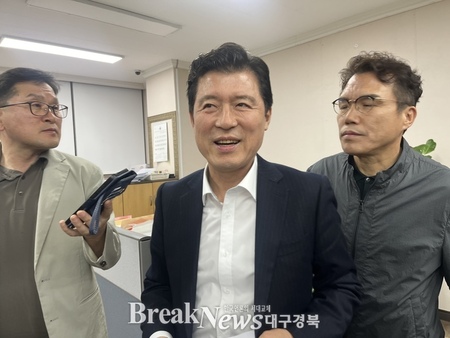
▲ 화장실문화시민연대의 간담회 장면. 이날 간담회에는 현인식 한국청화협회 사무국장, 조재경 이화여대 디자인학부 학장, 김영일 유함킴벌리 부장이 참석, 안전한 물티슈의 사용을 위한 다양한 의견을 나눴다. Hyeon In-sik (Director General of the Korea Cheonghwa Association), Jae-kyung Cho (Dean of Ewha Womans University School of Design), and Young-Il Kim (Director Ham-Kimberly Yu) attended the meeting and shared various opinions on the safe use of wet wipes. ©브레이크뉴스 |
화장실문화시민연대는 7월1일 최근 공중화장실 등에서 비수용성 위생용품(물티슈 또는 미용티슈)등의 사용량이 증가하고 있어 변기의 막힘으로 인한 문제점 및 물재생 센터의 종합협착물 처리기 고장 초래, 비수용성 위생용품(물티슈 등)사용으로 인한 환경에 미치는 영향 등과 관련된 간담회를 가졌다.
이 간담회에서는 물티슈 등 위생용품 재질 중 자연 분해되지 않는 플라스틱과 방부제가 혼합 되여 있어 용도별 제조사별 모니터링을 하여 전 국민에게 알리는 역할 등 다양한 의견들이 나누어 졌다.
이어 비수용성 위생용품(물티슈 등)이 거의 1회용품이라 자연계로 유출되는 점에 미세 플라스틱 문제도 함께 대안을 찾아보기로 했다.
이장훈 광운대 교수는 “물티슈가 폴리에스테르로 이루어졌기 때문에 미세플라스틱의 원인이 된다. 그러나 소비자는 물티슈는 그냥 물티슈이지 미세 플라스틱의 한 종류라는 생각을 미처 하지 못하고 사용을 할 수 있다”고 말했다.
표혜령 화장실문화시민연대는 “유럽연합의 경우 2021년부터 일회용 플라스틱금지를 추진 중에 있다”면서 “아무 생각 없이 써왔던 물티슈에 폴리에스테르(플라스틱)이 함유 되었다는 것을 사용자들에게 알릴 필요성이 있다”고 강조했다.
이날 간담회에는 현인식(한국청화협회 사무국장), 조재경(이화여대 디자인학부 학장), 김영일(유함킴벌리 부장)이 참석, 안전한 물티슈의 사용을 위한 다양한 의견을 나눴다.
*아래는 위 기사를 '구글 번역'으로 번역한 영문 기사의 [전문]이다. * Below is the [full text] of an English article translated from the above article as'Google Translate'.
Meeting on the use of non-water-soluble (wet wipes, etc.) sanitary products in public toilets
Pyo Hye-ryeong, president of the Citizens' Coalition for Toilet Culture, said, "The European Union is pushing for a ban on single-use plastics from 2021"
-Reporter Park Jeong-dae
The Citizens' Solidarity for Toilet Culture said on July 1 that the use of non-water-soluble sanitary products (wet tissue or beauty tissue) in public toilets has increased recently, resulting in problems due to clogging of the toilet and malfunction of the water recycling center's general stenosis treatment system. A meeting was held on the impact on the environment due to the use of sanitary products (wet wipes, etc.).
At this meeting, various opinions were divided, such as the role of monitoring each manufacturer by use and notifying the public to the public because plastics that do not decompose naturally and preservatives are mixed among the materials of sanitary products such as wet tissues.
Next, as non-water-soluble sanitary products (wet wipes, etc.) are almost disposable products, they are leaked into the natural world, so we decided to look for alternatives to the microplastic problem.
Professor Janghoon Lee of Kwangwoon University said, “Since wet wipes are made of polyester, they cause microplastics. However, consumers can use the wipes without realizing that they are just wipes and are a type of microplastic.”
The Citizens' Solidarity for Toilet Culture Pyo Hye-ryeong said, "The European Union is pushing for a ban on single-use plastics from 2021. It is necessary to inform users that the wet wipes they have been using without thinking contain polyester (plastic)." emphasized.
Hyeon In-sik (Director General of the Korea Cheonghwa Association), Jae-kyung Cho (Dean of Ewha Womans University School of Design), and Young-Il Kim (Director Ham-Kimberly Yu) attended the meeting and shared various opinions on the safe use of wet wipes.