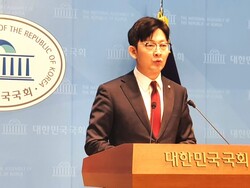
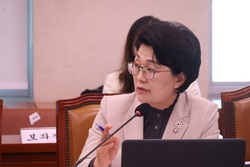
▲ 희망브리지 전국재해구호협회가 정부와 여당의 추진으로 국회에 상정된 재해구호법 일부 개정 법률안에 대한 올바른 해법을 제시하기 위해 ‘재해구호법의 발전적 개정 방향 모색을 위한 전문가 포럼’을 개최했다고 7월21일 밝혔다. © 김혜연 기자 |
재난 구호모금 전문기관 희망브리지 전국재해구호협회(회장 송필호)가 정부와 여당의 추진으로 국회에 상정된 재해구호법 일부 개정 법률안에 대해 올바른 해법을 제시하기 위해 ‘재해구호법의 발전적 개정 방향 모색을 위한 전문가 포럼’을 개최했다고 7월21일 밝혔다.
이번 포럼은 재해구호법 제정 취지에 따라 재해구호 분야에서의 민·관 역할을 살피기 위해 지난 7월16일 마련됐다. 포럼은 코로나19 감염 예방과 확산 방지를 위해 비대면 온라인(웨비나) 방식으로 진행됐다.
재해구호법은 이재민에 대한 구호와 의연금품의 모집 절차와 사용 방법 등에 관하여 필요한 사항을 규정한 법률이다. 자연재난으로 이재민이 발생했을 때 임시주거시설을 비롯한 생활필수품을 이재민에게 제공하고, 복구, 피해 보상 등을 규율한다. 재해구호법 제29조 4항에 따라 방송사와 신문사, 사회단체, 전문가 등으로 구성된 전국재해구호협회의 이사회를 배분위원회로 구성해 의연금 배분에 관한 사항을 심의·의결한다.
모금단체가 각자 기부금품을 모아 단체의 설립 목적에 따라 사용할 수 있게 한 기부금품법과 달리, 재해구호법은 행정안전부 장관에게 모집 허가를 받은 단체들이 모집한 금품을 배분위원회에 납입한 뒤 법령이 정하는 대로 이재민에게 전달하도록 규정하고 있다. 모집단체가 난립해 의연금이 중복·편중·누락 지원되는 것을 막고, 모집경비를 15%까지 사용할 수 있도록 한 기부금품 모집 및 사용에 관한 법률과 달리, 2%까지만 사용할 수 있도록 정해져 있다.
최근 3년 사이 배분위원회에 행정안전부 장관이 지명하는 사람 등이 대거 참여하고, 희망브리지의 사업 계획과 예산안을 회계연도 시작 2개월 전까지 행안부 장관에게 제출해 승인받도록 하는 등을 골자로 하는 재해구호법 개정안이 잇따라 발의되면서 국민 성금을 모아 배분하는 민간기관을 산하기관화해 의연금을 세금처럼 정부 뜻에 따라 사용할 수 있는 길을 열어주는 것이 아닌가 하는 우려의 목소리가 높다.
포럼을 시작하기 앞서 희망브리지 김정희 사무총장은 개회사에서 “재해구호법의 입법 취지를 잘 이해하지 못한 개정안이 발의돼 아쉽다”며, “재해구호 분야에 있어 희망브리지와 같은 민간기관의 역할을 새롭게 고찰할 필요가 있음을 느낀다”고 말했다.
포럼은 이주호 세한대학교 교수의 주제 발표로 시작했다. 이 교수는 ‘재해구호법 일부개정 법률안 검토보고의 요지 및 쟁점’에 대해 이야기했다. 이어서 희망브리지 라정일 재난안전연구소 부소장이 ‘재해구호법 개정안의 법적 쟁점과 개정 방향’을 주제로 발표했다.
발표 이후 진행된 종합토론은 충북대학교 이재은 교수를 좌장으로, CSR포럼 김도영 대표, 아주대학교 김서용 교수, 충북재난안전연구센터 변성수 전문위원, 희망브리지 배천직 책임연구원, 인천대학교 이창길 교수가 참여해 최근 발의된 재해구호법 개정안에 대해 깊이 있는 의견을 나눴다.
김도영 대표는 “예측이 불허한 재난의 대응을 위해서는 창의성과 유연성이 매우 중요하므로 민간의 역할이 매우 중요하다”며 “정부에서 관여하는 것보다 오히려 국민 스스로 모아서 스스로 집행할 수 있는 시스템이 고도화될 수 있도록 국가에서 지원하는 것이 필요하다”고 제안했다.
김서용 교수는 “의연금 배분에 있어 지역의 목소리를 반영할 필요도 있으나 오히려 과도하게 반영될 경우 의연금이 형평성 있게 분배될 수 없을 것”이라고 우려하며, “정부의 개입을 최소화하여 지금처럼 희망브리지에서 피해지역에 형평성 있게 도움을 주는 시스템을 유지하는 게 필요하다”는 의견을 제시했다.
이창길 교수는 “재해구호법 개정 시도는 이재민의 불편함에 기인한 변화가 아니다. 개정안의 내용을 세밀하게 살펴보면 민간기관에 대하여 공공기관이 트집을 잡기 위한 것으로 보이며 오히려 불필요한 갈등을 유발하는 것이다”라고 지적하면서 “오히려 국민들이 60년간 사회에 대한 기여도가 높은 희망브리지의 활동에 대하여 알게 하는 것이 필요하다”고 말했다.
이날 좌장을 맡은 이재은 교수는 포럼을 정리하며 “이번 포럼을 통해 국민의 신뢰와 성원을 다시 한번 되새겨 희망브리지가 재해구호 분야의 역량을 강화하는 한편, 의연금을 잘 모으고 잘 전달해 앞으로도 아픔이 있는 분들에게 차별화된 서비스를 제공할 수 있기를 바란다”고 당부했다.
재난 구호모금 전문기관인 희망브리지 전국재해구호협회는 1961년 전국의 신문사와 방송사, 사회단체가 힘을 모아 설립한 순수 민간단체이자 국내 자연재해 피해 구호금을 지원할 수 있는 유일한 법정 구호단체다.
60년 동안 1조5천억 원의 성금과 5천만 점이 넘는 구호물품을 지원했다. 특히 지난해 코로나19 극복 성금 974억 원을 모금해 2천5백만 점 가까운 물품을 방역 취약계층과 의료진, 치료시설 입소자 등에게 전달했다.
*아래는 위 기사를 '구글 번역'으로 번역한 영문 기사의 [전문]이다. * Below is the [full text] of an English article translated from the above article as'Google Translate'.
Hope Bridge ‘Expert Forum for Revision of Disaster Relief Act’
Experts "It is necessary to strengthen disaster response capabilities through the maintenance of the public-private cooperation system, not the government-led initiative"
-Reporter Hyeyeon Kim
The Hope Bridge National Disaster Relief Association (Chairman Pil-ho Song), a disaster relief fund-specializing organization, has urged the government and the ruling party to present a correct solution to the partial revision of the Disaster Relief Act, which was proposed to the National Assembly by the government and the ruling party. On July 21st, it announced that it held an expert forum for
This forum was established on July 16th to examine the role of the public and private sector in disaster relief in accordance with the purpose of enactment of the Disaster Relief Act. The forum was held in a non-face-to-face online (webinar) format to prevent infection and spread of COVID-19.
The Disaster Relief Act is a law that stipulates necessary matters concerning relief for the victims and the procedures for collecting and using donations. In the event of a disaster due to a natural disaster, it provides temporary housing and other daily necessities to the victims, and regulates restoration and damage compensation. In accordance with Article 29 (4) of the Disaster Relief Act, the Board of Directors of the National Disaster Relief Association, which is composed of broadcasters, newspapers, social groups, and experts, is formed as a distribution committee to deliberate and decide on the distribution of donations.
Unlike the Donation Act, which allows fundraising groups to collect donations and use them according to the purpose of the organization's establishment, the Disaster Relief Act requires that the funds raised by organizations that have been approved by the Minister of the Interior and Safety are paid to the distribution committee, It is stipulated that the information should be delivered to the victims of the disaster. Unlike the Act on the Recruitment and Use of Donations, which prevents overlapping, biased, or omission of donations due to crowding of soliciting groups, and allows up to 15% of the recruitment expenses, it is determined that only 2% of donations can be used.
The Disaster Relief Act, which consists of a large number of persons designated by the Minister of Public Administration and Security, participate in the distribution committee within the past three years, and submits the project plan and budget for Hope Bridge to the Minister of Public Administration and Security at least two months prior to the start of the fiscal year for approval. As the amendment bills have been proposed one after another, concerns are rising that the private institutions that collect and distribute public donations will be subordinated to open the way for donations to be used according to the government's will, like taxes.
Before starting the forum, Hope Bridge Secretary General Jeong-hee Kim said in his opening remarks, “It is regrettable that an amendment bill was proposed that did not fully understand the legislative purpose of the Disaster Relief Act.” He added, “Newly consider the role of private institutions such as Hope Bridge in the disaster relief field. “I feel the need to do it,” he said.
The forum started with the presentation of the topic by Professor Joo-ho Lee of Sehan University. Professor Lee talked about ‘the gist and issues of the report on the partial revision of the Disaster Relief Act’. Next, Deputy Director of the Hope Bridge Disaster Safety Research Institute, Ra Jeong-il, made a presentation on the topic of ‘Legal Issues and Direction of the Amendment to the Disaster Relief Act’.
After the presentation, the comprehensive discussion was held with the participation of Professor Jae-eun Lee of Chungbuk National University, Do-young Kim, CEO of CSR Forum, Professor Seo-yong Kim of Ajou University, Seong-su Byun of Chungbuk Disaster and Safety Research Center, Senior Researcher Cheon-jik Bae of Hope Bridge, and Professor Chang-gil Lee of Incheon University. We exchanged in-depth opinions on the amendment to the relief law.
CEO Kim Do-young said, “Creativity and flexibility are very important for responding to unpredictable disasters, so the role of the private sector is very important. It is necessary for the state to support it,” he suggested.
Professor Kim Seo-yong said, “It is necessary to reflect the voices of the local community in the distribution of donations, but if it is rather excessively reflected, the donations will not be distributed equitably,” said Professor Kim Seo-yong. It is necessary to maintain a system that helps the region in an equitable way,” he suggested.
Professor Chang-Gil Lee said, “The attempt to revise the Disaster Relief Act is not a change caused by the inconvenience of the victims. If you look closely at the contents of the amendment, it seems that public institutions are trying to accuse private institutions, and rather it causes unnecessary conflict.” He pointed out, “Rather, the public will come to know about Hope Bridge’s activities, which have contributed to society for the past 60 years. It needs to be done,” he said.
Professor Jae-eun Lee, who chaired the forum, said, “Through this forum, we once again remind ourselves of the people’s trust and support, so that Hope Bridge will strengthen its capabilities in the disaster relief field, while collecting and delivering donations well to those in pain in the future. We hope that we will be able to provide differentiated services.”
Hope Bridge National Disaster Relief Association, an organization specializing in disaster relief funds, is a purely private organization established in 1961 by newspapers, broadcasters, and social groups across the country, and is the only legal relief organization that can support domestic natural disaster relief funds.
Over the past 60 years, it has donated 1.5 trillion won and provided more than 50 million relief items. In particular, last year, they raised 97.4 billion won to overcome COVID-19 and delivered close to 25 million items to vulnerable groups, medical staff, and residents of treatment facilities.