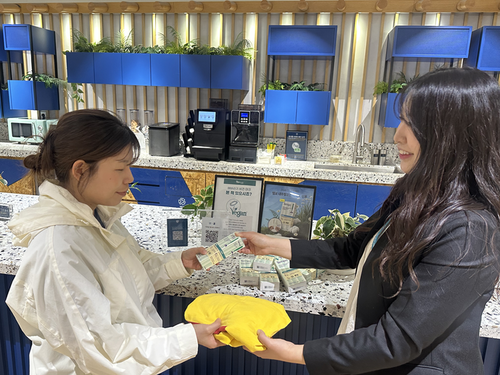
▲ 전기·가스 등 공공요금 급등으로 인해 전통시장 상인들의 시름이 깊어지는 가운데 8일 서울의 한 전통시장에 전기계량기가 설치돼있다. 2023.02.08. © 뉴시스 |
브레이크뉴스 정명훈 기자= 한국전력공사가 적자 해소를 위해 전기요금을 인상 중에 있는 가운데, 여전히 전력 구입단가가 판매단가보다 비싼 것으로 나타났다. 결국 추가 전기요금 인상은 불가피해 보인다.
15일 한전이 발표한 '전력통계월보 12월호'를 보면, 지난해 12월 발전자회사로부터 사들인 전력 구입단가는 ㎾h(킬로와트시)당 177.7원이나 판매단가는 판매단가는 140.4원에 그쳤다.
이같은 판매단가는 1년 전보다 41.8%나 올랐음에도 여전히 한전이 전력을 판매할 때 ㎾h당 37.3원을 손해보는 역마진이 발생하고 있는 것이다.
특히 당분간 '비싸게 사서 싸게 파는' 이러한 구조가 지속될 것으로 전망돼, 향후 전기요금 인상은 계속될 것으로 보인다.
현재 정부는 한전의 재무건전성을 끌어올리기 위해 지난해부터 전기요금을 인상해오고 있다. 지난해 2, 3, 4분기에도 연이어 인상했고, 올해 1분기에도 ㎾h당 13.1원을 인상했다.
앞서 산업통상자원부도 부실한 한전 재무 상황을 개선하기 위해선 ㎾h당 51.6원의 전기요금을 더 올려야 한다고 국회에 제출한 바 있다.
여기에 더해 국회입법조사처는 현안분석 보고서를 통해 ㎾h당 60.47원의 요금을 인상해야 한다는 분석까지 내놨다. 산업부가 밝힌 인상액보다 17%나 더 인상해야 적정한 전기요금이라는 것이다.
이 보고서는 "한전이 영업손실을 영업이익으로 돌리기 위해선 현재 판매단가인 kWh당 116.38원에서 52%인 60.47원 인상한 kWh당 176.85원이 돼야 한다"며 "전기 사용량이 시간대에 따라 불규칙적인 소비자 또는 종에게는 더 높은 요금을 적용해야 한다"고 강조했다.
한편 산업부는 내달 중으로 추가 인상된 2분기 전기요금안을 발표할 예정이다.
*아래는 위 기사를 '구글 번역'으로 번역한 영문 기사의 [전문]입니다. '구글번역'은 이해도 높이기를 위해 노력하고 있습니다. 영문 번역에 오류가 있을 수 있음을 전제로 합니다.<*The following is [the full text] of the English article translated by 'Google Translate'. 'Google Translate' is working hard to improve understanding. It is assumed that there may be errors in the English translation.>
KEPCO's electricity bill hike is inevitable as "I bought it at a high price and sold it at a low price."
The prospect of continuing reverse margin status...Ministry of Trade, Industry and Energy "Raises KRW 51.6 per kWh"
- Reporter Jung Myung Hoon.
While the Korea Electric Power Corporation is raising electricity rates to resolve the deficit, the unit price of electricity purchase is still higher than the unit price of sales. In the end, an additional increase in electricity bills seems inevitable.
According to the December issue of the Power Statistics Monthly Report released by KEPCO on the 15th, the unit price of electricity purchased from a power generation subsidiary in December last year was 177.7 won per kilowatt-hour, but the unit price of sales was 140.4 won.
Although the unit price of such sales rose 41.8% from a year ago, there is still a reverse margin in which KEPCO loses 37.3 won per kWh when it sells electricity.
In particular, such a structure of "buying expensive and selling cheap" is expected to continue for the time being, and electricity rate hikes are expected to continue in the future.
Currently, the government has been raising electricity rates since last year to boost KEPCO's financial health. It increased continuously in the second, third, and fourth quarters of last year, and also increased 13.1 won per kWh in the first quarter of this year.
Earlier, the Ministry of Trade, Industry and Energy also submitted to the National Assembly that the electricity bill should be raised by 51.6 won per kWh to improve KEPCO's poor financial situation.
In addition, the National Assembly's legislative investigation agency even analyzed that the rate should be raised by 60.47 won per kWh through an analysis report on pending issues. They say that it is appropriate to raise electricity rates by 17% more than the increase announced by the Ministry of Industry.
"In order for KEPCO to turn its operating loss to operating profit, it should increase its current unit price by KRW 116.38 per kWh by KRW 60.47 or 52%, to KRW 176.85 per kWh," the report said. "We need to apply higher rates to consumers or species whose electricity usage is irregular depending on the time."
Meanwhile, the Ministry of Industry will announce the electricity bill for the second quarter, which has been further raised by the end of next month.