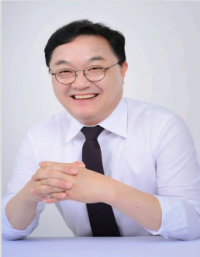
▲ 정길선 박사 ©브레이크뉴스 |
터키-시리아 동남부 지역에서 지진이 발생해 많은 현지인들이 피해를 입고 있지만 이 지진이 발생했던 지진대에는 터키인과 시리아인만 살고 있는 것이 아니다. 지진대 지역 소수민족 중 가장 많은 숫자가 쿠르드인이고 그 다음으로 많은 숫자가 아르메니아인들이 차지하고 있다. 더불어 이번 지진이 발생했던 지역은 쿠르드인들의 텃밭이나 마찬가지였던 곳이다. 이번 지진이 발생하면서 터키인과 시리아인에 비해 쿠르드인들이 엄청난 주목을 받을 줄 알았는데 이상하게도 쿠르드인들에 대한 이야기의 비중이 줄고 있다.
적어도 서방이 터키와 시리아에 대한 국제 관계에 있어 첨병으로 이용해 먹을만한 민족은 쿠르드족이다. 터키계 아르메니아인의 경우, 대부분 정교 신도들이 많은데다 러시아의 비호를 받고 있기에 이들보다는 적어도 국적도 없고 중동에서 가장 오랜 기간 동안 디아스포라를 겪고 있는 민족은 쿠르드족이다. 게다가 이번에 지진이 발생한 시리아 북부 지역의 경우, 북시리아 민주연방체제(Autonomous Administration of North and East Syria)라 하는 로자바(Rojava) 연방이 존재하고 있다. 즉, 시리아의 쿠르드족 자치지역에 국가를 세운 셈인데 아무도 승인을 안해주고 있는 전 세계에 몇 안 되는 미승인국이다.
이들은 애초부터 무장조직에서 시작했다. 따라서 인민방위대(Yekîneyên Parastina Gel, 속칭 YPG)를 갖고 있다. 비슷한 조직으로는 이라크의 쿠르드족 자치기구인 이라크 쿠르디스탄의 무장조직인 페쉬메르가(Peshmerga)가 존재한다. 2004년 시리아 쿠르드 위원회에 의해 창설되었던 이 조직은 사설 군사단체로 시리아의 알 아사드 정권에 인정을 받았다. 그 이유는 바샤르 알 아사드가 알라위파와 마론파 기독교도, 쿠르드 등을 우대했고 바샤르가 수니파를 탄압하는데 이들 조직을 이용했으며 그 역할을 충실히 따라줬기 때문이다.
다만 정당으로써 보자면 쿠르드 민주 연방이 PKK와 연계되어 이들이 다마스쿠스에서 시위를 벌였었고 아사드 정권에 의해 탄압받은 전적이 존재하였지만 수니파를 탄압하는데 적극적이었기에 바샤르로부터 간접적으로나마 인정을 받은 셈이다. 이후 소위 시리아 민주화 운동이 발생하고 이로 인해 시리아 내전으로까지 분화되자 시리아 정규군이 자신들을 보호하지 못함에 따라 사설 방위대가 재조직되어 쿠르드인들의 권리를 보호하기 시작한다. 특히 알 카에다와 ISIS가 준동하니 자유 시리아군 분파와 동맹을 맺으면서 이들과 대립하게 된다.
그러한 위협에서 2014년, 마슈드 바르자니(Mesûd Barzanî)를 주축으로 시리아와 이라크에 독립된 쿠르드 연방이 생성되었고 2016년 3월 17일 '북시리아 연방 - 로자바(Federasyona Bakûrê Sûriyê – Rojava)'를 선포하면서 본격적인 국가 형태로 나아가기 시작한다. 로자바(Rojava)는 쿠르드어로 서쪽이라는 뜻을 갖고 있고 시리아 쿠르디스탄, 혹은 서(西) 쿠르디스탄이라 불리기도 한다. 그리고 2016년 12월 28일 새 헌법을 채택하면서 정식명칭을 '북시리아 민주연방체제(Sîstema Federaliya Demokratîka Bakûrê Sûriyê)'로 개정했다.
수도 카미실리(Qamishli)로 정했지만 터키와 국경 근처였기에 비교적 후방인 아인 이사로 천도했다. 이들 로자바 쿠르드인들은 ISIS에 맞서 터키와의 국경도시인 코바니를 두고 공성전 양상의 전투를 벌였다. 분명히 쿠르드족에게 유리한 형세이지만, 전세가 소모전으로 빠져버린 상태에서 로자바 쿠르드인들 상당한 손실을 보았다. 이들 YPG는 세 지역으로 나뉘어 활동하고 있는데, 지리적으로 고립된 형세라 한쪽이 위기에 빠지면 구원할 방법이 없다. 오로지 터키를 통해 이동하는 방법 밖에 없는데 PKK에 대한 반응이 좋지 않은 터키 정부로 인해 YPG는 경계 대상이 되고 있다.
그 어려움을 이겨내고 YPG는 2015년 결국 ISIS와의 공성전에서 코바니를 사수하는데 성공하였다. 그리고 아시리아 기독교도들과의 협공으로 오히려 공세로 전환해 시리아 북부 대부분을 탈환하고 IS의 수도 라카에 가장 근접한 무장세력이 되었다. 이라크 북부가 사실상 페슈메르가의 지배하에 놓이게 된 것처럼 시리아 북부는 YPG에 의해 사실상 장악된 것이나 다름없었다. 이와 더불어 로자바 당국은 민주사회주의, 직접민주주의, 양성평등에 기반한 세속주의를 추구하며, 종교의 자유를 보장한다고 선언했다.
그런데 러시아가 이를 지지하면서 시리아 평화회담 당시 쿠르드족 자치 지역 창설을 허용할 것을 제안했다. 우선 알 아사드 정권인 시리아에 소속된다고 선언하긴 했는데 기타 중동 국가들을 중심으로 한 아랍연맹이 로자바의 존재에 대해 반대에 나섰다. 이와 더불어 터키 국경지역에 YPG의 세력범위가 늘어나고 터키 남부의 내전 상황이 격화되면서 PKK와의 연계를 우려하는 터키의 견제까지도 이어지게 된다. 2019년 10월 터키군이 시리아 국경을 넘어 로자바의 영토를 공격하기 시작하면서 터키와 전쟁이 시작된다. 미국, 쿠르드, 시리아 반군은 IS에 공동으로 맞섰지만 터키가 이미 2018년에 로자바를 테러단체로 지정하면서 로자바와의 동맹에 대해 터키는 미국에 격렬히 항의했다.
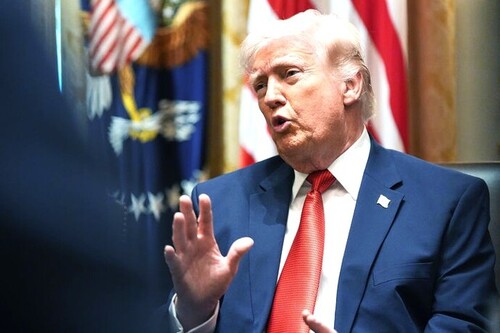
당시 미국 일각에서도 미국-터키와의 관계가 무너진다며 비판이 제기되고 있었다. 그러던 찰나에 2019년 10월 도날드 트럼프 미국 대통령이 미군을 철수시키겠다고 밝혔고 미군이 시리아에서 철수하면서 로자바의 쿠르드족은 IS 토벌을 위해 미국에게 이용당한 셈이 되었다. 미국의 대 IS 전선에서 쿠르드는 1만여명에 가까운 사상자를 내면서까지 참여할 정도로 미국의 IS 공세에 매우 협조적이었기에 미군의 철수는 터키군에게 쿠르드족을 던져준 것이나 마찬가지가 되었다. 이는 미국의 철군 선언 사흘 만에 로자바가 점유한 영토에 대해 터키군이 공습을 개시한 것을 보면 알 수 있다.
무엇보다 미국이 쿠르드를 포기한 결정적인 이유는 쿠르드의 존재 자체가 미국 입장에서는 아프가니스탄에서 고전하고 있는 당시 상황으로 볼 때, 또 다른 미군을 희생시키는 전장을 만들고 싶지 않아서였다. 시리아 내전이 초반에는 시리아 정부군과 시리아 반군의 전쟁으로 시작되었다가 이후 다에시가 개입했고 반군과 IS가 몰락한 뒤로는 시아파와 수니파 간의 대리 전쟁 양상으로 변질되어 굳이 미국이 이슬람 종파 간의 내전에서 군대를 희생시켜야 할 이유는 없었던 것이다. 터키와 쿠르드의 관계도 이와 유사하기 때문에 미국 입장에서는 발 빼는게 이득이었던 셈이다.
터키는 그동안 쿠르드 무장단체들과 꾸준하게 무력 분쟁을 이어왔고 국민들 정서 또한 전체적으로 쿠르드를 반대하는 입장이었기 때문에 쿠르드의 독립 자체는 매우 비현실적인 방안이나 다름 없었다. 그러한 와중에서 설령 쿠르드를 친미로 끌어들여 독립에 성공한다 할지라도 결국 터키와의 정치적 마찰을 겪어야 함은 물론, 전 아랍 연맹의 비난까지도 감수해야 할지도 모른다. 최악의 경우 독립한 쿠르드와 터키 간에 전쟁이 발발하고 아랍 연맹이 쿠르드를 독립시킨 미국에 반발한다면 그동안 안정적으로 수급해오던 석유 경제도 큰 타격을 받을 수 있다.
그리고 터키의 반미정서가 친 러시아 정서로 이어져 미국, 서방과 러시아 간의 대리 전쟁 양상으로 이어질 가능성도 배제할 수 없었다. 더불어 시리아의 알 아사드 정권조차도 재빠르게 외교 차관 발표를 통해 쿠르드족이 시리아 정부로 귀속해올 것을 제안하며 터키의 군사행동을 결코 묵과하지 않을 것이라는 입장을 발표했다. 시리아 정부는 쿠르드인 거주지역에 군대를 파견하고 배치하였지만 여기에 또 러시아가 개입했다. 러시아는 터키의 편을 들어 쿠르드를 인정하지 않았다.
게다가 러시아는 시리아하고도 동맹국이다. 러시아는 터키와 시리아 사이를 조정하며 쿠르드 문제를 해결하려 했다. 푸틴 대통령은 실무 방문 형식으로 에르도안 대통령을 10월 말 러시아로 초청했으며, 에르도안이 초청을 받아들이면서 모스크바에서 회담이 성사되었다. 이는 시리아 전선에 러시아가 중대한 영향을 미치는 것과 더불어 러시아군이 기존의 시리아 정부군 지원에서 벗어나 시리아 내의 분쟁을 관리하는 역할로 격상됐음을 의미한다. 한편 터키와 시리아 국경 도시들에는 2021년 1월경의 공식 통계로 364만 5557명의 시리아 난민과 쿠르드인들이 임시로 거주하고 있다.
터키 정부는 이들에 대해 인도적 거주허가를 내렸으나 경제적인 원인으로 난민에 대한 지원이 부족한 실정이며, 그나마도 EU와 국제단체의 지원금을 받아 이루어지고 있지만 그조차도 쉽지 않은 상황이다. 결국 시리아 난민들은 가지안테프와 샨리우르파, 디야르바크르 등의 대도시들을 중심으로 퍼져 슬럼가를 형성하고 있으며, 사회적 불안요인이 되어가고 있는 중에 대지진이 발생했다. 터키와 시리아에서 수많은 희생자들이 나왔지만 아직 이 지역들에 거주하고 있는 쿠르드인들에 대한 이야기는 나오지 않고 있다. 국가가 미승인국, 존재하지 않는 국가에 디아스포라 민족이기에 관심이 식어 버린 것이다. 그래서 국가와 민족의 중요성이 새삼 부각되고 있는 현실이다.
*필자/ 정길선.
노바토포스 회원, 역사학자, 고고인류학자, 칼럼니스트, 러시아 과학아카데미 유라시아 고고인류학연구소 연구교수.
*아래는 위 기사를 '구글 번역'으로 번역한 영문 기사의 [전문]입니다. '구글번역'은 이해도 높이기를 위해 노력하고 있습니다. 영문 번역에 오류가 있을 수 있음을 전제로 합니다.<*The following is [the full text] of the English article translated by 'Google Translate'. 'Google Translate' is working hard to improve understanding. It is assumed that there may be errors in the English translation.>
Kurdish stories during the 2023 earthquake in southeastern Turkey-Syria
columnist Jeong Gil-sun
Many locals are affected by the earthquake in the southeast region of Turkey-Syria, but Turks and Syrians are not the only ones living in the earthquake zone where the earthquake occurred. The largest number of ethnic minorities in the earthquake zone are Kurds, followed by Armenians. In addition, the area where the earthquake occurred was the same as the Kurdish stronghold. I thought the Kurds would receive a lot of attention from the earthquake compared to the Turks and Syrians, but strangely, the proportion of stories about the Kurds is decreasing.
At least the Kurds are the people that the West can use as the spearhead in international relations with Turkey and Syria. In the case of Turkish Armenians, there are many Orthodox believers and they are protected by Russia, so the Kurds are at least unnationalized and have been suffering from the diaspora for the longest time in the Middle East. In addition, in northern Syria, where the earthquake occurred this time, there is a Rojava federation called the Autonomous Administration of North and East Syria. In other words, it means that a state has been established in the Kurdish autonomous region of Syria, but it is one of the few unapproved countries in the world that no one approves.
They started out as an armed organization from the beginning. Therefore, they have the Yekîneyen Parastina Gel (YPG). A similar organization exists as the Peshmerga, an armed organization in Kurdistan, Iraq, a Kurdish autonomous region in Iraq. Founded in 2004 by the Syrian Kurdistan Commission, the organization was recognized by the al-Assad regime in Syria as a private military organization. It is because Bashar al-Assad favored Alawi, Maronite Christians, and Kurds, and Bashar used these organizations to oppress Sunnis, and faithfully followed their role.
However, in terms of political parties, the Kurdish Democratic Union was indirectly recognized by Bashar because it was active in suppressing Sunni Muslims, despite the fact that they had previously been suppressed by the Assad regime in connection with the PKK. Since then, when the so-called Syrian democratization movement broke out and the Syrian civil war broke out, the Syrian regular army failed to protect them, and the private defense forces reorganized and began to protect the rights of the Kurds. In particular, al-Qaida and ISIS have formed an alliance with the Free Syrian Army, confronting them.
From that threat, in 2014, an independent Kurdish federation was created in Syria and Iraq, led by Mesud Barzanî, and on March 17, 2016, the Federation of North Syria - Rojava - began to move forward into a full-fledged state. Rojava, which means west in Kurdish, is also called Syria Kurdistan or West Kurdistan. On December 28, 2016, when the new constitution was adopted, the official name was revised to Sîstema Federaliaka Demokratîka Bakurê̂kSu.
It was set as the capital Qamishli, but because it was close to the border with Turkey, he passed away as Ain Issa, a relatively rear-end. These Rojava Kurds fought a siege war against ISIS over Kobani, a border city with Turkey. It is clearly in the Kurdish favor, but the war has led to significant losses for the Rojava Kurds. These YPGs are divided into three regions, and since they are geographically isolated, there is no way to save one side if it falls into crisis. The only way is to move through Turkey, but due to the Turkish government's poor response to the PKK, the YPG is on alert.
In 2015, the YPG ultimately succeeded in defeating Kobani in a siege against ISIS. In addition, through collaboration with Assyrian Christians, it turned into an offensive, recapturing most of northern Syria, and becoming the closest militants to ISIS' capital, Raqqa. Just as northern Iraq was effectively under the control of the Peschmerga, northern Syria was effectively controlled by the YPG. Additionally, the Rojava authorities declared that religious freedom was guaranteed in pursuit of secularism based on democratic socialism, direct democracy, and gender equality.
However, Russia supported this and suggested allowing the creation of a Kurdish autonomous region during the Syrian peace talks. First of all, it was declared that it belonged to Syria, an al-Assad regime, but the Arab League, centered on other Middle Eastern countries, opposed Rojava's existence. At the same time, as the YPG's range of influence in Turkey's border areas increases and the civil war in the south of Turkey intensifies, Turkey's checks on its links to the PKK will continue. The war with Turkey begins in October 2019 when Turkish troops cross the Syrian border and start attacking Rojava's territory. The United States, the Kurdish, and Syrian rebels jointly opposed IS, but Turkey's alliance with Rojava was fiercely opposed by the United States when Turkey designated Rojava as a terrorist organization in 2018.
At the time, some in the United States were also criticized for the breakdown of relations between the United States and Turkey. The Kurds in Rojava were then used by the United States to subdue the IS when US President Donald Trump announced in October 2019 that he would withdraw US troops and the US forces withdrew from Syria. The Kurds were so cooperative with the US IS offensive that they even participated in nearly 10,000 casualties on the US IS front, that the withdrawal of US troops was equivalent to throwing Kurds at the Turkish military. This can be seen from the Turkish military's airstrike on Rojava's territory three days after the US withdrawal declaration.
Above all, the decisive reason for the U.S. to abandon Kurdish forces was that the existence of the Kurds itself did not want to create a battlefield at the expense of another U.S. soldier, given the situation at the time when the U.S. was struggling in Afghanistan. The Syrian civil war started with a war between Syrian government forces and Syrian rebels in the beginning, then Daesh intervened, and after the fall of the rebels and ISIS, it turned into a proxy war between Shiites and Sunnis, so there was no reason for the U.S. to sacrifice its troops in the civil war between Islamic sects. Turkey's relationship with Kurdish forces is similar, so it was advantageous for the U.S. to step away.
Kurdish independence itself was a very unrealistic option because Turkey has continued to engage in armed conflict with Kurdish militant groups and public sentiment is also against it as a whole. Even if Kurdish forces are successful in gaining independence by attracting them to the pro-U.S., they may eventually face political friction with Turkey and criticism from the entire Arab League. In the worst case scenario, if a war breaks out between independent Kurds and Turkey, and the Arab League opposes the United States, which has gained Kurdish independence, the oil economy, which has been steadily supplied and supplied, could be severely damaged.
Furthermore, it was impossible to rule out the possibility that Turkey's anti-American sentiment would lead to pro-Russian sentiment and a proxy war between the United States, the West, and Russia. In addition, even the al-Assad regime in Syria quickly announced that it would never condone Turkey's military action, proposing that the Kurds would return to the Syrian government through an announcement of a vice foreign minister. Russia also intervened in the Syrian government's dispatch and deployment of troops to Kurdish areas. Russia did not side with Turkey and recognize the Kurds.
Russia is also an ally to Syria. Russia has attempted to resolve the Kurdish issue by coordinating between Turkey and Syria. President Putin invited President Erdogan to Russia in late October as a working visit, and when Erdogan accepted the invitation, the talks took place in Moscow. Along with having a significant impact on the Syrian front, this means that the Russian military has been upgraded to a role in managing conflicts in Syria, away from supporting the existing Syrian government forces. Meanwhile, 3,645,557 Syrian refugees and Kurds are temporarily housed in Turkish-Syrian border cities, according to official statistics from around January 2021.
Although the Turkish government has issued humanitarian residence permits for them, there is a lack of support for refugees due to economic reasons, and even though it is being done with subsidies from the EU and international organizations, it is not easy to do so. In the end, Syrian refugees are spreading around large cities such as Gaziantep, Shanliurfa, and Diyarbakr, forming slums, and a major earthquake occurred while it is becoming a factor of social instability. There have been numerous victims from Turkey and Syria, but no stories have yet been made of the Kurds living in these areas. Interest has cooled down because the country is a diaspora people in an unapproved country or a country that does not exist. The importance of the country and its people is emerging.