|
요임금이 순에게 양위하기 전, 마지막 시험은 무엇이었을까? 손자가 궁금증을 품고 다음 날 아침에 읽어 본 갑골문에는 다음과 같이 적혀 있었다. 요가 양위하려고 결심한 그해 초여름부터 홍수가 그칠 줄을 몰랐다. 전답은 물론 웬만한 집들이 모두 물에 잠겼다. 그러고도 밤낮없이 장대비가 게속 내려 세상이 온종일 칠흑 같았다. 요임금이 안타까운 마음으로 순을 불렀다.
“지금 세상이 다 물에 잠기게 생겼으니 너 홀로 깊은 산에 들어가 국태민안國泰民安을 빌거라.”
순은 집에 돌아와 아황과 여영이 마련해 준 제사 물품을 들고 집을 나서. 짐승이 우글거리는 깊고 깊은 산속로 갔다. 홀로 제단을 쌓고 하늘에 천하의 평안을 빌고 또 비는데, 어느 덧 폭우가 그치며 태양이 밝게 떠올랐다. 이를 본 요임금이 불렀다.
“순아, 그만하면 충분하다. 너는 덕은 물론이고 용기까지 갖추었구나. 이제 제위에 오르라.”
이때 순의 나이 60세. 요임금의 눈에 든지 28년 만이다. 요 임금은 왕위를 주면서 동시에 아들 단주는 멀리 쫓아냈다.
“너는 농관農官 후직后稷과 함께 남방으로 내려가 살라.”
부왕의 명대로 단주는 후직의 경호를 받으며 창오蒼梧의 들판으로 내려갔다. 거기서 아버지가 준 뽕나무 바둑판에 물소뿔로 만든 바둑알로 바둑을 두며 살았다. 이때 단주를 모시고 간 후직은 훗날 주周왕조를 건국한 문왕과 무왕의 시조가 된다. 순임금도 요임금처럼 성군이 되었다. 40년간 나라를 다스리며 백성에게 조금도 피해를 주지 않으려 손수 농사를 짓고 물고기를 낚아 생계를 꾸렸다. 광활한 중원을 열두개로 나눠 제후를 임명하고 4년마다 불러 사문四門에서 엄격하게 심사하였다. 심사 기준은 오직 하나, 국태민안의 여부였다. 여기에 통과하기만 하면 재 임명장을 주었다. 그러고도 해마다 전국을 순행巡行하며 백성의 삶을 살펴보았다. 관리는 위엄으로 대했고 백성은 덕으로 대했던 것이다. 이러한 순임금의 모습에서 손무는 장수가 갖추어야 할 다섯 가지 자질을 생각해 내었다.
‘지혜, 신뢰, 덕, 용기, 위엄(지신인용엄智信仁勇嚴).’
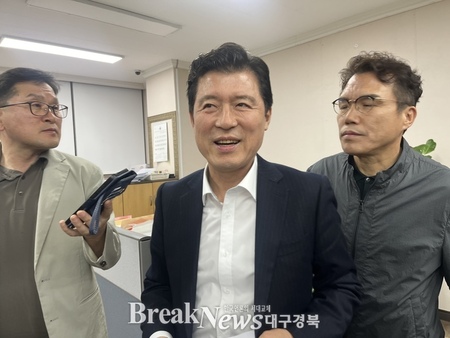
 ▲ 이동연 작가 ©브레이크뉴스 |
<*The following is [the full text] of the English article translated by 'Google Translate'. 'Google Translate' is working hard to improve understanding. It is assumed that there may be errors in the English translation.>
[Novel The Art of War 9]
What are the five qualities that a person who wants to become a king must possess?
What was the final test before Yao Yao abdicated to Shun? The following was written on the oracle bone script that Sun Zi opened the next morning out of curiosity. The floods continued unabated since early summer of the year when Yao Yao decided to abdicate. Not only the fields, but even the houses were all submerged. Even so, heavy rain continued day and night, making the world pitch black. Yao Yao felt sorry and called out to Shun.
“The world is now submerged in water, so you should go deep into the mountains alone and pray for peace and prosperity for the people.”
Shun returned home, took the sacrificial offerings that Ahwang and Yeo Young had prepared, and left home. He went to the deep, wild mountains teeming with beasts. He built an altar alone and prayed to the heavens for peace and prosperity for the world, and before he knew it, the heavy rain had stopped and the sun had risen brightly. When Yao Yao saw this, he called out to Shun.
“Sun-ah, that’s enough. You have both virtue and courage. Now ascend to the throne.”
Sun was 60 years old at this time. It had been 28 years since he had been in Yao’s sight. Yao gave him the throne, but at the same time banished his son Dan-ju far away.
“You should go down to the south and live with the agricultural official Hou-jik.”
According to his father’s order, Dan-ju went down to the fields of Chang-o under Hou-jik’s protection. There, he played Go with stones made of buffalo horn on a mulberry Go board given to him by his father. Hou-jik, who took Dan-ju with him, later became the ancestor of King Wen and King Wu, who founded the Zhou Dynasty. Sun also became a wise king like Yao. He ruled the country for 40 years, doing nothing to harm the people, and making a living by farming and fishing. The vast central plains were divided into twelve and the feudal lords were appointed, and every four years they were summoned for a strict examination at the Four Gates. The only criterion for the examination was whether the state was peaceful and the people were safe. Those who passed the examination were given a letter of reappointment. Every year, he toured the country and observed the lives of the people. The officials were treated with dignity and the people with virtue. From this example of Emperor Shun, Sun Tzu came up with the five qualities that a general should possess:
‘Wisdom, trustworthiness, virtue, courage, and dignity (智信仁勇嚴).’