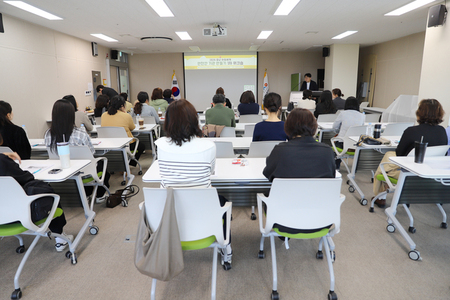
▲ 김해시와 인제대, (사)한국도시설계학회는 28일 김해중소기업비즈니스센터 대연회장에서 ‘2025 김해 도시포럼’을 개최했다. |
[브레이크뉴스=양영석 기자] 김해시와 인제대, (사)한국도시설계학회는 28일 김해중소기업비즈니스센터 대연회장에서 ‘2025 김해 도시포럼’을 개최했다.
포럼은 ‘대전환의 시작, 글로컬 시티 김해’를 주제로 학계, 연구기관, 정책 전문가, 시민 등 200여 명이 참석한 가운데 4개 주제 발표를 통해 김해시의 미래 발전 방향과 구체적 정책과제를 제시했다.
첫 발표자로 나선 김해연구원 송기욱 연구기획실장은 ‘김해 VISION 2050 수립을 위한 공간 및 인구구조 분석’에서 급격한 인구구조 변화에 따른 도시계획 방향과 시민 중심 성장관리의 중요성을 강조했다. 특히 지역 간 불균형 해소를 위한 생활권 단위 공간전략 수립 필요성을 제시했다.
두 번째 발표에서 김준우 대구대학교 교수는 ‘김해-중심지 허브네트워크 구축 전략’을 통해 대도시 네트워크 속 김해의 위상을 설명하며 다핵적 거점 간 기능적 연계를 통한 균형 발전과 교통·물류·산업의 허브로서 김해의 역할 강화를 강조했다.
세 번째 발표자인 김남현 동국대학교 교수는 ‘역사자원을 활용한 김해시 미래관광의 비전과 전략’을 주제로 세계유산으로 등재된 가야고분군을 비롯한 다양한 역사·문화자산을 활용해 디지털 기술 접목, 야간 관광, 체험형 관광 활성화 방안을 제시하며 김해를 가야역사문화 관광거점도시로 육성할 필요성을 언급했다.
마지막으로 LH토지주택연구원 이삼수 박사는 ‘미래도시 유휴자산의 합리적 활용 방안’에서 인구 감소와 도시 축소에 따른 저·미이용 공간의 관리·활용 필요성을 강조했다.
특히 공공·민간 연계 통합 플랫폼 구축과 유휴자산을 기반으로 한 신산업 창출 방향을 제시해 참석자들의 큰 호응을 얻었다.
이번 포럼에 참석한 전문가와 관계자들은 "김해시가 인구 구조와 공간 변화 속에서도 지속가능한 발전을 이루기 위해서는 도시공간의 압축화와 다핵 거점 네트워크 구축, 역사문화자원의 적극적 관광 자산화, 유휴자산의 전략적 활용이 필수적"이라는 데 뜻을 모았다.
김해시는 이번 포럼의 제언들을 대전환의 시작, 글로컬 시티의 비전에 담아낼 계획이다.
홍태용 시장은 “오늘 포럼에서 논의된 전문가들의 지혜와 시민들의 의견을 정책에 담아 김해가 동남권을 선도하는 미래도시로 도약할 수 있도록 최선을 다하겠다”며 “함께 만드는 지속가능한 김해, 시민 모두가 행복한 김해를 위해 지속적인 관심과 참여를 부탁드린다”고 밝혔다.
*아래는 위 기사를 '구글 번역'으로 번역한 영문 기사의 [전문]입니다. '구글번역'은 이해도 높이기를 위해 노력하고 있습니다. 영문 번역에 오류가 있을 수 있음을 전제로 합니다. *The following is [the full text] of the English article translated by 'Google Translate'. 'Google Translate' is working hard to improve understanding. It is assumed that there may be errors in the English translation.
‘The Beginning of a Great Transformation, Glocal City Gimhae’
Gimhae City Forum Held... Future Development Direction and Specific Policy Tasks Presented
Gimhae City, Inje University, and the Korea Urban Design Association held the ‘2025 Gimhae City Forum’ at the Gimhae Small and Medium Business Center Grand Banquet Hall on the 28th.
The forum was held under the theme of ‘The Beginning of a Great Transformation, Glocal City Gimhae’, and around 200 people from academia, research institutes, policy experts, and citizens attended. Through presentations on four topics, Gimhae City’s future development direction and specific policy tasks were presented.
The first presenter, Gimhae Research Institute Research Planning Director Song Ki-wook, emphasized the importance of urban planning direction and citizen-centered growth management in response to rapid population structure changes in ‘Analysis of Space and Population Structure for Establishing Gimhae VISION 2050’. In particular, he suggested the need to establish a spatial strategy for living area units to resolve regional imbalances.
In the second presentation, Professor Kim Jun-woo of Daegu University explained Gimhae’s status in the metropolitan network through the ‘Gimhae-Central Hub Network Construction Strategy’ and emphasized balanced development through functional linkages between multi-core bases and strengthening Gimhae’s role as a hub for transportation, logistics, and industry.
The third presenter, Professor Kim Nam-hyun of Dongguk University, presented the topic of ‘Vision and Strategy for Gimhae City’s Future Tourism Utilizing Historical Resources’ and suggested ways to utilize various historical and cultural assets, including the Gaya Tombs, which are registered as World Heritage sites, to graft digital technology, promote nighttime tourism, and activate experiential tourism, and mentioned the need to foster Gimhae as a hub city for Gaya historical and cultural tourism.
Lastly, Dr. Lee Sam-soo of the LH Land and Housing Research Institute emphasized the need to manage and utilize underused and unused spaces due to population decline and urban shrinkage in ‘Rational Utilization of Idle Assets in Future Cities’.
In particular, he presented the direction of establishing a public-private integrated platform and creating new industries based on idle assets, which received a great response from the attendees.
Experts and officials who attended this forum agreed that "in order for Gimhae City to achieve sustainable development despite population structure and spatial changes, it is essential to compress urban space, build a multi-core network, actively transform historical and cultural resources into tourism assets, and strategically utilize idle assets."
Gimhae City plans to incorporate the suggestions from this forum into its vision of a global city, the beginning of a great transformation.
Mayor Hong Tae-yong said, "We will do our best to incorporate the wisdom of experts and the opinions of citizens discussed at today's forum into policies so that Gimhae can leap forward as a future city leading the southeastern region." He added, "I ask for your continued interest and participation for a sustainable Gimhae that we create together, a Gimhae where all citizens are happy."
원본 기사 보기:브레이크뉴스경남