지난 4월 2일 트럼프 행정부가 한국에 대한 상호관세율을 25%로 책정한 행정명령을 발표한 가운데, 안도걸 의원은 정부에 상호관세율 인하를 위한 전방위적인 대미 통상전략을 전개할 것을 촉구했다.
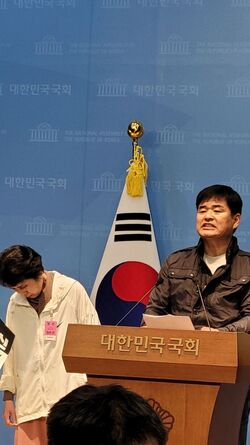
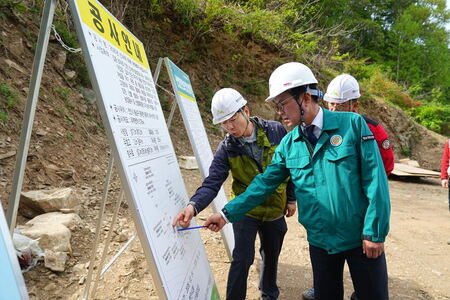
 ▲ 안도걸 의원은 “정부가 국민과 기업이 안심할 수 있도록 전방위 통상대응 전략과 협의 채널 가동계획을 신속히 수립해 발표해야 한다”며 정부의 신속한 조치를 촉구했다. © 김충열 정치전문기자 |
국내외 연구 분석기관에 의하면 트럼프 행정부의 광범위한 보편·상호관세 부과와 중국 및 유럽 등이 맞대응하는 관세전쟁이 전개될 경우 올해 한국 수출은 10% 가깝게 감소하고, GDP 성장률은 0%대로 하락할 것이라는 암울한 전망이 제기되고 있다.
안 의원은 “이번 상호관세율 결정을 앞두고 우리 정부의 대미 통상 대응에 부족함이 컸다는 지적이 있다”고 언급했다. ’24년 기준 우리나라의 대미 실효관세율은 0.79%에 불과하지만, 트럼프 대통령은 한국의 대미 관세율이 미국의 4배에 달한다고 사실과 전혀 다른 주장을 한 바 있다. 또한, 트럼프 행정부가 FTA 체결국인 한국에 25%에 달하는 높은 상호관세율을 적용한 근거로 주장했던 비관세 장벽에 대해서도 미국 측에 충분한 설명과 설득이 이뤄지지 못했다는 지적이 제기되고 있다.
비관세 장벽에 대한 정확한 설명과 설득 논리를 전개해야
안 의원은 “트럼프 행정부가 일본 등 경쟁국에 비해 높은 상호관세율 적용의 주요 근거로 삼았던 비관세 장벽으로 지적한 사항들은 현실적 근거가 부족하거나 과장된 측면이 있다”며, “이에 대한 규제의 정당성을 설명하고 미국의 우려를 해소하는 방향으로 설득해야 한다”며 다음과 같은 설득 논리를 제시했다.
한국의 비관세 장벽 수준이 주요 교역국에 비해 높지 않다는 점, 외국인 투자 기업의 비즈니스 환경 개선을 위한 정부의 노력을 설명해야 한다. 이어 국방 절충교역은 전 세계 130여 개국이 운영하고 있는 보편적 제도라는 점을 설득하고 국내 기술 개발과 방위산업 육성을 위한 불가피한 조치이며, 미국 기업에 불이익을 주려는 의도가 없음을 강조했다.
아울러 “ 쇠고기 수입 제한은 과학적 근거에 따른 위생 검역 조치이며, 국민 건강 보호를 위한 것임을 설명해야 한다.”고 주문했다.
안도걸 의원은 “디지털 무역 관련 규제는 개인 정보 보호 및 사이버 보안을 위한 것이며, 국제 표준에 부합하도록 노력하고 있음을 알려야 한다.”고 밝혔다.
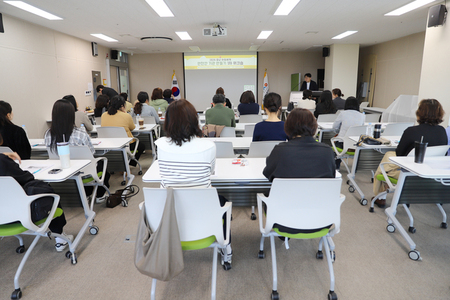
 ▲ 안도걸 의원은 “트럼프 정부 관세 정책은 미국의 무역적자 축소와 미국 내 산업 부활을 목표로 하고 있다”며, “한국은 대미 무역수지 대부분을 미국 현지투자로 환원하면서 트럼프 대통령이 의도한 목표에 기여하고 있다는 점을 강조해야 한다”고 주장했다. © 김충열 정치전문기자 |
한국의 대미 직접투자 실적 강조해야
한국은 대미 무역수지의 상당 부분을 대미 직접투자로 환원하는 것으로 나타났다. 한국무역협회와 한국수출입은행의 자료에 의하면, 트럼프 1기 정부(’17~’20년) 동안 한국의 연평균 대미 무역흑자는 149.5억 달러, 연평균 대미 직접투자는 143.8억 달러로 무역흑자의 96.2%가 미국 현지투자로 환원된 것으로 분석되었다.
또한, 한국의 대미 직접투자는 미국 내 일자리 창출에도 크게 기여한 것으로 나타났다. 미국 비영리단체 ‘리쇼어링 이니셔티브’의 보고서에 의하면, ’23년 미국에서 외국인투자로 생겨난 일자리 28만 개 중 한국은 2만 개 일자리를 차지하며, 대미 직접투자국 중 가장 많은 일자리를 창출했다.
안 의원은 “트럼프 정부 관세 정책은 미국의 무역적자 축소와 미국 내 산업 부활을 목표로 하고 있다”며, “한국은 대미 무역수지 대부분을 미국 현지투자로 환원하면서 트럼프 대통령이 의도한 목표에 기여하고 있다는 점을 강조해야 한다”고 주장했다.
전방위 네트워크 활용한 통상전략 시행해야
안 의원은 “정부가 미국의 관세 정책이 한·미 FTA 위반임을 지적하고, 가용 대미 통상외교 및 민간협력 네트워크를 총동원해야 한다”고 강조했다.
한·미 FTA 이행위원회 등 공식 외교채널은 물론 트럼프 대통령과 연결되는 정·재계의 직·간접적 인맥, 트럼프 대통령이 주로 활용하는 SNS, 미국 내 유력 언론 홍보, 로비스트 기관 활용 등 전방위 네트워크를 활용해야 한다.
아울러, 이번 관세 정책을 국내 제도가 국제 기준에 미치지 못하는 규제를 정비하는 기회로 삼고, 제도 개선 의지를 미국 측에 설명하고 이해를 구하려는 노력을 병행해야 한다. 또한, 미국의 보호무역주의에 대한 국제 사회의 공동 대응 노력도 강화해야 한다.
끝으로 안도걸 의원은 “정부가 국민과 기업이 안심할 수 있도록 전방위 통상대응 전략과 협의 채널 가동계획을 신속히 수립해 발표해야 한다”며 정부의 신속한 조치를 촉구했다. hpf21@naver.com
* 아래는 위 기사를 '구글 번역'으로 번역한 영문 기사의 [전문]입니다. '구글번역'은 이해도 높이기를 위해 노력하고 있습니다. 영문 번역에 오류가 있을 수 있음을 전제로 합니다.
*The following is [the full text] of the English article translated by 'Google Translate'. 'Google Translate' is working hard to improve understanding. It is assumed that there may be errors in the English translation.
Ando-geol: “There are many loopholes in the 25% reciprocal tariff rate… Calls for a comprehensive trade strategy for reciprocal tariffs”
Trump administration’s tariffs… Limitations of government-US trade communication revealed
On April 2, as the Trump administration announced an executive order setting the reciprocal tariff rate for Korea at 25%, Rep. Ando-geol urged the government to develop a comprehensive trade strategy for the US to reduce the reciprocal tariff rate.
According to domestic and foreign research and analysis organizations, if the Trump administration imposes broad, universal and reciprocal tariffs and a trade war is waged in response by China and Europe, Korea’s exports this year will decrease by nearly 10%, and the GDP growth rate will fall to 0%, a gloomy outlook has been raised.
Rep. Ahn stated, “There has been criticism that our government’s trade response to the US was inadequate ahead of this reciprocal tariff rate decision.” 'As of 2024, Korea's effective tariff rate with the US is only 0.79%, but President Trump has made a completely false claim that Korea's tariff rate with the US is four times that of the US. In addition, there are criticisms that the Trump administration has not provided sufficient explanation and persuasion to the US regarding the non-tariff barriers that it claimed as the basis for applying a high reciprocal tariff rate of up to 25% to Korea, a FTA partner.
Accurate explanation and persuasive logic for non-tariff barriers must be developed
Rep. Ahn said, "The non-tariff barriers that the Trump administration pointed out as the main basis for applying a high reciprocal tariff rate compared to competitors such as Japan lack realistic grounds or are exaggerated," and "We must explain the legitimacy of the regulations and persuade the US in a way that alleviates its concerns," and presented the following persuasive logic.
We must explain that Korea's non-tariff barriers are not as high as those of major trading partners and the government's efforts to improve the business environment for foreign investment companies. He then emphasized that the defense offset is a universal system operated by about 130 countries around the world, and that it is an inevitable measure for domestic technology development and defense industry development, and that there is no intention to disadvantage American companies.
He also ordered, “We must explain that the beef import restriction is a sanitary and quarantine measure based on scientific evidence and is for the protection of the people’s health.”
Rep. Ando-geol said, “We must inform that regulations related to digital trade are for the protection of personal information and cybersecurity, and that we are making efforts to comply with international standards.”
We must emphasize Korea’s performance in direct investment in the US
It turns out that Korea is returning a significant portion of its trade balance with the US to direct investment in the US. According to data from the Korea International Trade Association and the Export-Import Bank of Korea, during the first Trump administration (‘17-’20), Korea’s average annual trade surplus with the US was $14.95 billion, and its average annual direct investment in the US was $14.38 billion, indicating that 96.2% of the trade surplus was returned to local investment in the US.
In addition, Korea’s direct investment in the US has also contributed significantly to job creation in the US. According to a report by the US non-profit organization ‘Reshoring Initiative’, ‘Korea created the most jobs among the countries investing in the US, accounting for 20,000 jobs out of the 280,000 jobs created in the US through foreign investment in 2023.
Rep. Ahn said, “The Trump administration’s tariff policy aims to reduce the US trade deficit and revive domestic industries,” and argued, “Korea should emphasize that it is contributing to President Trump’s intended goal by returning most of its trade balance with the US to local investment in the US.”
Trade strategy utilizing an all-round network should be implemented
Rep. Ahn emphasized, “The government should point out that the US’s tariff policy is a violation of the Korea-US FTA and mobilize all available trade diplomacy and private cooperation networks toward the US.”
We must utilize an all-out network, including official diplomatic channels such as the Korea-US FTA Implementation Committee, as well as direct and indirect connections in politics and business with President Trump, social media that President Trump mainly uses, public relations through influential media outlets in the US, and the use of lobbyist organizations.
In addition, we must use this tariff policy as an opportunity to reorganize domestic regulations that fall short of international standards, and we must also explain our intention to improve the system to the US and seek its understanding. We must also strengthen the international community’s joint response to US protectionism.
Finally, Rep. Ahn Do-geol urged the government to take swift action, saying, “The government must quickly establish and announce a comprehensive trade response strategy and a plan to operate consultation channels so that the people and businesses can feel safe.” hpf21@naver.com