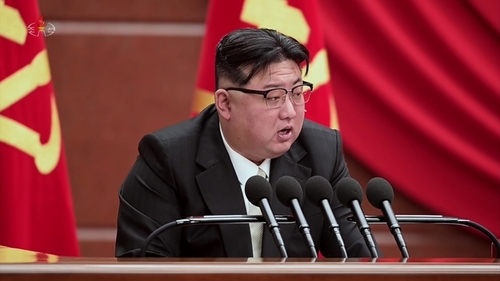
▲ 이창용 한국은행 총재가 17일 서울 중구 한국은행 본관에서 열린 금융통화위원회 본회의에서 의사봉을 두드리고 있다. © 뉴시스 |
브레이크뉴스 문홍철 기자= 한국은행은 금융통화위원회는 다음 통화정책방향 결정시까지 한국은행 기준금리를 2.75%로 유지해 통화정책을 운용하기로 했다고 17일 밝혔다.
금통위는 미국 관세정책 변화, 정부 경기부양책 추진 등에 따른 전망경로의 불확실성이 크고, 환율의 높은 변동성과 가계대출 흐름도 좀 더 살펴볼 필요가 있는 만큼, 현재의 기준금리 수준을 유지하면서 대내외 여건 변화를 점검해 나가는 것이 적절하다고 판단했다.
금통위에 따르면 국내 경제상황은 정치 불확실성 지속, 통상여건 악화 등으로 내수와 수출이 모두 둔화되면서 성장세가 예상보다 약화됐다. 고용은 전체 취업자수 증가규모가 늘어났으나, 제조업 등 주요 업종은 감소세가 지속됐다.
앞으로 내수 부진이 일부 완화되겠지만 수출은 통상여건의 불확실성이 지속되면서 둔화 흐름을 이어갈 것으로 전망된다.
이에 따라 올해 성장률은 지난 2월 전망치(1.5%)를 하회할 것으로 보이나, 향후 무역협상의 전개양상, 추경의 시기 및 규모 등과 관련한 성장경로의 불확실성이 매우 높은 것으로 평가된다.
국내 물가는 3월중 소비자물가와 근원물가 상승률(식료품 및 에너지 제외 지수)이 각각 2.1% 및 1.9%를 나타내는 등 안정적인 흐름을 이어갔다. 단기 기대인플레이션율은 전월과 같은 수준(2.7%)을 유지했다.
앞으로 물가상승률은 높아진 환율이 상방요인으로 작용하겠지만 유가 하락, 낮은 수요압력 등으로 2% 내외의 안정세를 지속할 것으로 보이며, 올해 소비자물가 및 근원물가 상승률은 지난 전망치(1.9%, 1.8%)에 대체로 부합할 것으로 예상된다
주택시장에서는 서울 지역의 가격 오름세 및 거래량이 크게 확대됐다가 토지거래허가구역 재지정 이후 둔화됐다. 가계대출은 낮은 증가세를 이어가고 있으나, 최근 늘어난 주택거래 영향으로 증가규모가 일시적으로 확대될 것으로 예상된다.
금통위는 “국내경제는 물가상승률이 안정적인 흐름을 이어가고 있으나 글로벌 통상여건 악화로 성장의 하방위험이 증대되고 전망경로의 불확실성도 크게 확대된 상황”이라며 “향후 통화정책은 성장의 하방리스크 완화를 위한 금리인하 기조를 이어나가되, 대내외 정책 여건의 변화와 이에 따른 물가, 가계부채 및 환율의 흐름을 면밀히 점검하면서 기준금리의 추가 인하 시기 및 속도 등을 결정해 나갈 것이다”고 전했다.
break9874@naver.com
*아래는 위 기사를 '구글 번역'으로 번역한 영문 기사의 [전문]입니다. '구글번역'은 이해도 높이기를 위해 노력하고 있습니다. 영문 번역에 오류가 있을 수 있음을 전제로 합니다.<*The following is [the full text] of the English article translated by 'Google Translate'. 'Google Translate' is working hard to improve understanding. It is assumed that there may be errors in the English translation.>
Bank of Korea freezes base rate at 2.75%...economic uncertainty still high
The Bank of Korea announced on the 17th that the Monetary Policy Committee decided to maintain the Bank of Korea’s base rate at 2.75% until the next monetary policy direction decision.
The Monetary Policy Committee judged that it would be appropriate to maintain the current base rate level and monitor changes in domestic and international conditions, as the outlook path is highly uncertain due to changes in U.S. tariff policy and the government’s economic stimulus measures, and the high volatility of the exchange rate and the flow of household loans need to be examined further.
According to the Monetary Policy Committee, the domestic economic situation has slowed down more than expected due to continued political uncertainty and worsening trade conditions, with both domestic demand and exports slowing down. Employment has increased in the overall number of employed persons, but major industries such as manufacturing have continued to decline.
Although the domestic demand slump will ease somewhat in the future, exports are expected to continue to slow down as trade conditions remain uncertain.
Accordingly, this year's growth rate is expected to fall below the February forecast (1.5%), but the uncertainty of the growth path related to the future development of trade negotiations, the timing and scale of the supplementary budget, etc. is assessed to be very high.
Domestic prices continued to show a stable trend, with consumer prices and core inflation rates (excluding food and energy) in March showing 2.1% and 1.9%, respectively. The short-term expected inflation rate remained at the same level as the previous month (2.7%).
Going forward, the inflation rate is expected to remain stable at around 2% due to factors such as the higher exchange rate, but falling oil prices and low demand pressure. This year's consumer prices and core inflation rates are expected to be largely in line with the previous forecasts (1.9% and 1.8%).
In the housing market, the price increase and transaction volume in the Seoul area expanded significantly, but then slowed down after the redesignation of the land transaction permit zone. Household loans are continuing to grow at a low rate, but the scale of the increase is expected to temporarily expand due to the recent increase in housing transactions.
The Monetary Policy Committee stated, “The domestic economy is maintaining a stable inflation rate, but the downside risks to growth have increased due to the deterioration of global trade conditions, and the uncertainty of the outlook path has also greatly expanded.” It added, “Monetary policy going forward will continue the keynote of lowering interest rates to ease downside risks to growth, but will closely monitor changes in domestic and international policy conditions and the resulting trends in prices, household debt, and exchange rates, and decide on the timing and speed of additional cuts to the base rate.”