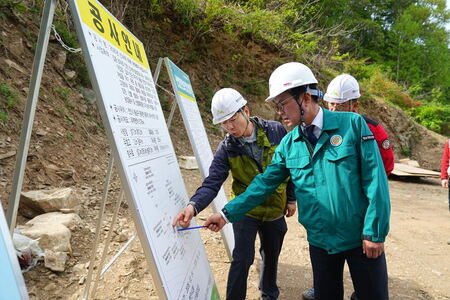
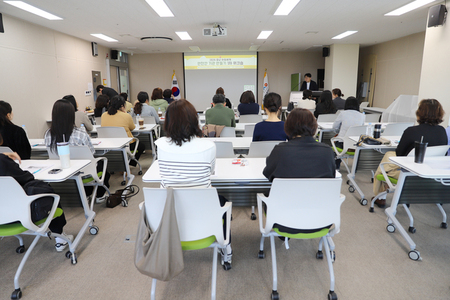
▲ 호남지방통계청이 지난 13일 발표한 '2025년 1분기 전북지역 인구이동' 자료에 따르면 도내 주요 도시들이 순유출을 기록한 반면, 김제시는 같은 기간 814명이 증가한 것으로 나타나 청년이 돌아오고 가족이 정착한 기회도시로 도약하고 있는 것으로 분석됐다. / 도표제공 = 김제시청 © 김현종 기자 |
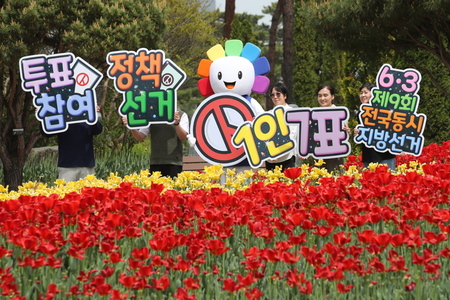
 ▲ 통합시 출범(1995년) 이후 매년 평균 1,700여 명씩 인구가 유출됐지만 최근 전략적인 인구정책 추진을 통해 지난 4월 말 기준 인구 81,211명을 기록하며 2022년 6월(80,861명) 대비 약 350명이 증가하는 반등을 기록했다. / 사진제공 = 김제시청 © 김현종 기자 |
전북자치도 김제시에 청년이 돌아오고 가족이 정착한 기회도시로 도약하고 있다.
김제시는 단순 유입을 넘어 '정주 여건 개선'에 초점을 맞춘 인구정책의 가시적 성과로 최근 발표된 전북지역 인구통계에서 뚜렷한 증가세를 보이며 정주 인구 순유입 전환에 성공한 것으로 분석됐다고 22일 밝혔다.
호남지방통계청이 지난 13일 발표한 '2025년 1분기 전북지역 인구이동' 자료에 따르면, 전주시(-2,683명)ㆍ군산시(-646명) 등 주요 도시들이 순유출을 기록한 것으로 집계됐다.
김제시는 같은 기간 814명이 순유입돼 도내 지자체 가운데 가장 큰 인구 증가폭을 기록했다.
특히 도내 대부분 지역에서 청년층(20~30대) 인구가 감소했지만, 김제시는 오히려 청년인구가 129명 늘었다.
이 같은 변화는 ▲ 산업단지 인근 정주여건 개선 ▲ 민간임대아파트 공급 확대 ▲ 스마트농업 기반 조성 및 산업일자리 창출 등이 뒷받침된 결과로 분석됐다.
또 ▲ 민생회복지원금 지급 ▲ 생애주기별 맞춤형 인구정책 등 실생활 중심의 정책들이 정주 매력도를 끌어올렸다.
올해 안에 903세대 규모의 공동주택(서희 스타힐스ㆍ백산 LH 등) 입주가 예정돼 있는 만큼 향후 인구 증가세가 이어질 것으로 김제시는 기대하고 있다.
정성주 시장은 "지속가능한 인구 구조를 만들기 위해 산업ㆍ주거ㆍ복지 등 전 방위적으로 시민 체감형 정책을 추진한 결과, 인구 순유입이라는 결실로 이어지고 있다"며 "앞으로도 시민이 체감할 수 있는 실효성 있는 정책을 통해 새로운 활력을 불어넣는 등 김제에 살고 싶은 이유를 더 많이 만들 수 있도록 최선을 다하겠다"고 말했다.
한편, 김제는 통합시 출범(1995년) 이후 매년 평균 1,700여 명씩 인구가 감소했다.
최근 전략적인 인구정책 추진을 통해 지난 4월 말 기준 인구 81,211명을 기록하며 2022년 6월(80,861명) 대비 약 350명이 증가하는 반등을 기록했다.
☞ 아래는 위 기사를 구글 번역이 번역한 영문 기사의 '전문' 입니다.
구글 번역은 이해도를 높이기 위해 노력하고 있으며 영문 번역에 오류가 있음을 전제로 합니다.
【Below is the 'full text' of the English article translated by Google Translate.
Google Translate is working hard to improve understanding, and assumes that there are errors in the English translation】
Gimje City succeeds in 'converting net inflow of residential population'
2225 Q1… Total increase of 814 people including 129 young people
Reporter Lee Do-hyung
Jeonbuk Autonomous City, Gimje-si is making a leap forward as a city of opportunity where young people are returning and families are settling down.
Gimje-si announced on the 22nd that it was analyzed that the recent population statistics for the Jeonbuk region, which showed a clear increase as a visible result of the population policy that focused on 'improving settlement conditions' beyond simple inflow, succeeded in converting to a net inflow of settled population.
According to the 'Population Movement in the Jeonbuk Region in the First Quarter of 2025' data released by the Honam Regional Statistics Office on the 13th, major cities such as Jeonju-si (-2,683 people) and Gunsan-si (-646 people) recorded net outflows.
During the same period, Gimje City recorded the largest population increase among local governments in the province, with a net inflow of 814 people.
In particular, while the youth population (20s and 30s) decreased in most areas of the province, Gimje City actually saw an increase of 129 people in its youth population.
This change was analyzed as a result of ▲ improving living conditions near industrial complexes ▲ expanding the supply of private rental apartments ▲ establishing a smart agricultural base and creating industrial jobs.
In addition, ▲ providing livelihood recovery support funds ▲ customized population policies for each life cycle, etc., policies centered on real life, increased the attractiveness of living.
Gimje City expects that the population growth will continue in the future, as 903 households (Seohee Star Hills, Baeksan LH, etc) are scheduled to move in within this year.
Mayor Jeong Seong-ju said, "In order to create a sustainable population structure, we have promoted policies that citizens can feel in all areas, including industry, housing, and welfare, and as a result, we have achieved a net inflow of population."He added, "We will continue to do our best to create more reasons for people to want to live in Gimje by injecting new vitality into the city through effective policies that citizens can feel."
Meanwhile, Gimje has seen its population decrease by an average of 1,700 people every year since the launch of the integrated city (1995). Recently, through the implementation of strategic population policies, it recorded a population of 81,211 as of the end of April, recording an increase of about 350 people compared to June 2022 (80,861 people).
원본 기사 보기:브레이크뉴스 전북 서남