2025년 6.3 조기 대선은 무너진 정치·행정 시스템을 바로잡고, 각 분야의 구조 개혁 과제를 새롭게 설정해야 할 역사적 전환점이다. 그중에서도 노동은 저출생, 고령화, 불평등 심화, 플랫폼경제 확대 등 변화하는 시대에 맞춘 근본적 재설계가 필요한 핵심 영역이다.
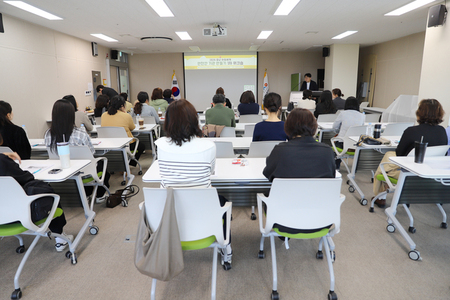
 ▲ 경실련)은 “주요 대선 후보들의 노동 공약을 비교한 결과, 노동권 보장과 노동시장 개혁이라는 시대적 과제를 정면으로 다룬 후보는 드물었다.”며, “특히 일부 후보는 노동에 대한 철학과 정책 설계 자체가 부재하거나 극히 제한적인 수준에 그친 반면, 구조적 전환을 제시한 후보도 구체적인 실행 방안에서는 아쉬움을 드러냈다.”고 밝혔다. © 김충열 정치전문기자 |
이에 경제정의실천시민연합(경실련)은 5월 28일, ‘공약보고 투표하자’는 슬로건아래 21대 대선 각 후보별 10대 공약 비교평가 노동 편을 발표하면서 “주요 대선 후보들의 노동 공약을 비교한 결과, 노동권 보장과 노동시장 개혁이라는 시대적 과제를 정면으로 다룬 후보는 드물었다.”며, “특히 일부 후보는 노동에 대한 철학과 정책 설계 자체가 부재하거나 극히 제한적인 수준에 그친 반면, 구조적 전환을 제시한 후보도 구체적인 실행 방안에서는 아쉬움을 드러냈다.”고 밝혔다.
경실련 공약검증단은 중앙선거관리위원회에 제출된 10대 공약과 공식 발언을 중심으로 각 후보의 노동 공약을 비교·평가했다. 이번 평가는 각 후보가 현실 문제에 대한 감각과 정책적 일관성, 그리고 구조개혁에 대한 의지를 갖추고 있는지를 판단하는 기준이 될 수 있다.
본 비교평가는 2025년 중앙선거관리위원회에 제출된 ‘10대 공약’ 기준으로 작성되었으며, 후보가 언론·SNS 등을 통해 추가로 언급한 내용은 공식화되지 않은 점을 감안해 평가에 포함하지 않았다.
이재명 후보는 “모든 일하는 사람의 권리가 보장되는 사회”를 기치로 내세우며, 포괄임금제 금지, 동일노동 동일임금 기준 마련, 특수고용 및 플랫폼 노동자 보호, 산업별 단체협약 촉진, 주4.5일제 도입 등 다양한 공약을 제시했다.“며, ”전반적으로 비정규직, 저임금 노동자, 여성, 장애인, 예술인 등 다양한 계층을 포괄하려는 의도가 보이며, 발전적인 노사관계 구축 등을 위한 정책들도 구체적이다.“고 평가했다.
이 후보는 ”그러나 현실 가능성과 실행 로드맵이 명확하지 않은 공약도 일부 존재하며, 특히 중소기업이나 자영업 고용주와의 이해조정 방안이 빠져 있다는 점은 보완이 필요하다.“며, ”청년층이나 중고령층을 겨냥한 일자리 대책도 상대적으로 부족한 편이다.“고 지적했다.
김문수 후보는 ”노사합의를 기반으로 한 주52시간제 완화라는 입장을 제외하면 사실상 독립된 노동정책은 제시하지 않았다. 소상공인 정책의 일부로 간접적인 일자리 대책이 등장하지만, 전체 노동시장 구조에 대한 문제의식이나 정책 철학이 부재한 상황이다.“며, ”고용노동부 장관 및 대통령 직속 경사노위 위원장을 역임했던 인물로서, 이 같은 정책 부재는 심각한 문제로 지적된다.“고 비판했다.
이준석 후보는 ”외국인 노동자 비자제도와 정착 지원 강화를 언급하였으나, 내국인 노동자에 대한 노동권 보장이나 노동시장 구조 개선을 위한 정책은 거의 제시하지 않았다.“며, ”노동에 대한 비전, 목표, 철학이 공약집에 부재하며, 사실상 노동정책이 비워져 있는 수준이다.“고 밝혔다.
권영국 후보는 ”노동자의 기업 인수 지원제도, 전 국민 일자리 보장제, 노란봉투법 통과, 산별교섭제도화, 청년고용보장, 임금공시제 등 가장 진보적인 노동 개혁안을 제시했다. 노동기본권 보장과 단체교섭 확산을 중심에 두고, 사회안전망 강화와 노동 민주주의 실현을 위한 정책 구성의 방향성이 분명하다.“며, ”다만, 진보적인 방향성에 비해 제도화 전략이나 재원조달 방안 등 구체적인 실현 계획은 상대적으로 부족하다.“고 분석했다.
이번 대선에서 노동 공약은 후보 간 온도차가 뚜렷하게 드러났다. 이재명 후보는 특수고용·플랫폼 노동자까지 포괄하는 권리 보장 등 폭넓은 과제를 제시했으나, 일부 실행 계획의 구체성이 부족하고 중소기업·중고령층에 대한 정책은 미흡하다는 평가다. 김문수·이준석 후보는 노동 전반에 대한 비전과 정책 설계가 부재하거나 미흡해, 책임 있는 공약 제시의 기준에 미치지 못했다. 권영국 후보는 노동시장 구조의 개혁 방향성과 의지를 드러냈지만, 제도화 가능성 측면에서는 보완이 필요하다. 또한 후보들 공통적으로 좋은 일자리 창출을 위한 정책이 다소 부족한 점은 아쉬운 부분이다.
이번 기획은 경제정의실천시민연합(경실련) 공약검증단이 주관하였다. 이번 노동 분야 검증은 경실련 노동개혁위원회 위원장인 류성민 교수(경기대 경영학부)가 담당했다.
경실련 공약검증단은 아래와 같이 각 분야 전문가들로 구성되어 있다. * 21대 대선 경실련공약검증단장: 방효창 경실련 정책위원장(두원공과대 교수), 금융개혁: 양채열(전남대 명예교수), 노동개혁: 류성민(경기대 교수), 농업개혁: 임영환(변호사), 보건의료: 송기민(한양대 교수), 사회복지: 허수연(한양대 교수), 재벌개혁: 조연성(덕성여대 교수), 정보통신: 김경엽(한국공학대 교수), 정부개혁: 신현기(가톨릭대 교수), 정치/외교: 하상응(서강대 교수), 중소기업: 김종근(서울여대 교수), 지방자치: 김동원(인천대 교수), 토지주택: 조정흔(감정평가사), 시민입법: 정지웅(변호사), 통일: 김일한(동국대 교수), 도시: 황지욱(전북대 교수), 시민권익: 심제원(변호사)
이후 시리즈에서 경제, 복지, 노동, 재벌개혁 등 다양한 정책 영역별 비교 평가를 이어갈 예정이다. hpf21@naver.com
* 아래는 위 기사를 '구글 번역'으로 번역한 영문 기사의 [전문]입니다. '구글번역'은 이해도 높이기를 위해 노력하고 있습니다. 영문 번역에 오류가 있을 수 있음을 전제로 합니다.
*The following is [the full text] of the English article translated by 'Google Translate'. 'Google Translate' is working hard to improve understanding. It is assumed that there may be errors in the English translation.
KCTU "Comparative evaluation of 10 pledges by presidential candidates, irregular work hours, collective bargaining… fails to address the issues of the times"
There are few candidates who have addressed the issues of the times, such as guaranteeing labor rights and reforming the labor market...
The early presidential election on June 3, 2025 is a historical turning point where we must correct the collapsed political and administrative system and set new tasks for structural reform in each field. Among them, labor is a key area that requires fundamental redesign to fit the changing times, such as low birth rates, aging population, deepening inequality, and the expansion of the platform economy.
Accordingly, on May 28, the Citizens’ Coalition for Economic Justice (CCEJ) announced a comparative evaluation of the 10 major pledges of each candidate for the 21st presidential election under the slogan, “Let’s vote after seeing the pledges,” and stated, “As a result of comparing the labor pledges of the major presidential candidates, few candidates have directly addressed the contemporary issues of labor rights guarantee and labor market reform.” “In particular, some candidates have either lacked a philosophy on labor and have extremely limited policy designs, while even candidates who have proposed structural changes have shown regrets in their specific implementation plans.”
The CCEJ pledge verification team compared and evaluated the labor pledges of each candidate based on the 10 major pledges submitted to the National Election Commission and their official statements. This evaluation can serve as a criterion for judging whether each candidate has a sense of real-world issues, policy consistency, and the will to reform the structure.
This comparative evaluation was prepared based on the ‘10 major pledges’ submitted to the Central Election Management Committee in 2025, and additional content mentioned by the candidates through the media, SNS, etc. was not included in the evaluation considering that it has not been formalized. Candidate Lee Jae-myung raised the banner of “a society where the rights of all workers are guaranteed” and presented various pledges such as banning the comprehensive wage system, establishing equal pay standards for equal work, protecting special employment and platform workers, promoting industry-specific collective bargaining agreements, and introducing a 4.5-day workweek. He evaluated that “overall, there is an intention to include various classes such as irregular workers, low-wage workers, women, the disabled, and artists, and policies for establishing progressive labor-management relations are also specific.”
Candidate Lee pointed out that “However, there are some pledges that lack clear feasibility and implementation roadmaps, and in particular, there is a need for improvement in that there is no plan for coordinating interests with small and medium-sized enterprises or self-employed employers.” He also pointed out that “job measures targeting the youth and middle-aged and elderly are also relatively lacking.”
Candidate Kim Moon-soo said, “Except for the position of easing the 52-hour workweek based on labor-management agreements, he did not present any independent labor policies in reality. Indirect job measures are emerging as part of the small business policy, but there is no awareness of the problems or policy philosophy regarding the overall labor market structure. “As someone who served as the Minister of Employment and Labor and the Chairman of the Presidential Economic and Social Commission, I point out this lack of policy as a serious problem,” he said.
Candidate Lee Jun-seok said, “He mentioned the visa system for foreign workers and strengthening settlement support, but he presented almost no policies to guarantee labor rights for domestic workers or improve the labor market structure. There is no vision, goal, or philosophy regarding labor in the pledge book, and in fact, labor policy is at a level where it is empty.”
Candidate Kwon Young-guk said, “He presented the most progressive labor reform plan, including a support system for workers’ acquisition of companies, a national job guarantee system, passage of the Yellow Envelope Act, institutionalization of industry-level bargaining, youth employment guarantee, and a wage disclosure system. The direction of policy composition for strengthening the social safety net and realizing labor democracy is clear, focusing on guaranteeing basic labor rights and expanding collective bargaining. However, compared to the progressive direction, there is a relative lack of specific implementation plans such as institutionalization strategies and financing methods.”
In this presidential election, the labor pledges showed a clear difference in temperature between the candidates. Candidate Lee Jae-myung presented a wide range of tasks, including guaranteeing rights that include special employment and platform workers, but some of the implementation plans lack specificity and policies for small and medium-sized businesses and the middle-aged and elderly are evaluated as insufficient. Candidates Kim Moon-soo and Lee Jun-seok did not meet the standards for presenting responsible pledges due to the absence or insufficient vision and policy design for labor in general. Candidate Kwon Young-guk revealed the direction and will to reform the labor market structure, but it needs to be supplemented in terms of institutionalization potential. It is also regrettable that the candidates have somewhat insufficient policies for creating good jobs.
This project was conducted by the Citizens’ Coalition for Economic Justice (CCEJ) Pledge Verification Team. This labor sector verification was conducted by Professor Ryu Seong-min (Department of Business Administration, Kyunggi University), Chairman of the Korea Federation for Environmental Movements Labor Reform Committee.
The Korea Federation for Environmental Movements Pledge Verification Team is comprised of experts in each field as follows.
* Head of the 21st Presidential Election Korea Federation for Environmental Movements Pledge Verification Team: Bang Hyo-chang, Chairman of the Korea Federation for Environmental Movements Policy Committee (Professor, Doowon College of Engineering), Financial Reform: Yang Chae-yeol (Professor Emeritus, Chonnam National University), Labor Reform: Ryu Seong-min (Professor, Kyunggi University), Agricultural Reform: Lim Yeong-hwan (Attorney), Health Care: Song Gi-min (Professor, Hanyang University), Social Welfare: Heo Su-yeon (Professor, Hanyang University), Chaebol Reform: Jo Yeon-seong (Professor, Deoksung Women's University), Information and Communication: Kim Gyeong-yeop (Professor, Korea Polytechnic University), Government Reform: Shin Hyeon-gi (Professor, Catholic University), Politics/Diplomacy: Ha Sang-eung (Professor, Sogang University), Small and Medium Enterprises: Kim Jong-geun (Professor, Seoul Women's University), Local Autonomy: Kim Dong-won (Professor, Incheon National University), Land and Housing: Jo Jeong-heun (Appraiser), Citizen Legislation: Jeong Ji-woong (attorney), Unification: Kim Il-han (Dongguk University professor), City: Hwang Ji-wook (Jeonbuk University professor), Citizens' Rights: Shim Je-won (attorney)
In the following series, we plan to continue comparative evaluations of various policy areas such as economy, welfare, labor, and conglomerate reform. hpf21@naver.com