▲ 정길선 박사 ©브레이크뉴스 |
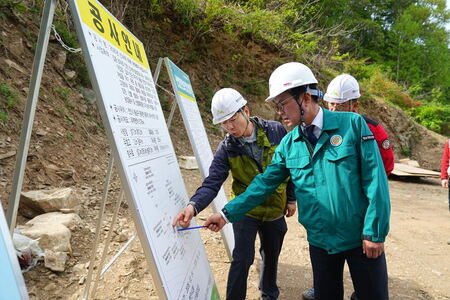
이전에 한국 정부 대표단이 알래스카 액화천연가스(LNG) 프로젝트 현장을 둘러보고 사업 가능성을 직접 확인한 바 있다.
당시 방문은 미국 트럼프 정부가 알래스카 LNG 사업을 에너지 자립을 위해 전략적으로 추진하고 있는 정책의 일환이다. 따라서 우리 정부 대표단은 그 실체를 파악하고 관련 정보를 축적하는 차원에서 이루어졌다. 당시 윤석열에서 이재명으로 정부 교체기 시대에 잘 알려지지 않은 상태에서 이루어진 방문 결과를 바탕으로 6월부터 집권한 이재명 정부는 관세 협상 등과 연계하여 LNG 사업에 대한 참여 여부를 고려할 것으로 예상되었다.
당시 한국 대표단은 지난 2∼3일 알래스카 앵커리지에서 열린 제4차 알래스카 지속 가능한 에너지 콘퍼런스 (Alaska Sustainable Energy Conference)에 참석한 이후에 돌아왔다. 당시 방미에서 알래스카 가스전 관련 협상이나 협의는 이루어지지 않았다고 주장했다. 다만, 현장 시찰 기회가 주어져 프루도 베이(Prudhoe Bay) 등 사업 지역을 직접 둘러보고 사업 설명을 들을 수 있었다고 했다. 당시 현장 시찰에는 미국 측 관계자들과 한국을 비롯한 일본, 대만, 필리핀 등 정부 관계자들도 동행했는데 트럼프는 이들 정부들에도 알래스카 LNG 사업을 제안한 것으로 보인다.
당시 행사에는 포스코 인터내셔널 등 한국 기업도 참석했지만 현지 사정으로 기업 관계자들은 현장 시찰에는 동행하지 못했다. 당시 한국 대표단은 알래스카 주 정부, 알래스카 가스라인 개발공사(AGDC), 민간 개발사인 글랜파른(Glenfarne) 그룹 등의 관계자들로부터 이번 프로젝트 핵심 지역인 프루도 베이 및 포인트 톰슨(Point Thomson) 일대의 석유 및 가스전 개발 현황과 계획을 청취했다. 대표단은 알래스카 LNG 프로젝트의 전제가 되는 가스 매장량, 그리고 약 1,300㎞ 길이의 파이프라인 설치 등의 개발 가능성을 개략적으로 확인했다. 프루도베이 유전에서는 현재 석유 채굴 과정에서 가스도 함께 추출되고 있다.
다만, 이 가스들은 상업적으로 사용할 수 없어 다시 유정에 재주입 되고 있는 실정이다. 이를 통해 유정의 압력을 높여 석유 회수 효율성을 높이고 있다. 이미 상당 기간 현장에서 가스를 추출해 리인젝션(Reinjection) 하고 있고, 미국 측 발표도 있어 원료 가스에 대한 매장 잠재력은 상당한 것으로 보인다. 총 800마일(1,287㎞) 구간에 놓는 파이프라인 공사에 대한 우려도 점검 대상이었다. 알래스카 LNG 사업 발표 추진 직후 국내에서는 알래스카 땅 대부분이 동토(凍土)이기 때문에 가스관 설치 등 개발 여건이 좋지 않다는 우려가 제기된 바 있다. 이에 현장에서 확인한 결과 약 1,300㎞ 길이의 파이프라인은 대부분 이미 알래스카 북부에서 남부로 연결된 송유관 설치 라인을 따라 바로 옆에 설치될 예정이라 했다.
이에 ADGC와 글랜파른 측은 송유관과 가스 파이프라인이 알래스카 북부 지역에서 시작해 약 70% 정도는 같은 라인으로 내려오다가 이후 남부 지역에서 갈라지는 방식으로 사업을 추진하고 있다고 했다. 기존 송유관은 남동부 방향인 발데즈 방향으로 가지만, 가스관은 이보다 남서부 방향인 니키스키로 이어진다. 부동항인 니키스키 항구에는 LNG 터미널 등 시설이 지어져 LNG 운반선을 통해 LNG를 동아시아 지역으로 수출한다는 구상을 갖고 있다. 물론 기존 송유관은 이미 1970년대부터 운영되던 것으로, 가스관 매립 및 설치를 위한 관련 데이터도 상당 부분 축적되었다. 미국은 대표단 등에 알래스카 LNG 프로젝트 추진에 대한 의지를 강하게 피력했다.
2027년에 알래스카 남부에서 나는 가스가 고갈될 예정이므로, 내수용 가스를 끌어오기 위해서라도 알래스카 북부∼남부 가스관 공사는 필수적이다. 당시 현장 시찰은 첫 현장 방문이라는 의미는 있지만, 사업성 검토와 현장 확인이 충분히 이루어지지는 못했다. 이에 시찰 결과를 바탕으로 충분한 검토를 거쳐 새 정부 및 관련 기업이 참여하는 시찰단을 꾸려 사업성을 확인하는 작업이 필요하다고 본다. 현재 이재명 대통령은 방미 중이다. 한미정상회담 때 아마 알래스카 LNG 사업 얘기도 분명 나올 것이다. 다짜고짜 앞뒤 재지 않고 무조건 사인하지 말고 충분히 검토하고 나서 결정을 내려야 한다. 나는 LNG 사업성 검토와 현장 확인이 충분히 이루어지지는 못한 것이 마음에 걸린다.
그러나 알래스카 사업은 막대한 초기 투자 비용, 장기적인 수익 구조에 대한 불확실성, 국제 LNG 가격 변동, 공급 과잉 가능성, 인허가 지연 문제, 그리고 험준한 알래스카 환경과 건설의 어려움 등의 큰 리스크가 따른다. 또한 가스공사의 재무 구조가 이를 감당하기 어렵다는 점에 있다. 이미 글로벌 석유, 가스 기업인 엑슨모빌 등 주요 기업들이 투자를 검토했다가 발을 뺐다는 이야기가 있다. 그런데 지난 15일 러시아-미국의 알래스카 정상회담에서 LNG 사업 협력 가능성을 논의했다고 한다. 푸틴 대통령은 러시아가 독특한 LNG 기술을 보유하고 있다고 밝혔다. 우리는 살짝 뒤로 빠지면서 러시아와 일본, 대만, 필리핀이 어떻게 움직이는지 보고 움직이는 것이 가장 현명한 방법일듯 싶다.
*필자/ 정길선.
노바토포스 회원, 역사학자, 고고인류학자, 칼럼니스트, 러시아 과학아카데미 유라시아 고고인류학연구소 연구교수.
*아래는 위 기사를 '구글 번역'으로 번역한 영문 기사의 [전문]입니다. '구글번역'은 이해도 높이기를 위해 노력하고 있습니다. 영문 번역에 오류가 있을 수 있음을 전제로 합니다.<*The following is [the full text] of the English article translated by 'Google Translate'. 'Google Translate' is working hard to improve understanding. It is assumed that there may be errors in the English translation.>
Korean Government Delegation Visits Alaska LNG Project Site
Columnist Jeong Gil-seon
A Korean government delegation previously toured the Alaska LNG project site and directly verified its potential.
The visit was part of the Trump administration's strategic push for energy independence in Alaska's LNG project. Therefore, the Korean government delegation sought to understand the project's true nature and gather relevant information. The visit, which was largely unknown at the time during the transition from Yoon Seok-yeol to Lee Jae-myung, led to expectations that the Lee Jae-myung administration, which took office in June, would consider participating in the LNG project in conjunction with tariff negotiations.
The Korean delegation returned after attending the 4th Alaska Sustainable Energy Conference held in Anchorage, Alaska, on June 2nd and 3rd. They claimed that no negotiations or discussions regarding the Alaskan gas field took place during their visit. However, they did say that they were given the opportunity to inspect the site, which allowed them to tour Prudhoe Bay and other project sites and hear a presentation on the project. At the time, US officials, along with government officials from South Korea, Japan, Taiwan, and the Philippines, accompanied the delegation. Trump appears to have proposed the Alaska LNG project to these governments as well.
Korean companies, including POSCO International, also attended the event, but due to local circumstances, they were unable to accompany the delegation. The Korean delegation heard from officials from the Alaskan government, the Alaska Gasline Development Corporation (AGDC), and private developer Glenfarne Group about the current status and plans for oil and gas field development in the Prudhoe Bay and Point Thomson areas, key areas for the project. The delegation outlined the gas reserves necessary for the Alaska LNG project and the potential for development, including the construction of a pipeline approximately 1,300 kilometers long. Gas is currently being extracted from the Prudhoe Bay field during the oil extraction process.
However, this gas is not commercially viable and is being reinjected into the well. This process increases well pressure and improves oil recovery efficiency. Gas extraction and reinjection have already been underway on-site for a considerable period of time, and with US announcements, the potential for raw gas reserves appears significant. Concerns surrounding the proposed 800-mile (1,287 km) pipeline project were also under scrutiny. Immediately following the announcement of the Alaska LNG project, concerns were raised in Korea regarding the unfavorable conditions for gas pipeline installation and other development, as much of Alaska is frozen. However, upon inspection, it was revealed that the approximately 1,300 km pipeline will be installed directly alongside the existing oil pipeline, which runs from northern Alaska to southern Alaska.
ADGC and Glenfarn stated that the project is proceeding with a plan for the oil and gas pipelines to begin in northern Alaska, follow approximately 70% of the same line, and then branch off in the southern region. The existing oil pipeline runs southeast toward Valdez, while the gas pipeline will extend further southwest to Nikiski. The plan is to build facilities such as an LNG terminal at Nikiski Port, a non-ice-free port, to export LNG to East Asia via LNG carriers. Of course, the existing pipeline has been in operation since the 1970s, and a significant amount of data has been accumulated for pipeline burial and installation. The United States has strongly expressed its commitment to the Alaska LNG project to delegations and others.
With southern Alaska gas expected to run out by 2027, construction of the Northern-Southern Alaska pipeline is essential to secure domestic gas supply. While the on-site inspection was significant as the first site visit, a thorough feasibility study and on-site verification were not conducted. Therefore, based on the inspection results, a thorough review and an inspection team comprised of the new government and relevant companies should be formed to verify the feasibility of the project. President Lee Jae-myung is currently visiting the United States. The Alaska LNG project will undoubtedly come up during the South Korea-US summit. Rather than blindly signing a deal without careful consideration, a decision should be made after thorough review. I am concerned that the LNG feasibility study and on-site verification were not sufficiently conducted.
However, the Alaska project carries significant risks, including massive initial investment costs, uncertainty about the long-term profit structure, fluctuations in international LNG prices, the possibility of oversupply, delays in permitting, and the harsh Alaskan environment and construction difficulties. Furthermore, the gas company's financial structure is unlikely to be able to handle these risks. There are already reports that major companies, including global oil and gas giant ExxonMobil, considered investing but then backed out. However, at the Russia-US Alaska Summit on the 15th, the possibility of LNG cooperation was reportedly discussed. President Putin stated that Russia possesses unique LNG technology. The wisest course of action for us would be to slightly back off, observing how Russia, Japan, Taiwan, and the Philippines operate before making any moves.