▲ 제4회 한지의 날 맞아 학술포럼 및 전시회 개최 |
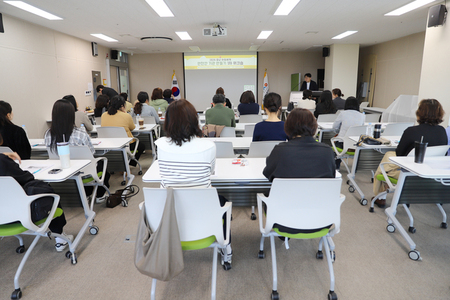
[브레이크뉴스=강동호 기자] 제4회 한지의 날을 맞아 지난 10일 함양문화예술회관에서 전통한지의 유네스코 인류무형문화유산 등재를 위한 제9회 학술포럼 및 전시회를 성황리에 개최했다.
이번 행사는 함양군과 한지살리기재단이 공동 주관으로 제1회 안동시를 시작으로 문경시, 전주시, 종로구, 완주시, 진관사, 경북 등지를 거쳐 아홉 번째로 함양군에서 열리게 됐다.
행사는 ‘천년을 이어온 함양 전통한지’를 주제로 경남무형유산 한지장 이상옥 보유자, 전통 염색 명장 박정숙, 서책 제작 장인 강안구 등 함양 출신 장인 3인이 참여해 전통 한지와 도구, 염색지, 지승공예품, 서책 제작 시연 등 40여 점의 작품을 선보이며 큰 관심을 모았다.
학술포럼은 함한희 무형문화연구원 원장의 ‘유네스코 등재 추진 성과와 지속 가능한 전승 방안’ 기조발제에 이어 이진식 사행산업통합감독위원회 사무처장의 ‘AI·탄소 저감 시대 한지 산업의 지속 가능성’, 최태호 충북대 교수의 ‘한지·화지·중국지의 원료 및 제지 특성 비교’ 발표가 진행됐다.
이어 정선화 국립문화유산연구원 연구사의 ‘고문헌 속 한지 자료 연구’, 이도희 경남무형유산 한지장 이수자의 ‘함양 전통한지의 역사·특징·마을 공동체 문화’ 발표가 이어졌다.
종합 토론에서는 임돈희 동국대 석좌교수가 좌장을 맡고, 이형호 한지살리기재단 상임이사, 이형원 산림바이오소재연구소 연구사, 이응철 가톨릭대 겸임교수 등이 참여해 ‘전통한지의 과거·현재·미래 가치’를 주제로 심도 있는 토론을 펼쳤다.
이번 포럼에서는 특히 함양 전통한지의 역사와 지역 공동체 문화가 집중 조명됐다.
함양의 전통한지는 신라 진평왕 1년(579) 군자사 창건 이후 지리산 일대 30여 개의 사찰과 암자가 창건되면서 사찰 종이 제작 기술과 함께 발전했으며, 고려시대에는 마천소·의탄소·가을산소 등 관청지소를 중심으로 중앙 정부에 공납될 만큼 뛰어난 품질을 자랑했다.
또한 조선시대에는 1552년(명종 7년) 개암 강익 선생의 주도로 유네스코 세계유산 남계서원이 창건되고, 이어 함양군 내 10곳의 서원이 건립되면서 서책 간행과 학문 보급에 함양 한지가 널리 사용됐다.
함양의 지리산 일대는 1,400여 년 전부터 사찰 종이의 발달로 산과 들에 닥나무를 재배하면서 많은 양의 한지를 생산할 수 있었다.
선조들의 지혜로 홍수 피해를 막기 위해 다랑이논과 밭둑에 닥나무를 식재하고 재배해 왔고, 현재 함양군 일대 다랑이논과 밭 가장자리에 많은 닥나무가 자생하고 있다.
또한 깊은 계곡과 맑고 깨끗한 엄청강(임천)의 물, 참닥나무, 황촉규, 느릅나무, 그리고 숙련된 한지 장인과 마을 공동체 문화 등의 여건이 어우러져 함양은 최고 품질의 전통 한지를 생산하는 지역으로 자리매김해 왔다.
특히, 이상옥 한지장의 공방은 1882년부터 현재까지 143년 동안 5대째 전통을 이어오며 닥나무 재배와 전통 한지 제지술, 마을 공동체 문화 등을 후대에 계승하기 위한 노력을 지속하고 있다.
그리고 함양의 마을 공동체 ‘지리산 닥종이를 만드는 사람들’ 구성원은 평생 전통 한지 주원료인 닥나무를 재배하고 닥무지, 피닥, 백닥 가공 작업 등을 이상옥 한지장과 함께 품앗이 형태 마을 공동체의 지속적인 운영을 위해 최선의 노력을 경주해 오고 있다.
이번 포럼은 함양 전통 한지의 역사와 특성, 그리고 마을 공동체 문화의 의미를 다각적으로 조명하며, 유네스코 인류무형문화유산 등재의 당위성과 보편성을 제시하는 중요한 자리가 됐다.
국가유산청은 지난 2024년 3월 31일 ‘한지제작 전통지식과 기술 및 문화적 실천’을 한국 대표 목록으로 유네스코에 등재 신청을 완료했으며, 등재 여부는 2026년 12월 제21차 유네스코 무형유산보호협약 정부간위원회에서 결정될 예정이다.
진병영 함양군수는 “이번 학술 포럼을 통해 함양 전통 한지의 역사와 특징, 그리고 마을 공동체 문화의 의미를 깊이 이해하고, 전통 한지의 우수성과 그 가치를 공감할 수 있었다”라며 “전통 한지의 유네스코 인류무형문화유산 등재를 위한 중요한 밑거름이 되는 뜻깊은 자리가 되었으면 한다”라고 말했다.
*아래는 위 기사를 '구글 번역'으로 번역한 영문 기사의 [전문]입니다. '구글번역'은 이해도 높이기를 위해 노력하고 있습니다. 영문 번역에 오류가 있을 수 있음을 전제로 합니다. *The following is [the full text] of the English article translated by 'Google Translate'. 'Google Translate' is working hard to improve understanding. It is assumed that there may be errors in the English translation.
Hamyang Revisits the History and Value of Traditional Hanji
Academic Forum and Exhibition Held to Mark the 4th Hanji Day
On the 10th, the 9th Academic Forum and Exhibition, dedicated to the UNESCO Intangible Cultural Heritage of Humanity, was successfully held at the Hamyang Culture and Arts Center to commemorate the 4th Hanji Day.
This event, co-hosted by Hamyang County and the Hanji Restoration Foundation, began in Andong City, and has since been held in Mungyeong City, Jeonju City, Jongno District, Wanju City, Jingwansa Temple, and Gyeongbuk Province. This marks the ninth time Hamyang County will host the event.
Themed "Hamyang Traditional Hanji: A Millennium of Intangible Cultural Heritage," the event featured three Hamyang-born artisans: Lee Sang-ok, a holder of the Gyeongnam Intangible Cultural Heritage of Korea; Park Jeong-suk, a master dyer; and Kang An-gu, a master bookmaker. The event garnered significant attention, showcasing over 40 works, including traditional hanji, tools, dyed paper, traditional crafts, and bookmaking demonstrations.
The academic forum began with a keynote speech by Ham Han-hee, Director of the Intangible Cultural Heritage Research Institute, titled "Achievements in UNESCO Registration and Sustainable Transmission Strategies." This was followed by presentations by Lee Jin-sik, Secretary General of the Integrated Gambling Industry Supervision Committee, on "Sustainability of the Hanji Industry in the Era of AI and Carbon Reduction," and by Choi Tae-ho, Professor at Chungbuk National University, on "A Comparison of Raw Materials and Papermaking Characteristics of Hanji, Washi, and Chinese Paper."
Following this, Jeong Seon-hwa, Researcher at the National Cultural Heritage Research Institute, presented on "A Study of Hanji Data in Ancient Documents," and Lee Do-hee, a graduate of the Gyeongnam Intangible Cultural Heritage Hanji Craftsmanship Institute, presented on "The History, Characteristics, and Village Community Culture of Hamyang Traditional Hanji."
The general discussion was moderated by Professor Lim Don-hee of Dongguk University. Participants included Lee Hyung-ho, Executive Director of the Hanji Restoration Foundation, Lee Hyung-won, Researcher at the Forest Biomaterials Research Institute, and Lee Eung-cheol, Adjunct Professor at Catholic University, who engaged in an in-depth discussion on "The Past, Present, and Future Value of Traditional Hanji."
This forum particularly highlighted the history of Hamyang's traditional hanji and the culture of the local community.
Hamyang's traditional hanji developed alongside temple papermaking techniques, following the founding of Gunjasa Temple in the first year of King Jinpyeong's reign (579) in the Silla Dynasty, with the establishment of over 30 temples and hermitages in the Jirisan area. During the Goryeo Dynasty, local government offices, such as Macheonso, Uitanso, and Gaeulsanso, boasted such exceptional quality that they were offered as tribute to the central government.
Furthermore, during the Joseon Dynasty, the UNESCO World Heritage Namgyeseowon was founded in 1552 (the 7th year of King Myeongjong's reign) under the leadership of Gaeam Gangik. Following this, ten other seowons were established in Hamyang County, leading to the widespread use of Hamyang hanji for book publishing and the dissemination of knowledge.
The Jirisan area in Hamyang, with its cultivating mulberry trees in the mountains and fields, enabled the development of temple paper over 1,400 years ago, enabling the production of large quantities of hanji.
Our ancestors, guided by their wisdom, planted and cultivated paper mulberry trees along terraced fields and along the ridges of fields to prevent flood damage. Today, numerous paper mulberry trees grow naturally in terraced fields and along the edges of fields throughout Hamyang County.
Furthermore, the deep valleys, the clear waters of the Eumma River (Imcheon), the abundance of Korean paper mulberry, Japanese elm, and Japanese elm trees, along with skilled Korean paper artisans and a vibrant community culture, have combined to establish Hamyang as a region producing top-quality traditional Korean paper.
In particular, the Hanji workshop of Lee Sang-ok, a Korean paper craftsman, has continued this tradition for five generations, spanning 143 years since 1882. He continues to strive to pass on the cultivation of paper mulberry trees, traditional Korean papermaking techniques, and the culture of the local community to future generations.
Members of the Hamyang village community, "Jirisan Mugwort Paper Makers," have dedicated their lives to cultivating mulberry trees, the primary raw material for traditional hanji, and working with Hanji Master Lee Sang-ok to process mulberry, pidak, and baekdak, striving for the sustainable operation of the village community through a collaborative approach.
This forum provided a multifaceted perspective on the history and characteristics of Hamyang's traditional hanji, as well as the significance of the village community's culture. It also served as a crucial opportunity to demonstrate the justification and universality of UNESCO's inscription on the Intangible Cultural Heritage of Humanity.
On March 31, 2024, the National Heritage Administration completed its application for UNESCO's inscription of "Traditional Knowledge, Techniques, and Cultural Practices of Hanji Production" on the Korean Representative List. The decision on inscription is scheduled for the 21st session of the UNESCO Intergovernmental Committee for the Safeguarding of the Intangible Cultural Heritage in December 2026.
Hamyang County Governor Jin Byeong-yeong said, “Through this academic forum, we were able to gain a deeper understanding of the history and characteristics of Hamyang’s traditional Hanji, as well as the significance of the village community culture, and to appreciate the excellence and value of traditional Hanji.” He added, “I hope this will be a meaningful opportunity that will serve as an important foundation for the registration of traditional Hanji as a UNESCO Intangible Cultural Heritage of Humanity.”
원본 기사 보기:브레이크뉴스경남