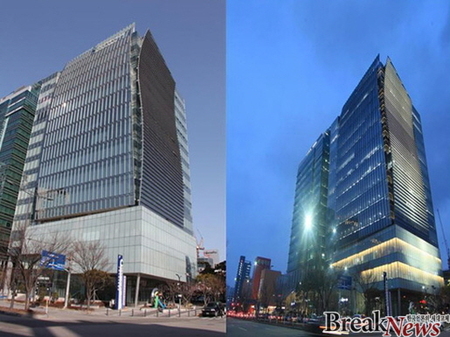
▲ 인천광역시 ©박상도 기자 |
(브레이크뉴스인천 박상도 기자) 인천시가 30일 아트센터 인천에서 ‘인천광역시 공간정보정책 종합계획(2026~2030)’ 최종 보고회를 성황리에 마쳤다고 밝혔다.
인천시에 따르면, 이번 행사는 국토교통부의 ‘디지털트윈국토 시범사업 성과보고회’와 함께 인천시 주관으로 열렸으며, 국토교통부를 비롯한 전국 시·도 및 시·군·구 공무원, 학계 전문가, 민간기업, 인천대 학생 등 다양한 주체가 참여한 민·관·학 협력의 개방형 정책 논의의 장으로 진행됐다.
보고회에서는 인천시가 추진하는 ‘인천-트윈(Incheon-Twin) 플랫폼’ 구축을 중심으로 한 공간지능 기반 도시운영 전략이 발표됐다.
이 플랫폼은 도시의 인프라·환경·안전·교통 등 모든 행정 분야를 하나의 디지털 공간 위에서 통합 관리하고, 인공지능(AI)·디지털트윈 기술을 결합해 실시간으로 도시 상황을 예측·분석·대응하는 지능형 운영체계를 구축을 목표로 하고 있다.
특히, 인천시는 과학적 도시계획과 첨단 관리를 위한 디지털 전환 선도, 산업·경제 경쟁력 강화를 위한 경제 혁신 촉진, 시민 중심의 맞춤형 서비스를 위한 시민 체감 실현, 기후위기 대응과 안전한 도시관리를 위한 지속가능한 회복력 구축, 미래 선도와 협력적 거버넌스를 위한 자생적 혁신 생태계 조성 등 5대 목표를 제시했다.
이러한 목표로 인천시는 공간데이터 기반 행정혁신과 도시운영의 지능화, 시민 중심의 스마트서비스 확산과 삶의 질 향상, 탄소중립형 지속가능 도시 구현, 민관협력과 글로벌 연계를 통한 혁신 생태계 조성 등 구체적인 성과지표 달성하여‘시민의 행복과 도시의 가치를 높이는 공간지능 AI-시티, 인천’ 비전을 실현할 계획이다.
이날 열린 산·학·연·관 전문가 패널토론에서는 디지털트윈 서비스 고도화, 민관 데이터 연계, 인공지능(AI) 기반 공간정보 활용 확대 방안 등이 논의됐다.
전문가들은 국가의 공간정보 정책 방향과 인천시의 디지털트윈 행정서비스 성과를 높이 평가하고, 민간 서비스와의 연계 및 데이터 융합을 통한 도시문제 해결 가능성을 제시하며, 인천의 ‘공간지능 AI-시티’ 비전 실현 가능성에 기대를 나타냈다.
유정복 시장은 “이번 보고회는 인천이 디지털 트윈 정책의 중심도시로 도약하고 있음을 보여주는 뜻깊은 자리”이며, “앞으로도 시민의 행복과 도시의 가치를 높이는 ‘공간지능 AI-시티, 인천’을 실현해 나가겠다”고 밝혔다.
*아래는 위 기사를 ‘구글 번역’으로 번역한 영문 기사의 [전문]입니다.‘구글번역’은 이해도 높이기를 노력하고 있습니다. 영문 번역에 오류가 있을 수 있음을 전제로 합니다.<*Below is the full text of the English translation of the above article, translated using Google Translate. Google Translate strives to improve comprehension. Please understand that there may be errors in the English translation.>
Announcement of a spatial intelligence-based urban operation strategy centered on the establishment of the 'Incheon-Twin Platform'
Ministry of Land, Infrastructure and Transport presents future city strategy along with the 'Digital Twin National Territory Pilot Project Performance Report'
-Break News Incheon Park Sang-do Reporter
Incheon City announced the successful completion of the final report meeting for the 'Incheon Metropolitan City Spatial Information Policy Comprehensive Plan (2026-2030)' at the Incheon Arts Center on the 30th.
According to Incheon City, this event, hosted by Incheon City and co-hosted by the Ministry of Land, Infrastructure and Transport (MOLIT) and the 'Digital Twin National Territory Pilot Project Performance Report', served as an open forum for policy discussion through public-private-academic cooperation, with participation from various stakeholders, including government officials from the MOLIT, city and provincial governments, city and county governments, academic experts, private companies, and students from Incheon National University.
The briefing session presented Incheon City's spatial intelligence-based urban management strategy, centered on the establishment of the "Incheon-Twin Platform."
This platform aims to integrate and manage all administrative areas, including the city's infrastructure, environment, safety, and transportation, within a single digital space. Combining artificial intelligence (AI) and digital twin technologies, it aims to establish an intelligent operating system that predicts, analyzes, and responds to urban situations in real time.
In particular, Incheon City presented five key goals: leading the digital transformation for scientific urban planning and advanced management; fostering economic innovation to enhance industrial and economic competitiveness; realizing citizen experiences through citizen-centered, customized services; building sustainable resilience to address the climate crisis and ensure safe urban management; and fostering a self-sustaining innovation ecosystem for future leadership and collaborative governance.
With these goals, Incheon plans to realize its vision of "Incheon, a Spatial Intelligence AI-City that Enhances Citizen Happiness and Urban Value" by achieving specific performance indicators, including spatial data-based administrative innovation and intelligent city operations, citizen-centered smart services and improved quality of life, realizing a carbon-neutral, sustainable city, and fostering an innovation ecosystem through public-private partnerships and global connections.
The panel discussion, held that day, featured experts from industry, academia, research, and government, discussing ways to enhance digital twin services, link public-private data, and expand the use of artificial intelligence (AI)-based spatial information.
The experts praised the national spatial information policy direction and Incheon City's digital twin administrative services. They also highlighted the potential for solving urban problems through integration with private services and data integration, expressing their anticipation for Incheon's "Spatial Intelligence AI-City" vision.
Mayor Yoo Jeong-bok stated, "This briefing is a meaningful opportunity that demonstrates Incheon's advancement as a leading city in digital twin policies." He added, "We will continue to realize 'Incheon, a Spatial Intelligence AI-City' that enhances citizen happiness and urban value."
원본 기사 보기:ebreaknews.com