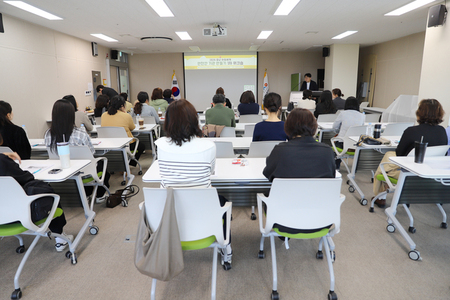
▲ 박형준 시장 주재로 10일 오후 시청 12층 소회의실2에서 보고회를 열어 4대 전략과 71개 핵심사업을 점검, 논의하고 기념 촬영하고 있다. © 배종태 기자 |
[브레이크뉴스=배종태 기자] 부산시가 정부의 경제성장 전략과 발맞춰 지역 특성을 반영한 ‘부산 경제성장 혁신전략’을 확정하고, 이를 실행할 핵심사업 추진에 본격 나섰다.
시는 10일 오후 2시 시청 12층 소회의실2에서 박형준 시장 주재로 보고회를 열어 4대 전략과 71개 핵심사업을 점검하고, 민관 협력체계 강화를 통한 실질적 실행 방안을 논의했다.
4대 전략·71개 사업 확정
시는 ‘미래 신성장산업 육성을 통한 글로벌 톱 5 해양도시 도약’을 목표로 4대 전략과 10개 추진과제, 71개 핵심사업을 확정했다.
핵심사업은 신규 사업 53개, 계속사업의 고도화 15개, 확대 추진사업 3개로 구성되며 정부 주요 프로젝트와의 연계성이 중점 반영됐다. 시가 중점 추진할 4대 전략은 ▲해양-미래 기술 대융합 ▲인공 지능(AI) 기반 기술혁신 고도화 ▲소재·부품·장비 및 에너지산업 선도 ▲라이프산업 활성화(붐업)이다
- 해양-미래기술 대융합: 해양 항만 인공지능 전환(AX) 실증센터 유치 등 1조 9,270억 원 규모의 21개 사업을 추진해 차세대 스마트 조선 기술과 해양 AI 허브를 조성한다.
- 인공지능(AI) 기반 기술혁신 고도화: 한국형 그린데이터센터 선도모델 구축 등 7,824억 원 규모의 16개 사업을 추진해 AI 전환 거점을 확대한다.
- 소재·부품·장비 및 에너지산업 선도: 화합물반도체 인프라 구축 등 1조 7,396억 원 규모의 18개 사업을 통해 첨단 산업 클러스터와 에너지 신산업 경쟁력을 강화한다.
- 라이프산업 붐업: K-지역관광 선도권역 프로젝트 등 4,392억 원 규모의 16개 사업으로 초광역 관광 허브와 에이지테크 산업을 육성한다.
 ▲ 박형준 시장이 10일 오후 ‘부산 경제성장 혁신전략’ 보고회를 주재하고 있다. © 배종태 기자 |
민관 협력 강화 및 국비 확보
시는 이번 보고회를 통해 핵심사업(안)을 보완하고, 선도기업과의 협력체계를 강화해 정부 정책에 발맞춘 실행력을 높일 방침이다. 또한 국비 확보와 정부 공모사업 유치를 통해 재정·세제·금융·인력 등 전방위 지원체계를 마련하고, 부산의 미래 성장 산업을 선제적으로 육성할 계획이다.
박형준 시장은 “이번 보고회는 정부 정책과의 정합성을 높이는 동시에 부산만의 혁신 성장 모델을 구체화하는 전환점이자 출발점”이라며, “부산이 초격차 기술과 신성장 역량을 기반으로 대한민국의 성장 선도 도시로 자리 잡게 될 것”이라고 말했다.
[Here’s an English news article.] Busan Launches Economic Growth Innovation Strategy
-City aligns with national policy through four major strategies and 71 key projects
Busan Metropolitan City has unveiled its “Economic Growth Innovation Strategy” to align with the South Korean government’s national growth policy while leveraging the city’s industrial strengths and future potential. Mayor Park Heong-joon presided over a strategy briefing at City Hall on Monday, reviewing four strategic pillars and 71 key projects designed to drive Busan’s transformation into one of the world’s top five maritime cities.
Four Strategic Pillars, 71 Projects
The initiative, developed through the city’s public-private task force launched in September, comprises 71 projects worth more than 5 trillion won in total. These include 53 new initiatives, 15 upgraded ongoing projects, and three expanded programs closely linked to major government undertakings.
The city's four key strategies are: ▲the large-scale convergence of marine and future technologies, ▲advancement of AI-based technological innovation, ▲leadership in materials, parts, equipment, and energy industries, and ▲revitalization (boom-up) of the life industry.
▲Marine–Future Technology Convergence: Twenty-one projects worth 1.93 trillion won, including the establishment of a maritime and port Artificial Intelligence Transformation (AX) center, aim to enhance global competitiveness in smart shipbuilding and maritime AI ecosystems.
▲AI-driven Technological Innovation:** Sixteen projects worth 782.4 billion won will establish a leading model for a Korean green data center and build a technology ecosystem for comprehensive AI transformation.
▲Advancement in Materials, Components, and Energy Industries:** Eighteen projects worth 1.74 trillion won will expand high-tech industrial clusters, build facilities for compound semiconductor production, and strengthen energy industry competitiveness.
▲Life Industry Boom-up:** Sixteen projects worth 439.2 billion won will promote Busan as a regional tourism and content hub while advancing age-tech and lifestyle innovation industries.
Collaboration and Implementation
The city plans to refine its key project package based on the briefing’s discussions and enhance cooperation with major corporations to ensure alignment with national economic directives. It will also seek expanded central government funding and participation in large-scale public projects to secure comprehensive fiscal, regulatory, and workforce support.
“This strategy marks a pivotal turning point—one that strengthens policy synergy with the national government while solidifying Busan’s own innovation-driven growth model,” Mayor Park said. “Equipped with advanced technologies and next-generation capabilities, Busan will no longer follow but lead as the driving force of South Korea’s economic growth.”
원본 기사 보기:부산브레이크뉴스