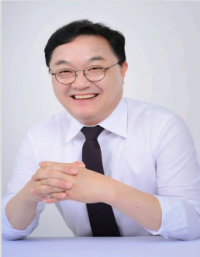
▲ 김주범 의원 © |
【브레이크뉴스 대구】진예솔 기자=2027년 ‘장애인 지역사회 자립법’ 시행을 앞두고 대구시의회 김주범 의원(달서구6)이 장애인 자립 지원 체계의 사각지대 해소를 촉구하고 나섰다.
김 의원은 서면 시정질문을 통해 “대구시는 지역 내 장애인 자립 지원 체계 현황을 세밀하게 파악하고, 정책의 공백을 선제적으로 점검해야 한다”고 주장했다.
이는 2027년 ‘장애인의 지역사회 자립 및 주거 전환 지원에 관한 법률’ 시행을 앞둔 시점에서 장애인 보호 체계 전반을 강화해야 한다는 점을 강조한 것이다.
김 의원이 김예지 국회의원실 자료를 인용해 공개한 바에 따르면, 많은 보장시설 이용자가 실제로는 장애인이지만 관련 제도와 보호 체계가 제대로 작동하지 않는 것으로 나타났다. 정신보건복지시설의 장애인 이용률은 95.1%에 달했으며, 노숙인 복지시설 59.7%, 노인복지시설 37.4%, 아동복지시설 12.2%에서도 상당수가 장애인인 것으로 드러났다. 시설 유형에 따라 제도적 사각지대가 존재한다는 지적이다.
특히 최근 희망마을 성추행 사건 등 복지시설 내 인권침해 사례가 잇달아 발생하면서, 장애인복지시설이 아닌 곳에 거주하는 장애인들의 보호 및 감독체계가 취약하다는 우려가 커지고 있다. 현재 권익옹호제도 역시 장애인복지시설에 초점을 맞추고 있어 관련 규정이 없는 타 시설에 대한 점검과 긴급 보호체계 마련이 시급하다는 목소리가 높다.
이에 김 의원은 대구시에 ▲장애인복지시설 외 거주 장애인 규모 파악 ▲자립 지원 프로그램 참여 실적 및 성과 조사 ▲10년 이상 장기 거주 장애인 현황 ▲권익옹호 사각지대에 놓인 시설들에 대한 긴급 보호체계 구축 ▲법 시행에 대비한 사각지대 해소 방안 등을 구체적으로 질의했다.
김 의원은 “2027년 장애인 지역사회 자립법 시행은 기존의 시설 중심 보호에서 지역사회 기반 자립으로의 큰 변화를 의미한다”며 “대구시는 지금부터 촘촘하게 사각지대를 살피고, 모든 장애인이 지역사회에서 자립적으로 살아갈 수 있도록 정책적 역량을 한데 모아야 한다”고 강조했다.
<구글 번역으로 번역한 영문 기사의 전문 입니다. 번역에 오류가 있을 수 있음을 밝힙니다.>
Ahead of the implementation of the "Community Self-Reliance Act for Persons with Disabilities" in 2027, Daegu City Council Member Kim Joo-beom (Dalseo District 6) has called for the removal of blind spots in the disability self-reliance support system.
In a written policy inquiry, Council Member Kim asserted, "Daegu City must closely assess the current status of its local disability self-reliance support system and proactively examine policy gaps."
This emphasized the need to strengthen the overall protection system for persons with disabilities ahead of the implementation of the "Act on Support for Community Self-Reliance and Housing Transition for Persons with Disabilities" in 2027.
According to data released by Council Member Kim Ye-ji's office, many users of welfare facilities are actually persons with disabilities, but related systems and protection mechanisms are not functioning properly. The utilization rate of mental health and welfare facilities reached 95.1%, while a significant portion of homeless welfare facilities, 59.7% of senior welfare facilities, 37.4% of senior welfare facilities, and 12.2% of children's welfare facilities were also found to be occupied by persons with disabilities. There are criticisms that institutional blind spots exist depending on the type of facility.
In particular, with the recent string of human rights violations within welfare facilities, including the Hope Village sexual harassment incident, concerns are growing about the weakness of the protection and supervision system for people with disabilities residing outside of welfare facilities. The current advocacy system focuses on welfare facilities for people with disabilities, and calls are growing for urgent inspections and the establishment of emergency protection systems for other facilities without relevant regulations.
Representative Kim specifically inquired of the Daegu City Council regarding: ▲ assessing the number of people with disabilities residing outside of welfare facilities for people with disabilities; ▲ investigating the participation and outcomes of self-reliance support programs; ▲ assessing the status of long-term residents with disabilities for 10 years or more; ▲ establishing an emergency protection system for facilities that are facing advocacy blind spots; and ▲ measures to address blind spots in preparation for the implementation of the law.
Rep. Kim emphasized, “The implementation of the 2027 Community Self-Reliance Act for Persons with Disabilities signifies a major shift from existing facility-centered protection to community-based self-reliance,” and added, “Daegu City must now closely examine blind spots and pool its policy capabilities to ensure that all persons with disabilities can live independently in the community.”
원본 기사 보기:브레이크뉴스 대구경북