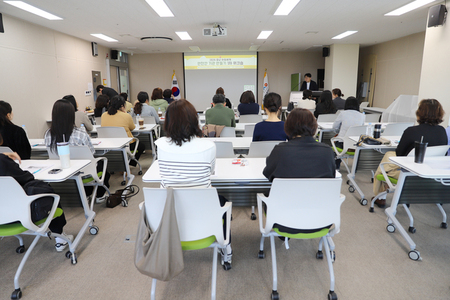
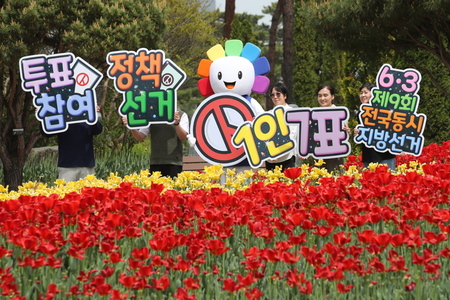
▲ 2026년 금산군 해맞이 행사 모습 © 금산군 제공 |
충남 금산군이 2026년 ‘붉은 말의 해’를 맞아 행정의 내실을 다지고 성과를 현장으로 확산하는 이른바 ‘내외충실’ 기조 아래 군정 운영에 나선다. 단기 성과보다 구조적 체질 개선에 방점을 두고, 주민이 일상에서 변화를 체감할 수 있는 정책 집행을 핵심 과제로 설정했다.
군정의 큰 축은 정주 여건 개선, 지역경제 선순환, 농촌 활력 회복, 생활 취약 분야 보완이다. 인구 감소와 지역 소멸 위험에 대응하기 위해 정주 중심의 도시 성장 동력을 강화하고, 금산형 인구정책 모델을 단계적으로 완성한다는 구상이다. 아토피자연치유마을과 충남형 리브투게더, 상리 뉴빌리지 사업이 그 축을 이루며, ‘100개 마을 만들기 프로젝트’를 통해 농촌 공간 정비와 생활 SOC 확충, 일자리·주거·문화의 결합을 마을 단위에서 실현할 계획이다.
청년층 유입과 정착을 위한 기반 조성도 병행된다. 지역 인재 양성과 평생학습 투자를 확대하는 한편, 청년정착 ‘모여유’ 타운과 셰어하우스 조성 등을 통해 자립 여건을 갖춘 생활권 형성을 추진한다. 이는 단순한 주거 지원을 넘어 교육·일자리·문화 접근성을 함께 고려한 정주 전략으로 해석된다.
지역경제 분야에서는 인삼약초 산업을 중심으로 한 구조적 고도화가 추진된다. 고품질 인삼 생산 기반 강화부터 소비 촉진, 신제품 개발, 판로 확대, 안전 유통체계 구축까지 전 과정을 연계해 ‘세계인삼수도’ 금산의 브랜드 경쟁력을 높이겠다는 전략이다. 동시에 기후변화와 시장 다변화에 대응해 신소득 작목을 육성하고, 소상공인 지원과 중소기업 경영안정자금, 농공단지 노후 기반 정비와 물류비 지원 등 산업 전반의 체력을 보강한다.
관광 분야에서는 금강 방우리 생태탐방로와 월영산 출렁다리 부대시설 조성 등 자연자원을 활용한 체류형 인프라 확충에 나선다. 지역 축제와 연계한 관광상품 개발을 통해 방문 수요를 지역 소비로 연결하려는 시도다.
생활 인프라 개선과 안전 강화도 주요 과제다. 추부 지역 도시가스 보급, 전 읍·면 노후 상수도 개선, 농어촌 용수 개발과 지방상수도 확충을 통해 생활 불편을 줄이고, 스마트도시 안전 통합플랫폼 구축과 사고 다발 지역 집중 관리로 재난 대응 역량을 높인다. 기후 대응 도시숲과 향토숲 조성, 농촌 마을 하수도 정비와 오염 지류 개선 사업은 환경 안전망 확충의 일환이다.
보건·복지 분야에서는 생활권 내 건강 증진 시설과 체육 인프라를 복합적으로 조성하고, 장애인·노인·아동 등 취약계층을 대상으로 한 필수 복지 서비스를 촘촘히 강화한다. 장애인복지관과 반다비체육센터를 연계한 복합 복지 거점 조성은 재활·체육·돌봄 기능을 통합하는 지역형 모델로 평가된다. 아울러 행정정보시스템의 클라우드 전환과 AI·IoT 기반 어르신 건강관리 도입 등 디지털 행정 전환도 병행된다. 보건소와 행복드림센터는 계획 일정에 맞춰 준공을 추진한다.
박범인 금산군수는 이러한 정책 기조가 단발성 사업에 그치지 않고, 지역의 축적된 경험과 행정 역량을 바탕으로 지속 가능한 성과로 이어져야 한다는 점을 강조한다. 금산의 경쟁력과 축적된 노하우를 토대로 대외적 확장과 실질적 변화를 동시에 달성하겠다는 구상이다. 이는 재정 여건과 인구 구조 변화라는 현실 속에서 선택과 집중을 통해 정책 효율성을 높이려는 전략적 접근으로 풀이된다.
*아래는 위 기사를 '구글 번역'으로 번역한 영문 기사의 [전문]입니다. '구글번역'은 이해도를 높이기를 위해 노력하고 있습니다. 영문 번역에 오류가 있을 수 있음을 전제로 합니다.<*The following is [the full text] of the English article translated by 'Google Translate'. 'Google Translate' is working hard to improve understanding. It is assumed that there may be errors in the English translation.>
Geumsan County, South Chungcheong Province, will embrace the "Year of the Red Horse" in 2026, embracing a policy of "integrity both inside and out," focusing on strengthening administrative effectiveness and disseminating results to the field. The county will prioritize structural improvements over short-term achievements, and prioritize policy implementation that enables residents to experience tangible changes in their daily lives.
The county's key axes are improving living conditions, fostering a virtuous cycle in the local economy, revitalizing rural areas, and addressing vulnerable populations. To address population decline and the risk of regional extinction, the county plans to strengthen urban growth centered on settlement and gradually develop a Geumsan-style population policy model. The Atopy Natural Healing Village, Chungnam-style Live Together, and Sangni New Village projects will form the core of this strategy. Through the "100 Villages Project," the county plans to redevelop rural spaces, expand social infrastructure, and integrate jobs, housing, and culture at the village level.
The county will also establish a foundation for attracting and settling young people. While expanding investment in fostering local talent and lifelong learning, the city will also promote the creation of self-sufficient living areas through initiatives such as the "Moyeoyu" youth settlement town and share houses. This strategy goes beyond simple housing support and considers accessibility to education, jobs, and culture.
In the local economy, structural advancements will be promoted, centered on the ginseng and medicinal herb industry. This strategy aims to enhance the brand competitiveness of Geumsan as the "World Ginseng Capital" by linking the entire process from strengthening the foundation for high-quality ginseng production to promoting consumption, developing new products, expanding sales channels, and establishing a safe distribution system. Simultaneously, in response to climate change and market diversification, the city will foster new income-generating crops and bolster the overall industry's resilience through support for small businesses, SME management stabilization funds, and the renovation of aging infrastructure in agro-industrial complexes and subsidizing logistics costs.
In the tourism sector, efforts will be made to expand residential infrastructure utilizing natural resources, such as the Geumgang Banguri Ecological Trail and the Wolyeongsan Suspension Bridge auxiliary facilities. This effort will also involve developing tourism products linked to local festivals to drive visitor demand into local consumption.
Improving living infrastructure and strengthening safety are also key tasks. These include reducing inconveniences by providing city gas to the Chubu region, improving aging water supply systems in all towns and townships, developing water resources for rural areas, and expanding local water supply systems. Disaster response capabilities will be enhanced through the establishment of a smart city safety integrated platform and focused management of accident-prone areas. Climate-responsive urban forests and local forests, along with projects to improve sewage systems and contaminated tributaries in rural areas, are part of the effort to strengthen the environmental safety net.
In the health and welfare sector, comprehensive health promotion facilities and sports infrastructure will be developed within residential areas, and essential welfare services for vulnerable groups such as the disabled, the elderly, and children will be strengthened. The creation of a multi-functional welfare hub linking the Welfare Center for the Disabled and the Bandabi Sports Center is considered a regional model that integrates rehabilitation, sports, and caregiving functions. Furthermore, digital administrative transformation, including the transition of administrative information systems to the cloud and the introduction of AI and IoT-based senior healthcare, will be implemented concurrently. Public health centers and Happy Dream Centers are scheduled for completion according to schedule.
Geumsan County Governor Park Beom-in emphasizes that these policy initiatives should not be limited to one-off projects, but should lead to sustainable results based on the region's accumulated experience and administrative capabilities. He envisions simultaneously achieving external expansion and substantive change, leveraging Geumsan's competitiveness and accumulated expertise. This can be interpreted as a strategic approach to enhancing policy effectiveness through selection and focus amidst the challenges of fiscal constraints and demographic shifts.
원본 기사 보기:브레이크뉴스대전세종충청