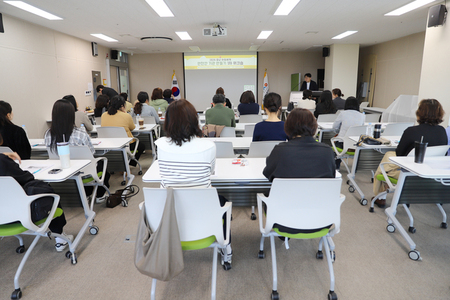
▲ 대전시사회서비스원, '장기요양 종사자 대상 처우 개선비 제도 이해와 회복탄력성 교육' 진행 모습 © 대전시사회서비스원 제공 |
2026년부터 대전지역 장기요양기관에서 근무하는 사회복지사의 처우가 실질적으로 개선된다. 노인 인구 증가와 장기요양 수요 확대에 비해 상대적으로 미흡했던 현장 인력의 근무 여건을 보완하기 위한 조치다.
대전시는 대전시사회서비스원 산하 장기요양요원지원센터의 정책 제안을 반영해 ‘장기요양기관 사회복지사 처우개선 지원사업’을 금년부터 시행한다. 현장 간담회와 협회 의견 수렴을 거쳐 예산을 편성한 것으로, 장기요양 분야 종사자의 장기근속을 유도하고 서비스 안정성을 높이는 데 초점이 맞춰졌다.
지원 대상은 대전시에 등록된 장기요양기관에서 1년 이상 근무한 사회복지사다. 대상자 1인당 연 100만 원이 장기근속 수당과 명절 수당 형태로 지급되며, 2026년 기준 지원 인원은 1117명, 총사업비는 11억1700만 원 규모다. 대전시와 장기요양요원지원센터는 제도 이해도를 높이기 위해 이달 13일부터 27일까지 모두 7차례에 걸쳐 사업설명회를 진행한다.
이번 조치는 사회복지시설 종사자 처우개선 논의에서 상대적으로 후순위에 놓여 있던 장기요양기관 사회복지사를 제도권 지원 대상으로 명확히 포함했다는 점에서 의미가 크다. 장기요양서비스는 돌봄의 연속성과 전문성이 핵심인 만큼, 인력의 고용 안정과 처우 개선은 곧 서비스 품질로 이어질 수밖에 없다는 판단이 반영됐다.
대전시사회서비스원은 장기요양요원 처우개선과 지위 향상이 '노인장기요양보험법'에 따라 국가와 지방자치단체의 책무로 규정돼 있다는 점을 강조하며, 대전이 2017년 관련 조례 제정을 통해 제도적 기반을 마련해 온 흐름의 연장선상에서 이번 정책이 추진됐다고 설명했다. 이는 단기적 수당 지원을 넘어 지역 돌봄 체계의 지속가능성을 높이기 위한 공공정책으로 해석된다.
사회복지 전문가들은 장기요양 현장의 인력 유출을 막고 숙련도를 유지하기 위해서는 일회성 지원이 아닌 단계적·누적적 처우개선이 필요하다고 본다. 대전시는 앞으로도 사회서비스 종사자가 현장에서 체감할 수 있는 지원 정책을 점진적으로 확대해 나간다는 방침이다.
*아래는 위 기사를 '구글 번역'으로 번역한 영문 기사의 [전문]입니다. '구글번역'은 이해도를 높이기를 위해 노력하고 있습니다. 영문 번역에 오류가 있을 수 있음을 전제로 합니다.<*The following is [the full text] of the English article translated by 'Google Translate'. 'Google Translate' is working hard to improve understanding. It is assumed that there may be errors in the English translation.>
Starting in 2026, the treatment of social workers working at long-term care facilities in the Daejeon area will substantially improve. This measure aims to improve the working conditions of field workers, which have been relatively inadequate compared to the growing elderly population and demand for long-term care.
Daejeon City will implement the "Support Project to Improve the Treatment of Social Workers at Long-Term Care Facilities" starting this year, reflecting policy proposals from the Long-Term Care Worker Support Center under the Daejeon Social Service Center. The budget, compiled through field meetings and feedback from associations, focuses on encouraging long-term employment and enhancing service stability for long-term care workers.
Eligible for support are social workers who have worked at long-term care facilities registered with Daejeon City for at least one year. Each recipient will receive an annual 1 million won subsidy in the form of long-term service and holiday allowances. As of 2026, 1,117 individuals will receive support, and the total project budget is 1.117 billion won. To increase understanding of the system, the Daejeon Metropolitan City and the Long-Term Care Worker Support Center will hold seven briefing sessions from the 13th to the 27th of this month.
This measure is significant because it explicitly includes social workers at long-term care facilities, who have been relatively underrepresented in discussions about improving the treatment of social welfare facility workers, as eligible for institutional support. Since long-term care services rely on continuity and professionalism, the decision reflects the belief that employment stability and improved treatment will inevitably lead to improved service quality.
The Daejeon Metropolitan City Social Service Center emphasized that improving the treatment and status of long-term care workers is a responsibility of the national and local governments under the Long-Term Care Insurance for the Elderly Act. They explained that this policy is an extension of Daejeon's 2017 policy of establishing an institutional foundation through the enactment of related ordinances. This policy is interpreted as a public policy that goes beyond short-term allowance support and aims to enhance the sustainability of the local care system.
Social welfare experts believe that preventing a drain on long-term care workers and maintaining their skills requires gradual and cumulative improvements in treatment, rather than one-time support. Daejeon City plans to gradually expand support policies that social service workers can experience in the field.
원본 기사 보기:브레이크뉴스대전세종충청