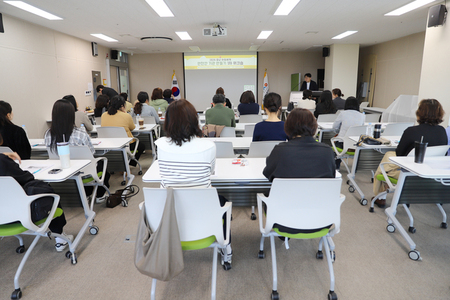
【브레이크뉴스 경북】이성현 기자=경상북도는 21일 도청 중회의실에서 ‘경북 동해안권 철도관광 활성화 전략 수립 연구용역’ 중간보고회를 열고, 동해안권 철도관광의 중장기 발전 방향을 논의했다고 밝혔다.
 ▲ 동해선 타고 울진으로 시(Sea)원한 해양레포츠 여행 ©울진군 |
이번 보고회는 지난 8월 착수보고회 이후 연구 성과를 공유하고 전략의 실효성을 점검하기 위해 마련됐다.
이날 보고회에서는 국내외 철도역과 인근 관광자원을 연계한 우수 사례 분석을 비롯해 데이터 기반 철도 이용객 패턴과 2026년 관광 트렌드 분석을 통한 맞춤형 철도관광 전략 수립 방안이 중점적으로 다뤄졌다. 또한 지역 특성을 반영한 테마역 조성 방향과 내륙 산림·생태 자원과 해안 철도·해양 자원을 연계한 광역 관광지구 조성 방안에 대해서도 심도 있는 논의가 이어졌다.
특히 전체 철도 이용객의 81.5%가 포항역에 집중되는 관문형 구조에서 벗어나, 영덕·울진 등 중간 정차역의 고유 자원과 테마를 활용해 관광객을 분산시키는 순환형 관광 생태계 구축에 초점을 맞췄다. 단계별로 ‘내리고 싶은 역’을 조성하고, 나아가 ‘머물고 싶은 마을’을 만들어 동해안권을 글로벌 철도관광 허브로 육성한다는 구상이다.
경북도는 지난해 동해중부선 인지도 제고와 체류형 관광 콘텐츠 확산을 위해 고래불역을 시범 거점으로 철도관광 활성화 붐업 행사와 스토리텔링형 콘텐츠 개발 사업을 추진한 바 있다.
올해는 ‘동해중부선 관광 특화 철도역 개발’ 사업을 본격 추진해 역사별 테마를 차별화한 관광 인프라를 구축하고, 개별 철도역을 철길을 따라 연결해 동해중부선 전반을 하나의 관광 클러스터로 조성할 계획이다.
중장기적으로는 동해안권 철도관광 광역 협의체를 구성하고, 경북형 MaaS(Mobility as a Service) 플랫폼 구축, 지속 가능한 민간 주도 철도관광 협의체(DMO) 운영, 내륙과 해안을 연계한 협력 사업 발굴과 함께 광역권 연계 국책 사업화도 추진할 방침이다.
박찬우 경북도 문화관광체육국장은 “경북 동해안이 수도권과 3시간대 생활권으로 연결되는 획기적인 전환점을 맞고 있다”며 “이번 전략을 통해 철도역을 단순한 교통시설이 아닌 지역 경제를 견인하는 문화 플랫폼으로 육성해, 관광객이 오래 머물고 다시 찾는 실질적인 관광 활성화를 이루겠다”고 말했다.
<구글 번역으로 번역한 영문 기사의 전문 입니다. 번역에 오류가 있을 수 있음을 밝힙니다.>
Gyeongsangbuk-do Province Holds Interim Report Meeting on East Coast Rail Tourism Revitalization Strategy
On the 21st, Gyeongsangbuk-do Province held an interim report meeting on the "Gyeongbuk East Coast Rail Tourism Revitalization Strategy Research Service" in the provincial office's medium-sized conference room. The meeting discussed the mid- to long-term development direction of rail tourism in the East Coast region. This meeting was held to share research findings and assess the effectiveness of the strategy following the launch meeting in August.
The meeting focused on analyzing best practices linking domestic and international rail stations with nearby tourist resources, as well as developing a customized rail tourism strategy based on data-driven analysis of rail passenger patterns and tourism trends for 2026. In-depth discussions also included directions for creating themed stations that reflect regional characteristics and developing regional tourism zones that link inland forests and ecological resources with coastal rail and marine resources.
In particular, moving beyond the gateway-type structure where 81.5% of all rail passengers are concentrated at Pohang Station, the focus is on building a circular tourism ecosystem that leverages the unique resources and themes of intermediate stops like Yeongdeok and Uljin to disperse tourists. The plan is to gradually create "stations where travelers want to get off" and, ultimately, "villages where travelers want to stay," fostering the East Coast region as a global rail tourism hub.
Last year, Gyeongsangbuk-do Province launched a project to boost rail tourism by hosting events and developing storytelling content, using Goraebul Station as a pilot base, to raise awareness of the Donghae Jungbu Line and expand its stay-at-home tourism content.
This year, the province plans to fully launch the "Donghae Jungbu Line Tourism-Specialized Railway Station Development" project. This project will build tourism infrastructure with distinct themes for each station and connect individual stations along the railway to create a unified tourism cluster along the entire Donghae Jungbu Line.
In the mid- to long-term, the plan is to establish a regional railway tourism council for the East Coast region, establish a Gyeongbuk-style MaaS (Mobility as a Service) platform, operate a sustainable, private-sector-led Railway Tourism Council (DMO), explore cooperative projects linking the inland and coastal areas, and promote the development of national projects linked to the metropolitan area.
Park Chan-woo, Director of the Culture, Tourism, and Sports Bureau of Gyeongbuk Province, stated, "The Gyeongbuk East Coast is at a turning point, connecting the region to the Seoul Metropolitan Area within a three-hour commute. Through this strategy, we will foster railway stations beyond mere transportation facilities into cultural platforms that drive the local economy, thereby revitalizing tourism and encouraging repeat visits."
원본 기사 보기:브레이크뉴스 대구경북