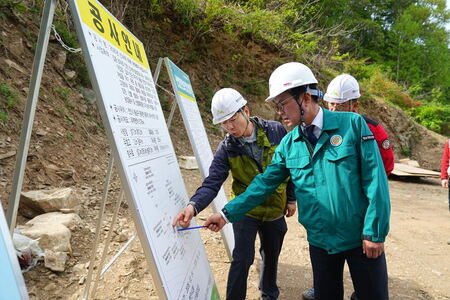
▲ 국립백두대간수목원 가든하이킹 장면 © 한국수목원정원관리원 제공 |
국립백두대간수목원과 국립세종수목원이 대한민국을 대표하는 공공 관광자산으로 확고히 자리 잡고 있다. 산림청 산하 한국수목원정원관리원에 따르면, 지난해 12월 말 기준 두 수목원의 누적 관람객 수는 610만 명을 넘어섰다. 자연 보전이라는 본래의 기능에 더해, 교육·관광·지역경제를 아우르는 복합 거점으로 진화하고 있다는 평가가 나온다.
국립백두대간수목원은 개원 초기인 2018년 21만 명 수준이던 관람객 수가 꾸준히 증가해, 지난해에는 34만 명을 기록했다. 이는 수목원이 위치한 봉화군의 정주 인구를 크게 웃도는 수치로, 지역 외 방문 수요가 안정적으로 정착 단계에 들어섰음을 보여준다. 생태 전시와 계절별 프로그램이 결합되면서 ‘머무는 관광지’로서의 성격이 강화됐다는 분석이 가능하다.
국립세종수목원의 성장세는 더욱 두드러진다. 2020년 개원 이후 관람객 기반을 빠르게 확장해 지난해에는 연간 100만 명 유치에 성공했다. 특히 2023~2024년에 이어 2025~2026년까지 연속으로 한국관광공사의 ‘한국관광 100선’에 선정되며, 수도권과 충청권을 잇는 대표적인 도심형 수목원으로 자리매김했다. 접근성과 전시 완성도가 맞물린 결과로 해석된다.
자생식물 보전과 활용의 성과도 눈에 띈다. 김창열 원장이 산림청에 기증한 국립한국자생식물원은 시설 개선을 거쳐 2024년 재개원했다. 지난해에는 꽃창포 약 2만 본으로 조성한 ‘비안의 언덕’과 플리마켓 등 체험형 행사가 더해지며 관람객의 체류 시간을 늘리는 데 기여했다. 단순 관람을 넘어 참여와 소비로 이어지는 구조를 만들었다는 점에서 의미가 있다.
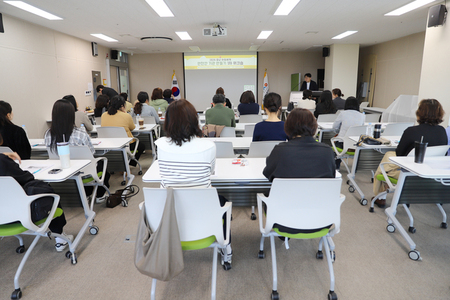
 ▲ 국립세종수목원 문화공연 진행 장면 © 한국수목원정원관리원 제공 |
관람객 증가의 배경으로는 지역 상생 전략이 핵심 요인으로 꼽힌다. 관리원은 2019년부터 자생식물을 지역 임·농가로부터 공급받는 위탁·계약재배 사업을 지속해 왔다. 지난해에는 봉화 46곳, 세종 52곳 등 총 98개 농가가 참여해 약 89만 본의 자생식물을 생산했고, 이를 통해 약 21억 원의 농가 소득이 창출됐다. 수목원 운영이 지역경제의 실질적 순환 고리로 작동하고 있다는 점을 보여주는 대목이다.
문화·관광 프로그램 역시 상생 효과를 키웠다. 국립백두대간수목원은 자생식물을 주제로 한 지역 축제 ‘봉자 페스티벌’을 통해 약 8만 8천 명의 관람객을 유치했으며, 지역 예술인과 외식업체가 참여한 플리마켓으로 3억 9천만 원 규모의 추가 소득을 만들어냈다. 이는 공공 문화시설이 지역 산업과 결합할 때 발생하는 파급효과를 단적으로 보여준다.
이 같은 흐름은 국가수목원의 역할 변화를 시사한다. 관리원은 2017년 설립 이후 산림생물 보전과 유전자원 관리, 교육 프로그램 개발, 수목원·정원 산업 정보 제공, 산림복원 정책 지원 등을 핵심 과제로 추진해 왔다. 최근에는 기후위기 대응과 치유·휴식 기능까지 포괄하며, 세대와 계층을 아우르는 공공 서비스로 영역을 넓히고 있다.
전문가들은 국가수목원이 단순한 관광 시설을 넘어, 생태 보전과 지역 상생을 동시에 구현하는 공공 인프라로 자리 잡았다고 평가한다. 자연 자원을 보전하면서도 지역 경제와 연결하는 운영 모델은 지속가능 관광의 한 사례로 확장 가능성이 크다. 앞으로 전시·교육 콘텐츠의 질적 고도화와 지역 연계 프로그램의 정교화가 병행된다면, 수목원은 ‘찾아가는 명소’를 넘어 ‘머무르고 배우는 공간’으로서의 위상을 더욱 공고히 할 것으로 보인다.
*아래는 위 기사를 '구글 번역'으로 번역한 영문 기사의 [전문]입니다. '구글번역'은 이해도를 높이기를 위해 노력하고 있습니다. 영문 번역에 오류가 있을 수 있음을 전제로 합니다.<*The following is [the full text] of the English article translated by 'Google Translate'. 'Google Translate' is working hard to improve understanding. It is assumed that there may be errors in the English translation.>
The National Baekdudaegan Arboretum and the National Sejong Arboretum have firmly established themselves as representative public tourism assets in South Korea. According to the Korea Forest Service's Korea Arboretum Garden Management Office, as of the end of December last year, the cumulative number of visitors to the two arboretums exceeded 6.1 million. Beyond their original function of nature conservation, they are evolving into complex hubs encompassing education, tourism, and the local economy.
The National Baekdudaegan Arboretum has seen steady growth in visitors, reaching 340,000 last year, compared to 210,000 in 2018, its initial opening. This figure significantly exceeds the residential population of Bonghwa County, where the arboretum is located, demonstrating the steady establishment of visitor demand from outside the region. The combination of ecological exhibitions and seasonal programs reinforces the arboretum's position as a "stay-at-home" destination.
The growth of the National Sejong Arboretum is even more remarkable. Since its opening in 2020, it has rapidly expanded its visitor base, successfully attracting one million visitors annually last year. Notably, the arboretum was selected as one of the Korea Tourism Organization's "100 Must-Visit Korean Tourist Destinations" for two consecutive years, from 2023 to 2024 and again from 2025 to 2026, establishing itself as a leading urban arboretum connecting the Seoul metropolitan area and the Chungcheong region. This success is attributed to the combination of accessibility and the quality of its exhibitions.
The arboretum's conservation and utilization of native plants is also noteworthy. The National Botanic Garden of Korea, donated by Director Kim Chang-yeol to the Korea Forest Service, reopened in 2024 after facility improvements. Last year, the "Hill of Peace," featuring approximately 20,000 iris plants, and experiential events such as a flea market were added, contributing to increased visitor retention. This is significant in that it creates a structure that goes beyond mere viewing to foster participation and consumption.
The arboretum's local coexistence strategy is cited as a key factor behind the increased visitor numbers. Since 2019, the management has been operating a consignment and contract cultivation business, sourcing native plants from local foresters and farmers. Last year, a total of 98 farms, including 46 in Bonghwa and 52 in Sejong, participated, producing approximately 890,000 native plants, generating approximately 2.1 billion won in farm income. This demonstrates that arboretum operations serve as a tangible cyclical link in the local economy.
Cultural and tourism programs also fostered mutually beneficial effects. The Baekdudaegan National Arboretum hosted the "Bongja Festival," a local festival themed around native plants, attracting approximately 88,000 visitors. A flea market featuring local artists and restaurants generated an additional 390 million won in revenue. This clearly demonstrates the ripple effect that occurs when public cultural facilities collaborate with local industries.
This trend signals a shift in the role of the National Arboretum. Since its establishment in 2017, the Arboretum has focused on forest biodiversity conservation, genetic resource management, educational program development, information provision for the arboretum and garden industry, and forest restoration policy support. Recently, it has expanded its scope to encompass climate crisis response, healing, and relaxation, and has become a public service that encompasses all generations and social classes.
Experts assess that national arboretums have become more than mere tourist facilities, but rather public infrastructure that simultaneously promotes ecological conservation and regional coexistence. This operational model, which both preserves natural resources and connects them to the local economy, has great potential for expansion as a model of sustainable tourism. If the qualitative advancement of exhibition and educational content is combined with the refinement of local programs, arboretums will solidify their status beyond mere tourist attractions, becoming spaces for lingering and learning.
원본 기사 보기:브레이크뉴스대전세종충청