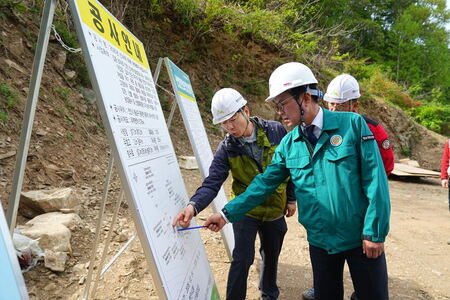
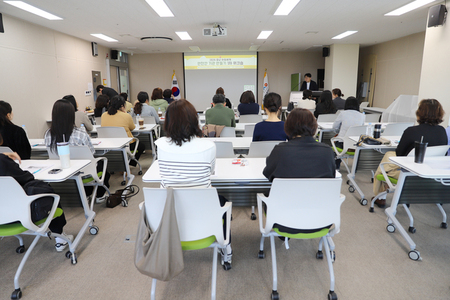
▲ 충남 부여군, 관내 가금농장 방역 활동 모습 © 정지완 기자 |
고병원성 조류인플루엔자(AI)가 전국 곳곳에서 이어지는 가운데, 충남 부여군이 관내 가금농장을 대상으로 한 방역 관리 체계를 한층 강화하고 나섰다. 겨울철 유행 가능성이 높은 시기에 방역 취약 요소를 사전에 차단하겠다는 취지다.
농림축산식품부 집계에 따르면 올해 1월 현재까지 4개 시·도 가금농장에서 모두 8건의 고병원성 AI가 확인됐다. 특히 1월은 과거 발생 통계를 기준으로 12월 다음으로 발생 빈도가 높은 시기로 분류돼, 방역 당국의 긴장 수위도 높아지고 있다.
부여군은 최근 발생 농가를 대상으로 한 역학조사에서 기본 방역 수칙이 제대로 이행되지 않은 사례가 반복적으로 드러난 점에 주목하고 있다. 이에 따라 군은 단순한 사후 대응을 넘어, 농장 운영 전반에 대한 관리 기준을 재정비하는 데 행정력을 집중하고 있다.
우선 가금농장 내 시설 공사나 장비 수리를 위한 외부 차량의 진입을 원칙적으로 제한하고, 불가피한 경우에는 사전 신고와 함께 방역복 착용, 차량 소독 등 필수 방역 절차를 의무화했다. 가족 간 또는 법인 간 인력·장비·도구를 공유하지 않도록 한 행정명령의 이행 여부도 집중 점검 대상에 포함됐다.
백신 접종 인력이나 닭·오리 상하차 작업반 등 다수가 동시에 출입하는 상황 역시 관리 대상이다. 군은 이들 인력의 농장 출입 전 신고 체계를 엄격히 적용하고, 현장 방역 수칙 준수 여부를 상시 확인할 방침이다.
농장 종사자에 대한 내부 관리도 강화된다. 외국인 근로자를 포함한 모든 작업자는 축사 출입 시 방역복 착용과 장화 교체를 철저히 해야 하며, 모임·행사 참석이나 철새도래지 방문을 자제하도록 지속적인 교육이 이뤄진다. 이는 사람과 차량, 물품 이동이 바이러스 확산의 주요 경로로 작용해 왔다는 방역 당국의 누적 분석에 따른 조치다.
부여군은 고병원성 AI가 단일 농가의 피해를 넘어 지역 가금 산업 전반에 구조적 타격을 줄 수 있다는 점을 분명히 인식하고 있다. 실제로 한 차례 발생만으로도 대규모 살처분, 유통 제한, 소비 위축이 연쇄적으로 이어지며 지역 경제에 장기적인 부담을 남긴 사례가 적지 않다.
군은 앞으로도 예찰 활동을 강화하는 한편, 방역 수칙 위반이 확인될 경우 관련 법령에 따라 엄정하게 조치할 방침이다. 방역을 행정의 영역이 아닌 농가 공동의 책임으로 인식하는 전환이 필요하다는 판단에서다.
한편, 방역 관리와 관련한 세부 사항은 부여군청 축수산과 동물방역팀(041-830-3866)을 통해 안내받을 수 있다.
*아래는 위 기사를 '구글 번역'으로 번역한 영문 기사의 [전문]입니다. '구글번역'은 이해도를 높이기를 위해 노력하고 있습니다. 영문 번역에 오류가 있을 수 있음을 전제로 합니다.<*The following is [the full text] of the English article translated by 'Google Translate'. 'Google Translate' is working hard to improve understanding. It is assumed that there may be errors in the English translation.>
As highly pathogenic avian influenza (AI) continues to spread across the country, Buyeo County, South Chungcheong Province, is further strengthening its quarantine management system for poultry farms within its jurisdiction. This is aimed at preemptively blocking vulnerabilities during the winter season, when the risk of an outbreak is high.
According to statistics from the Ministry of Agriculture, Food and Rural Affairs, as of January, a total of eight cases of highly pathogenic avian influenza (HPAI) have been confirmed at poultry farms in four cities and provinces. Based on historical data, January is ranked second only to December in terms of the frequency of outbreaks, raising the level of alertness among quarantine authorities.
Buyeo County has recently highlighted the repeated failure to properly adhere to basic quarantine guidelines in epidemiological investigations of affected farms. Accordingly, the county is focusing its administrative efforts on revising management standards for all farm operations, moving beyond mere post-event response.
First, entry by outside vehicles for construction or equipment repairs into poultry farms will be restricted in principle. In unavoidable cases, prior notification, the use of protective clothing, and vehicle disinfection will be mandatory. Compliance with the administrative order prohibiting the sharing of personnel, equipment, and tools between family members or corporations is also being closely monitored.
Situations involving multiple individuals simultaneously, such as vaccination personnel or chicken and duck loading and unloading crews, are also subject to monitoring. The county plans to strictly enforce a reporting system for these personnel before entering farms and continuously monitor compliance with on-site quarantine guidelines.
Internal management of farm workers will also be strengthened. All workers, including foreign workers, will be required to wear protective clothing and change boots before entering livestock sheds. Ongoing training will also be provided to refrain from attending gatherings, events, and visiting migratory bird sanctuaries. This measure is based on a cumulative analysis by quarantine authorities that the movement of people, vehicles, and goods has been a major conduit for the spread of the virus.
Buyeo County is fully aware that highly pathogenic avian influenza (HPAI) can cause structural damage to the entire local poultry industry beyond the impact on individual farms. Indeed, a single outbreak has often resulted in a chain reaction of mass culling, distribution restrictions, and reduced consumption, leaving a long-term burden on the local economy.
The county plans to continue strengthening surveillance activities and take strict action in accordance with relevant laws and regulations if any violations of quarantine rules are confirmed. This is because it believes that quarantine needs to shift from being an administrative responsibility to a shared responsibility for farmers.
Meanwhile, detailed information regarding quarantine management can be obtained from the Animal Quarantine Team of the Livestock and Fisheries Division of Buyeo County Office (041-830-3866).
원본 기사 보기:브레이크뉴스대전세종충청