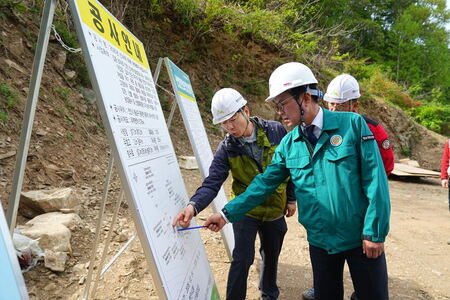
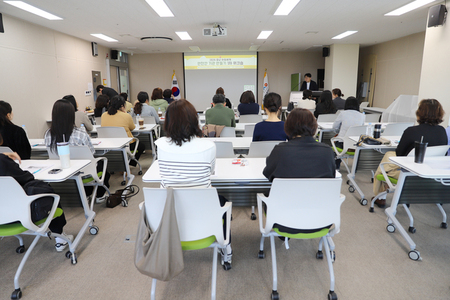
▲ 충남도, '재해복구사업 조기 추진 대책 회의' 진행 모습 © 충청남도 제공 |
충청남도가 여름철 우기와 국지성 집중호우에 선제적으로 대응하기 위해 도내 재해복구사업 전반의 추진 속도를 끌어올리는 종합 대책을 가동했다. 단순한 공정 관리 차원을 넘어 행정·기술·제도적 수단을 총동원해 복구 공정을 구조적으로 앞당기겠다는 전략이다.
도는 23일 도청 대회의실에서 안전기획관 주재로 관련 부서와 시·군 담당 과장들이 참석한 가운데 재해복구사업 조기 추진 대책회의를 열고, 사업 추진 현황 점검과 공정 가속화를 위한 실행 방안을 집중 논의했다. 회의는 우기 이전 핵심 공정 확보를 목표로 실무 중심의 점검 체계와 현장 대응 전략을 구체화하는 데 초점을 맞췄다.
현재 도가 추진 중인 2022~2025년 재해복구사업은 총 7475지구에 달하며, 이 가운데 약 69% 수준인 5167지구가 복구를 완료했다. 나머지 2308지구는 공사 진행 단계이거나 발주 절차에 머물러 있는 상태로, 우기 이전 공정 관리가 핵심 과제로 떠오른 상황이다.
도는 사업 규모별로 이원화 전략을 적용한다. 소규모 사업장은 우기 시작 전 전면 준공을 목표로 공정 압축에 나서고, 중·대규모 사업장은 교량 하부, 제방, 구조물 기초부 등 재해 취약 구간의 핵심 공정을 우선 완료하는 방식으로 피해 재발 가능성을 구조적으로 차단한다는 방침이다. 이는 단순한 일정 단축이 아닌 위험 구간 중심의 선택적 선공정 관리 전략에 해당한다.
행정 절차 측면에서도 제도적 가속 장치를 적극 활용한다. 분할계약, 설계 경제성 검토(VE) 제외, 건설기술심의 생략 등 관련 법령이 허용하는 신속 추진 제도를 병행 적용해 착공·준공 시기를 최대한 앞당길 계획이다. 이는 행정 리드타임 단축과 현장 투입 시점 조기화를 동시에 달성하기 위한 구조적 접근이다.
이러한 방식은 재해복구사업을 ‘사후 복구’ 중심에서 ‘사전 위험관리형 인프라 구축’으로 전환하는 흐름과 맞닿아 있다. 특히 우기 전 핵심 구조물 공정 선확보 전략은 집중호우 시 토사 유출, 제방 붕괴, 교량 기초 세굴 등 연쇄 피해를 차단하는 예방적 효과가 크다. 재해 복구를 단순 복원 개념이 아닌 ‘재난 재발 방지 인프라 구축’으로 재정의하는 정책 구조라는 점에서 의미가 있다.
충남도는 향후 미준공 사업장을 중심으로 현장 점검과 공정 관리, 시·군 협업 체계를 강화하고, 공사 품질 관리와 안전관리 감독을 병행해 단기 성과 중심의 무리한 공정 압축이 아닌 구조적 안전성 확보를 병행한다는 원칙을 유지할 계획이다.
*아래는 위 기사를 '구글 번역'으로 번역한 영문 기사의 [전문]입니다. '구글번역'은 이해도를 높이기를 위해 노력하고 있습니다. 영문 번역에 오류가 있을 수 있음을 전제로 합니다.<*The following is [the full text] of the English article translated by 'Google Translate'. 'Google Translate' is working hard to improve understanding. It is assumed that there may be errors in the English translation.>
South Chungcheong Province has launched a comprehensive plan to accelerate the progress of disaster recovery projects across the province to proactively respond to the summer monsoon season and localized heavy rainfall. This strategy goes beyond simple project management and utilizes all administrative, technical, and institutional tools to structurally accelerate the recovery process.
On the 23rd, the province held a meeting in the conference room of the provincial government office chaired by the Director of Safety Planning, with relevant departments and city and county officials in attendance. The meeting focused on reviewing the progress of project progress and discussing implementation measures to accelerate progress. The meeting focused on establishing a practical inspection system and on-site response strategies, with the goal of securing key projects before the monsoon season.
Currently, the province's disaster recovery projects for 2022-2025 cover a total of 7,475 districts, of which 5,167 districts, or approximately 69%, have completed recovery. The remaining 2308 districts are either in the construction phase or in the procurement process, making pre-rainy season construction management a key challenge.
The province is implementing a dual strategy based on project size. Small-scale projects will focus on compressing their schedules with the goal of full completion before the onset of the rainy season. Medium- and large-scale projects will prioritize completing critical construction in disaster-prone areas, such as bridge bases, embankments, and structure foundations, to structurally prevent the possibility of recurrence. This strategy is not simply a shortened schedule; it represents a selective, priority-based management strategy focused on risky areas.
Institutional accelerators will also be actively utilized in administrative procedures. The province plans to expedite construction and completion as much as possible by applying expedited systems permitted by relevant laws, such as split contracts, exclusion of design economic feasibility studies (VE), and omitting construction technology reviews. This structural approach aims to simultaneously reduce administrative lead times and accelerate on-site deployment.
This approach aligns with the shift in disaster recovery projects from a "post-disaster recovery" focus to a "preemptive risk management infrastructure." In particular, the strategy of securing key structure construction work ahead of the rainy season has a significant preventative effect, preventing cascading damage such as soil runoff, embankment collapse, and bridge foundation scouring during heavy rains. This policy framework is significant in that it redefines disaster recovery from a simple restoration concept to "building infrastructure to prevent recurrence of disasters."
South Chungcheong Province plans to strengthen on-site inspections, process management, and city/county collaboration, focusing on unfinished projects. Furthermore, it will maintain the principle of ensuring structural safety, rather than excessively compressing the schedule for short-term results.
원본 기사 보기:브레이크뉴스대전세종충청